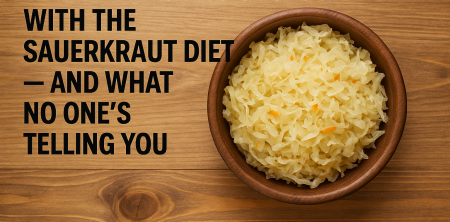
You can't scroll through social media or pick up a health magazine these days without hearing about the latest diet craze. But every so often, one truly takes off, catching the attention of everyone from Hollywood stars to politicians. Right now, that spotlight is firmly on the sauerkraut diet. It’s an eating plan that’s gone absolutely viral, generating a whirlwind of discussion and, frankly, a good deal of skepticism. Why the sudden obsession with a humble fermented cabbage dish?
Much of the buzz ignited after high-profile figures, including Vice President JD Vance and Health Secretary Robert F. Kennedy Jr., publicly embraced this fermented-food-centric approach. When someone like Kennedy Jr. claims to have dropped a staggering 20 pounds in just 30 days, it’s bound to grab headlines and send people scrambling for more information. Suddenly, everyone’s wondering: is this the magic bullet for weight loss and better health we’ve all been searching for? Or is it just another fad, destined to fade as quickly as it appeared?
The core idea behind the sauerkraut diet, as championed by Dr. Sean O’Mara, is straightforward enough: focus heavily on fermented foods like sauerkraut, pair them with lean, grass-fed meats, and rigorously eliminate alcohol, sugar, and processed foods. On the surface, it sounds like a sensible, clean-eating strategy. But the devil, as always, is in the details, and the dramatic weight loss claims have sparked an intense debate among nutritionists, dietitians, and the general public. Let's dig into what’s really going on with this diet, separate the hype from the reality, and figure out if it truly lives up to its skyrocketing reputation.
The Rise of the Sauerkraut Diet: From Niche to National Sensation
Fermented foods have been a cornerstone of human diets for thousands of years, long before we understood the intricate science behind them. From kimchi to kombucha, yogurt to sourdough, these foods were traditionally prized for their preservation qualities and unique flavors. But in the modern Western diet, largely dominated by processed and pasteurized products, fermentation became something of a niche interest, confined mostly to health food stores and artisanal markets. That is, until recently.
The resurgence of interest in gut health has catapulted fermented foods back into the mainstream, and sauerkraut, with its humble origins and powerful probiotic punch, has emerged as a star player. The sauerkraut diet didn't just quietly gain traction; it exploded onto the scene, largely fueled by celebrity endorsements. When public figures, especially those in positions of influence, share their personal health journeys, it creates a ripple effect. The article published in Men's Fitness on July 23, 2026, certainly played a significant role in amplifying this trend, detailing the specifics of the diet and the experiences of its high-profile adherents.
What makes this particular diet so compelling, beyond the endorsements, is the promise it carries: rapid weight loss and targeted fat reduction, specifically visceral fat. Visceral fat, the kind that wraps around your organs deep inside your abdomen, is notoriously stubborn and is linked to a higher risk of serious health issues like heart disease and type 2 diabetes. The idea that a simple dietary shift, centered around something as accessible as sauerkraut, could tackle this deep-seated health concern is incredibly appealing. It taps into a universal desire for effective, relatively simple solutions to complex health problems, making the sauerkraut diet a truly hot topic.
Dr. Sean O'Mara and the Visceral Fat Connection
At the heart of the sauerkraut diet's specific claims is Dr. Sean O'Mara, a physician who has been a vocal proponent of this eating plan. Dr. O'Mara's focus isn't just on general weight loss; he specifically targets visceral fat reduction. He argues that chronic inflammation and an unhealthy gut microbiome are significant contributors to the accumulation of this dangerous type of fat. His approach, therefore, aims to combat these underlying issues through dietary intervention.
Dr. O'Mara's methodology emphasizes a strict regimen: copious amounts of fermented foods, primarily sauerkraut, alongside a diet rich in grass-fed meats. The logic is that the beneficial bacteria (probiotics) in fermented foods help rebalance the gut microbiome, which in turn can reduce inflammation throughout the body. Grass-fed meats are chosen for their higher omega-3 fatty acid content and lower levels of inflammatory compounds compared to conventionally raised meats. This combination, in his view, creates an environment conducive to shedding visceral fat and improving overall metabolic health. (See: benefits of fermented foods.)
It’s important to understand that while the general principles of reducing inflammation and improving gut health are widely accepted in the scientific community, the specific claims about the sauerkraut diet's targeted efficacy against visceral fat are what make it distinctive and, for some, controversial. Many health professionals agree that a diet rich in whole, unprocessed foods and beneficial bacteria is good for you, but attributing dramatic, rapid results specifically to sauerkraut in this context is where the debate often arises. Still, Dr. O'Mara's influence has been pivotal in shaping the narrative around this diet, giving it a scientific-sounding framework that resonates with many seeking health solutions.
The Robert F. Kennedy Jr. Effect: 20 Pounds in 30 Days?
Perhaps no single anecdote has fueled the fervor around the sauerkraut diet more than Robert F. Kennedy Jr.'s personal testimonial. His claim of losing 20 pounds in a mere 30 days is nothing short of astonishing and has undoubtedly served as a powerful catalyst for the diet's viral spread. In a world constantly seeking quick fixes and dramatic transformations, such a statement acts like a siren song, drawing in countless individuals eager to replicate his success.
Kennedy Jr.'s public declaration provided a tangible, relatable example of the diet's potential. For many, seeing a public figure achieve such rapid weight loss lends an air of credibility and aspirational appeal. It makes people think, 'If he can do it, maybe I can too!' This kind of anecdotal evidence, while compelling, often bypasses the need for rigorous scientific scrutiny in the public's mind. It's the kind of story that spreads like wildfire through social media, personal conversations, and news outlets, overshadowing more nuanced discussions about sustainable weight loss and dietary science.
However, it's crucial to approach such dramatic claims with a healthy dose of skepticism. While Kennedy Jr.'s experience might be entirely genuine for him, individual results can vary wildly. A 20-pound weight loss in a month is significant and typically involves a substantial caloric deficit, often accompanied by other lifestyle changes. Was it solely the sauerkraut, or was it the complete overhaul of his diet, the elimination of unhealthy foods, and perhaps an increase in physical activity that truly drove such impressive results? This is the central question that dietitians and health experts grapple with when evaluating the sauerkraut diet.
Beyond the Hype: What Does Sauerkraut Actually Offer?
Let's be clear: sauerkraut itself is a nutritional powerhouse. Setting aside the hype of the specific sauerkraut diet, the fermented cabbage brings a lot to the table. It's made through a process called lacto-fermentation, where beneficial bacteria convert sugars in the cabbage into lactic acid. This process not only preserves the cabbage but also enhances its nutritional profile and creates a host of health benefits.
Here’s what makes sauerkraut so good for you:
- Probiotics: This is arguably sauerkraut's biggest claim to fame. It's teeming with live beneficial bacteria (probiotics), which are crucial for a healthy gut microbiome. A balanced gut can aid digestion, boost immunity, and may even influence mood and mental health.
- Fiber: Sauerkraut is essentially fermented cabbage, which means it retains all the dietary fiber of its raw form. Fiber is essential for digestive health, promoting regularity, and contributing to feelings of fullness, which can be helpful for weight management.
- Vitamin C: Cabbage, and consequently sauerkraut, is an excellent source of Vitamin C. This powerful antioxidant is vital for immune function, skin health, and collagen production. Historically, sauerkraut was even used by sailors to prevent scurvy on long voyages.
- Vitamin K2: Fermentation can enhance the production of Vitamin K2, a nutrient important for bone health and cardiovascular health.
- Antioxidants: Like many vegetables, cabbage contains various antioxidants that help protect your cells from damage caused by free radicals.
So, while the specific diet might be controversial, the nutritional value of sauerkraut itself is undeniable. Incorporating it into your diet, regardless of whether you follow the strict sauerkraut diet regimen, is a smart move for anyone looking to boost their gut health and nutrient intake. The key is to choose unpasteurized, traditionally fermented sauerkraut, as pasteurization kills off the beneficial live bacteria.
The Dietitian's Perspective: More Than Just Sauerkraut
This is where the rubber meets the road, and where the enthusiasm often meets a dose of reality. While the nutritional benefits of sauerkraut are well-established, many dietitians and health professionals caution against attributing the dramatic weight loss claims of the sauerkraut diet solely to the fermented cabbage itself. Their consensus points to a more holistic explanation: the significant weight loss observed by adherents is likely a direct result of the comprehensive elimination of unhealthy foods, rather than a magical property of sauerkraut. (See: CDC on nutrition and health.)
Think about it: the diet strictly cuts out alcohol, sugar, and processed foods. These three categories represent a massive chunk of the typical Western diet and are notorious contributors to weight gain, inflammation, and poor health. When you remove these calorie-dense, nutrient-poor items from your daily intake, you're almost guaranteed to reduce your overall caloric consumption and improve your nutritional quality. Alcohol provides empty calories; sugar leads to blood sugar spikes and crashes; and processed foods are often high in unhealthy fats, sodium, and artificial ingredients. Eliminating them creates a substantial caloric deficit and forces a return to whole, nutrient-dense foods.
As one dietitian might put it, “If you replace your daily soda and sugary snacks with water and a handful of almonds, you’ll lose weight, even if you don't touch a single spoonful of sauerkraut.” The sauerkraut, in this context, becomes a highly beneficial addition, but perhaps not the primary driver of the initial rapid weight loss. It's more likely a synergistic effect, where the gut-healing properties of sauerkraut support the body as it detoxes from inflammatory, unhealthy foods. This perspective is crucial for anyone considering the diet, as it reframes the expectations and highlights the importance of the broader dietary changes.
The Emotional and Controversial Landscape of Dieting
Dieting is rarely a purely scientific endeavor; it's deeply intertwined with emotions, personal experiences, and cultural narratives. The sauerkraut diet, like many others that gain viral traction, has become an emotionally charged subject. On one side, you have individuals who have experienced transformative results, feeling empowered and healthier, eager to share their success stories. Their testimonials are powerful and often resonate deeply with others struggling with their weight or health issues.
On the other side, you have the skeptical voices: dietitians, doctors, and scientists who advocate for evidence-based approaches and sustainable lifestyle changes. They worry about the potential for restrictive diets to lead to nutrient deficiencies, unhealthy relationships with food, or a cycle of yo-yo dieting. Their caution often comes across as dampening enthusiasm, which can be frustrating for those who feel they've found a solution.
This emotional divide creates a fertile ground for controversy. When a public figure makes a bold claim about rapid weight loss, it ignites a firestorm of debate. Is it responsible to promote such a diet without robust scientific backing? Are the long-term implications considered? These questions highlight the tension between personal experience and scientific rigor. It's a classic struggle in the health and wellness space, where individual anecdotes often carry more weight in the public imagination than peer-reviewed studies. Understanding this emotional landscape is key to appreciating why the sauerkraut diet has become such a hot-button issue.
Is the Sauerkraut Diet Sustainable for the Long Term?
For any diet to be truly successful, it needs to be sustainable over the long haul. Rapid weight loss, while motivating, isn't always indicative of a healthy or maintainable eating pattern. So, the critical question for the sauerkraut diet is: can people stick to it, and is it balanced enough to provide all necessary nutrients for sustained health?
The diet's emphasis on whole, unprocessed foods and the elimination of sugar and alcohol is undeniably beneficial. These are changes that most health professionals would endorse for anyone seeking to improve their overall well-being. However, the specificity and potential restrictiveness of focusing so heavily on just a few food categories, even beneficial ones like sauerkraut and grass-fed meat, could pose challenges for some individuals.
For example, while grass-fed meat is excellent, a truly balanced diet includes a wide variety of plant-based proteins, legumes, nuts, seeds, and diverse vegetables and fruits. If the diet becomes too narrow, there's a risk of missing out on a broader spectrum of vitamins, minerals, and phytonutrients. Furthermore, the long-term adherence to any highly restrictive diet can be difficult psychologically, potentially leading to feelings of deprivation or eventual rebound eating. Sustainability often comes down to flexibility and adaptability within a healthy framework, rather than rigid adherence to a very specific set of foods. (See: WHO healthy diet guidelines.)
Practical Tips for Incorporating Fermented Foods (Without Going Full Sauerkraut Diet)
Even if you're not ready to jump headfirst into the full sauerkraut diet, there's tremendous value in incorporating more fermented foods into your daily routine. Here are some practical, sustainable ways to enjoy the benefits without the strictures:
- Start Small: You don't need to eat a cup of sauerkraut with every meal. Begin with a tablespoon or two as a side dish, perhaps with a salad or alongside your main protein. Your gut microbiome needs time to adjust, so a gradual introduction can prevent digestive discomfort.
- Choose Quality: Always opt for unpasteurized, raw sauerkraut found in the refrigerated section of your grocery store or health food store. Pasteurization kills the beneficial bacteria, negating the probiotic benefits. Read labels carefully; ingredients should ideally be just cabbage, salt, and sometimes spices.
- Variety is Key: Don't limit yourself to just sauerkraut! Explore other fermented foods like kimchi (spicy Korean fermented cabbage), kefir (fermented dairy or water-based drink), kombucha (fermented tea), tempeh (fermented soybeans), and even traditional pickles (ensure they are lacto-fermented, not just vinegar-brined). Each offers a different array of beneficial bacteria and nutrients.
- Incorporate into Meals: Sauerkraut isn't just for hot dogs! Add it to sandwiches, wraps, salads, or as a tangy topping for roasted vegetables or grain bowls. Kimchi is fantastic in stir-fries or alongside eggs. Kefir can be a base for smoothies.
- Listen to Your Body: Pay attention to how your body responds. While fermented foods are generally well-tolerated, some individuals might experience initial bloating or gas as their gut adjusts. If you have specific digestive conditions, it's always wise to consult with a healthcare professional before making significant dietary changes.
By taking a balanced, inclusive approach, you can reap the significant rewards of fermented foods for your gut health, without feeling pressured to adhere to a potentially overly restrictive diet. It’s about enhancing your existing healthy eating habits, not replacing them entirely with a single ingredient.
The Bottom Line: A Sensible Approach to Gut Health and Weight Management
The viral sensation surrounding the sauerkraut diet is a fascinating case study in how public figures and compelling anecdotes can drive dietary trends. While the claims of rapid, targeted weight loss are undeniably attention-grabbing, it's crucial to approach them with a discerning eye. Sauerkraut, brimming with probiotics, fiber, and vitamin C, is an excellent addition to almost any diet, offering genuine benefits for gut health and overall well-being.
However, the dramatic weight loss attributed to the sauerkraut diet is most likely a synergistic effect, largely driven by the elimination of highly detrimental foods like alcohol, sugar, and processed items. This fundamental shift towards whole, nutrient-dense eating is the true engine behind significant health improvements and weight reduction, with sauerkraut acting as a powerful, supportive co-pilot for gut health.
Rather than viewing the sauerkraut diet as a magic bullet, it's more productive to see it as a reminder of the power of clean eating and the profound impact of a healthy gut. Embrace fermented foods, prioritize whole ingredients, and minimize processed junk. That’s a recipe for success that stands the test of time, far beyond any fleeting viral trend. There's a fuller look at top veggies for gut health.
Trending Now
Frequently Asked Questions
What is the sauerkraut diet?
The sauerkraut diet focuses on incorporating fermented foods like sauerkraut into your meals while pairing them with lean, grass-fed meats. It emphasizes eliminating alcohol, sugar, and processed foods to promote better health and weight loss.
Why is the sauerkraut diet gaining popularity?
The sauerkraut diet has gained popularity due to endorsements from high-profile figures like Vice President JD Vance and Health Secretary Robert F. Kennedy Jr., who have reported significant weight loss. This visibility has sparked widespread interest and debate about its effectiveness.
Does the sauerkraut diet really help with weight loss?
Proponents claim the sauerkraut diet can lead to substantial weight loss, with some individuals reporting losses of up to 20 pounds in a month. However, nutritionists urge caution, emphasizing the need for a balanced, sustainable approach rather than quick fixes.
What are the benefits of fermented foods in the diet?
Fermented foods like sauerkraut are rich in probiotics, which can aid digestion and improve gut health. They also provide essential nutrients and may contribute to overall wellness, making them a valuable addition to a balanced diet.
Is the sauerkraut diet a fad or a sustainable eating plan?
While the sauerkraut diet has gained attention as a trend, its long-term sustainability is debated. Nutritionists suggest that while incorporating fermented foods can be beneficial, a well-rounded diet is crucial for lasting health and weight management.
Agree or disagree? Drop a comment and tell us what you think.

