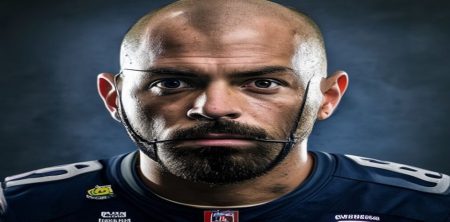
The sports world is abuzz, and not for the usual reasons of thrilling plays or championship dreams. Instead, a recent decision to clear a high-profile NFL quarterback to play, just two short weeks after a severe concussion, has thrown a harsh spotlight on the very foundation of player safety. This isn't just about one player or one game; it's a visceral, emotionally charged debate that cuts to the core of competitive pressure versus human welfare. The speed of this athlete's return has left many observers, from medical professionals to former players, shaking their heads in disbelief, and it's prompted the Players' Association to demand an immediate, independent review of the league's concussion protocols. You have to wonder: what exactly are we prioritizing here?
This controversy has sparked a truly viral discussion across social media, drawing in everyone from casual fans to neurosurgeons. It's a stark reminder that while we celebrate the athleticism and grit of these gladiators, there’s a darker side to the game – one where the long-term health of athletes can sometimes feel secondary to the immediate demands of competition. The implications for long-term neurological damage are terrifyingly real, and the pressure on players to get back on the field, even when their brains haven't fully healed, is immense. It's a situation that begs for a deeper look into how these critical decisions are made and whether our current concussion protocols are truly safeguarding the people who entertain us every Sunday.
1. The Quarterback's Shocking Return: A Timeline of Concern
Let's start with the immediate catalyst: a star NFL quarterback, the face of his franchise, suffering what was widely described as a severe concussion just a fortnight ago. We're talking about an injury that, in many medical opinions, should necessitate a far longer recovery period. Yet, here we are, facing the prospect of him stepping back onto the field for a crucial upcoming game. This isn't a minor bump; it was a hit that left him visibly disoriented, a sight no fan ever wants to see.
The speed of his return has been nothing short of astonishing. Many expected him to be sidelined for at least a month, if not longer, given the severity of the initial impact and the delicate nature of brain injuries. The decision to clear him, therefore, raises serious questions about the efficacy and integrity of the league’s existing concussion protocols. What exactly transpired in those two weeks? Were all the necessary steps followed, or were there external pressures at play that expedited his clearance?
2. Medical Experts Sound the Alarm: Beyond the Sideline Assessment
The chorus of concern from medical experts has been deafening. Neurologists, sports medicine specialists, and brain injury researchers have all weighed in, almost universally expressing dismay at the swift clearance. Their primary worry isn't just about the immediate risk of a second impact syndrome, a potentially catastrophic outcome, but also the cumulative effect of repeated head trauma and the heightened vulnerability of a brain that hasn't fully recovered from a previous concussion.
These experts emphasize that concussion recovery isn't a linear process, nor is it something that can be rushed. The brain needs time to heal metabolically and functionally, often long after a player might feel symptom-free. Dr. Robert Cantu, a renowned concussion expert, has long championed conservative approaches, stressing that returning too early significantly increases the risk of more severe, long-term issues. The current situation feels like a direct contradiction to decades of accumulated medical understanding regarding brain health in contact sports.
3. Former Players Speak Out: The Haunting Specter of CTE
For many former NFL players, this controversy hits particularly close to home. They’ve lived the brutal reality of the game, often playing through concussions and other injuries due to competitive drive and the pressure to perform. Their voices, often tinged with regret and the knowledge of their own declining cognitive health, add a powerful, visceral layer to the debate.
The specter of Chronic Traumatic Encephalopathy (CTE), the degenerative brain disease linked to repeated head trauma, looms large over every discussion about player safety. Former players like Chris Borland, who famously retired early from the NFL due to concussion concerns, are often cited. They understand the immense pressure from coaches, teammates, and even themselves to get back on the field, but they also bear the scars – both visible and invisible – of a career spent absorbing hits. Their experiences serve as a stark warning about the long-term consequences of inadequate concussion protocols.
4. The Players' Association Demands Answers: A Call for Independent Review
Unsurprisingly, the NFL Players' Association (NFLPA) has not stood idly by. They've reacted swiftly and decisively, demanding an immediate, independent review of the league's concussion protocols. This isn't just a polite request; it's a forceful assertion of their role in protecting their members' well-being. The NFLPA understands that if a star quarterback can be rushed back, what message does that send to every other player, particularly those without the same public profile?
Their demand for an independent review is crucial because it seeks to remove any potential bias or conflict of interest that might exist within the league's internal medical structures. It’s about ensuring that player safety is genuinely prioritized above competitive interests or financial considerations. This move signals a significant escalation in the ongoing battle to ensure that the health of the athletes remains paramount, even in the high-stakes world of professional football. (See: CDC Head's Up Concussion Initiative.)
5. Competitive Pressure vs. Player Welfare: A Perennial Tug-of-War
This controversy perfectly encapsulates the inherent tension between competitive pressure and player welfare that has always existed in professional sports, particularly in a sport as violent as football. On one side, you have the immense pressure to win, the financial incentives, and the short window of opportunity for an athlete's career. Coaches need their best players on the field, owners want to see their investments performing, and fans crave victory.
On the other side, you have the undeniable human cost. The brain isn't a knee or a shoulder; it's the control center for everything we are. Rushing a player back from a concussion isn't just a gamble with their current season; it's a gamble with their entire future, their quality of life post-football, and their ability to be present for their families. Finding a truly equitable balance between these two powerful forces remains one of the most significant challenges facing professional sports today, and this current situation highlights just how precariously that balance is often maintained.
6. The League's Concussion Protocols: Are They Enough?
The NFL has made significant strides in recent years to improve its concussion protocols. They've introduced spotters in the booth, independent neurological consultants (UNCs) on the sideline, and a multi-step return-to-play process. These changes were largely a response to past criticisms and growing scientific understanding. But are they enough? This recent incident suggests that perhaps they are not, or at least, that their implementation might be flawed.
The protocol typically involves several stages, beginning with rest and progressing through light aerobic exercise, moderate exercise, non-contact drills, full contact practice, and finally, full clearance. Each stage requires a player to be symptom-free. The question now becomes: was this process rigorously adhered to in this specific case? And if it was, does the protocol itself need to be re-evaluated to ensure it truly accounts for the complex and often unpredictable nature of brain injury recovery, especially when facing a high-profile, high-stakes situation?
7. The Long-Term Ramifications: More Than Just the Game
The stakes here extend far beyond the outcome of a single football game. The long-term ramifications of repeated head injuries, particularly those sustained before full recovery, are well-documented. We're talking about increased risks of depression, anxiety, memory loss, cognitive decline, and neurodegenerative diseases like CTE. These aren't abstract concepts; they are the devastating realities faced by far too many former athletes.
When a player is cleared to return quickly after a severe concussion, it sends a disturbing message, not just to other professional athletes, but to amateur athletes at all levels. It can inadvertently normalize the idea of playing through head injuries, an incredibly dangerous precedent. We need to remember that these athletes are human beings first, and their health and well-being should always take precedence over the fleeting thrill of victory. The current debate around concussion protocols isn't just about protecting a player's career; it's about protecting their life.
8. Social Media's Role: Amplifying the Outcry
In today's interconnected world, social media plays a monumental role in shaping public discourse, and this controversy is a prime example. From the moment the news broke, Twitter, Instagram, and Facebook lit up with outrage, concern, and impassioned pleas for player safety. Doctors, journalists, fans, and even other athletes weighed in, creating a powerful echo chamber that amplified the concerns of medical experts and former players.
This widespread social media engagement isn't just noise; it’s a powerful force for accountability. It puts immense pressure on the league and the team to explain their decisions and to potentially reconsider their stance. In a way, it acts as a collective conscience, ensuring that these critical issues don't simply get swept under the rug. The viral nature of this story is a clear indication that the public is increasingly unwilling to tolerate what they perceive as compromises on player safety.
9. Financial Implications and Insurance: The Unseen Costs
While the immediate focus is on player health, there's a significant financial undercurrent to this entire debate. The long-term medical care for athletes suffering from chronic neurological issues can be astronomically expensive. This has led to a growing interest in specialized insurance products, such as best sports concussion insurance and athlete disability insurance quotes.
Insurance companies and healthcare providers are keenly watching these developments because they bear a substantial portion of the financial burden for long-term care. Moreover, the reputation of a league that appears to be lax on safety can have broader implications, potentially affecting sponsorships, fan engagement, and even the legal landscape surrounding player care. This isn't just a moral imperative; it's also a significant economic one, with searches for "long-term effects of repeated head injuries" and "sports rehabilitation clinics reviews" indicating a public and industry-wide concern about these unseen costs. We covered NFL and childhood health in more detail.
10. Moving Forward: What Needs to Change in Concussion Protocols?
So, what can we realistically expect to happen? The NFLPA's demand for an independent review of concussion protocols is a crucial first step. This review needs to be transparent, thorough, and genuinely independent, with the power to recommend concrete changes. It might involve stricter return-to-play guidelines, longer mandatory recovery periods, or even a re-evaluation of who makes the final call on clearance. (See: AP News on Concussion Controversies.)
Ultimately, the goal must be to create a system where the default position is always player safety, not competitive expediency. This means empowering independent medical professionals to make decisions without undue influence from coaches, general managers, or even the players themselves. It means fostering a culture where players feel comfortable reporting symptoms without fear of losing their spot or being seen as weak. This current controversy, while disturbing, offers a critical opportunity to push for truly meaningful, lasting change in how we protect the brains of the athletes we admire.
11. Understanding Concussion Severity: It's Not One-Size-Fits-All
It’s important to remember that not all concussions are created equal, though all warrant serious attention. Medical professionals often categorize concussions based on their severity, which can influence recovery timelines. A mild concussion, sometimes referred to as a "ding," might involve transient symptoms like momentary confusion or dizziness. Moderate concussions typically present with more pronounced and longer-lasting symptoms, such as persistent headaches, nausea, sensitivity to light/sound, and cognitive fogginess. Severe concussions, like the one that sparked this debate, can involve loss of consciousness, prolonged disorientation, and significant neurological deficits.
The challenge, however, is that symptoms don't always correlate perfectly with the underlying brain injury. Someone might appear to recover quickly symptomatically but still have metabolic dysfunction at a cellular level that makes their brain highly vulnerable to a second impact. This is why the "return to play" protocols emphasize a gradual, symptom-free progression, and why rushing any stage, especially after a severe initial injury, is so risky. We can't just rely on a player saying they feel okay; objective measures and ample time are critical.
12. The Role of Technology: Are We Doing Enough with Data?
In an age of advanced analytics and wearable tech, there's a growing discussion about how technology can better inform concussion protocols. Helmet sensors, for instance, can measure impact forces and provide objective data on the types of hits players are taking. While these don't diagnose concussions, they can flag potentially dangerous impacts that warrant further evaluation, even if a player initially shows no symptoms.
Beyond impact sensors, advancements in neuroimaging (like fMRI or DTI scans) and advanced blood biomarkers are showing promise in detecting subtle brain changes that current sideline assessments might miss. While not yet standard in immediate concussion diagnosis, these technologies could, in the future, offer more objective measures of brain recovery, helping medical teams make more informed decisions about when a player is truly ready to return. The integration of such data could add a much-needed layer of scientific rigor to existing protocols, moving beyond purely subjective symptom reporting.
13. Global Perspectives on Concussion Protocols: Learning from Others
While the NFL's protocols are under scrutiny, it's worth looking at how other sports and countries approach concussion management. Rugby, for example, a sport with similar high-impact collisions, has implemented "Head Injury Assessments" (HIAs) where players suspected of concussion are removed from the field for a detailed 10-minute assessment by an independent doctor. If any doubt remains, they are permanently removed from the game.
Additionally, some European football leagues are exploring similar independent assessment models. Youth sports organizations worldwide are also adopting increasingly conservative approaches, often recommending much longer stand-down periods for young athletes whose brains are still developing. Comparing and contrasting these different approaches can offer valuable insights into best practices. Are there elements from other sports' protocols, particularly those emphasizing extended mandatory rest periods or greater independence for medical personnel, that the NFL could adapt to strengthen its own system?
14. The Psychological Impact: More Than Just Physical Recovery
Beyond the physical and neurological recovery, the psychological impact of concussions on athletes is immense and often overlooked. Players can experience anxiety, depression, irritability, and even personality changes during their recovery. The pressure to return to play, combined with the fear of re-injury or career-ending damage, can create significant mental health challenges.
Effective concussion protocols must include robust psychological support. This means providing mental health resources for athletes during their recovery, helping them cope with the uncertainty, frustration, and potential identity shifts that can accompany a serious brain injury. It also involves educating players about the psychological symptoms of concussion, normalizing discussions around mental health, and ensuring that psychological readiness is considered just as important as physical readiness before a return to action.
FAQ: Addressing Common Questions About Concussion Protocols
Q1: What exactly is a concussion?
A concussion is a type of traumatic brain injury caused by a bump, blow, or jolt to the head or body that causes the head and brain to move rapidly back and forth. This sudden movement can cause the brain to bounce around or twist in the skull, stretching and damaging brain cells and creating chemical changes in the brain. It's often described as a "functional" injury, meaning it affects how the brain works, rather than causing a visible structural injury on standard imaging like X-rays or typical MRI scans.
Q2: Why is returning to play too soon after a concussion so dangerous?
Returning to play too soon after a concussion, especially before the brain has fully healed, carries several significant risks. The most severe is Second Impact Syndrome (SIS), where a second concussion occurs before the brain has recovered from the first. This can lead to rapid and severe brain swelling, often resulting in permanent brain damage or even death. Even without SIS, a premature return increases the risk of prolonged recovery, more severe or persistent post-concussion symptoms (Post-Concussion Syndrome), and a heightened vulnerability to future concussions, which can contribute to long-term neurodegenerative conditions like CTE.
Q3: Who makes the final decision on a player's return to play in the NFL?
In the NFL, the decision to clear a player to return to play after a concussion is a multi-layered process. It involves team physicians and, crucially, an independent neurological consultant (UNC). Both must agree that the player has successfully completed all stages of the league's graduated return-to-play protocol and is symptom-free. The UNC is a neutral, unaffiliated physician whose primary role is player safety, aiming to prevent any potential conflict of interest from team staff who might be pressured by competitive factors. This system is designed to provide an objective medical clearance.
Q4: What are the typical stages of a concussion protocol?
Most concussion protocols, including the NFL's, follow a graduated return-to-play process, typically involving 5-6 stages. These stages are:
- Rest and Recovery: Complete physical and cognitive rest until symptoms resolve.
- Light Aerobic Exercise: Stationary cycling, brisk walking, or light jogging, ensuring no symptom recurrence.
- Moderate Exercise: Increased intensity, including limited running drills, still symptom-free.
- Non-Contact Drills: Sport-specific exercises without contact, focusing on coordination and cognitive load.
- Full Contact Practice: Full participation in practice, monitored closely for any symptom return.
- Full Clearance: If symptom-free through all stages, the player is cleared for game play.
Each stage requires the player to be symptom-free for at least 24 hours before progressing to the next.
Q5: Can you really "hide" concussion symptoms to return to play faster?
Unfortunately, yes, players can attempt to hide or downplay concussion symptoms. There's immense pressure on athletes, especially professionals, to stay on the field due to competitive drive, fear of losing their spot, or financial incentives. This is why objective assessments, independent medical personnel, and fostering a culture where players feel safe reporting symptoms are so vital. While players might feel fine, their brain might still be in a vulnerable state, highlighting the limitations of relying solely on self-reporting.
Q6: What role do spotters play in identifying concussions?
Certified Athletic Trainers (ATCs) known as "spotters" are positioned in stadium booths during NFL games. Their job is to monitor the field for any player who exhibits signs of a potential concussion, such as visible disorientation, instability, or clutching their head after a hit. If a spotter identifies such signs, they can initiate a medical timeout to have the player evaluated by team medical staff and the independent neurological consultant on the sideline. This adds an external layer of vigilance to catch concussions that might otherwise go unnoticed by on-field personnel.
The conversation around concussion protocols has evolved dramatically over the years, but this latest incident proves we're still far from where we need to be. It’s a stark reminder that while the game is exhilarating, the human cost can be devastating, and it’s up to all of us – fans, players, and the league – to demand better.
Trending Now
Frequently Asked Questions
What are the current concussion protocols in the NFL?
Current NFL concussion protocols require players to undergo a series of evaluations by medical professionals before being cleared to play. However, the recent decision to allow a star quarterback to return just two weeks after a severe concussion has raised significant concerns about the effectiveness and enforcement of these protocols.
How does a concussion affect an NFL player's health?
A concussion can have serious short-term and long-term health effects on NFL players, including cognitive impairment, mood disorders, and increased risk of neurodegenerative diseases. The pressure to return to play quickly can exacerbate these risks, as players may not fully recover before stepping back onto the field.
Why did the Players' Association demand a review of concussion protocols?
The Players' Association demanded an immediate, independent review of the league's concussion protocols following the rapid return of a star quarterback after a severe concussion. This call for review stems from concerns about player safety, potential long-term health effects, and the prioritization of competition over athlete welfare.
What are the signs of a severe concussion in athletes?
Signs of a severe concussion in athletes can include confusion, memory loss, headaches, dizziness, nausea, and difficulty concentrating. It is crucial for medical staff to assess these symptoms thoroughly, as returning to play too soon can lead to serious health consequences.
How does social media influence discussions about player safety?
Social media amplifies discussions about player safety by allowing fans, medical professionals, and former players to share their opinions and experiences in real time. The recent controversy surrounding a star quarterback's return has sparked widespread debate online, highlighting the urgent need for better concussion protocols in sports.
Have you experienced this yourself? We'd love to hear your story in the comments.

