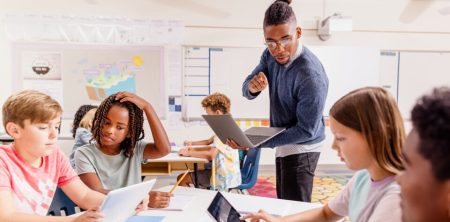
The distinction between passive consumption and active engagement represents one of the greatest challenges for any teacher introducing media into the classroom. While concerns about screen time are valid, innovative educators have developed methods to transform kids animated shows from potential distractions into powerful catalysts for active learning. These approaches emphasize student participation, critical thinking, and meaningful connections to curriculum objectives.
Active viewing protocols represent the foundation of effective educational use of animation. Rather than simply playing shows from beginning to end, teachers implement structured viewing experiences with clear learning objectives, guiding questions, and specific tasks for students to complete while watching. These protocols might include strategic pausing for discussion, note-taking frameworks, or prediction activities that maintain cognitive engagement throughout the viewing experience.
Pre-viewing activities set the stage for meaningful learning by activating prior knowledge, establishing purpose, and creating anticipation. Effective teachers introduce key vocabulary, pose guiding questions, or engage students in prediction activities before showing animated content. These preparatory steps ensure students approach the viewing experience with appropriate focus and background knowledge to maximize comprehension and retention.
The concept of “viewing with a purpose” transforms the psychology of the viewing experience. When students understand specifically what to watch for—whether character development, scientific concepts, historical details, or narrative structure—their viewing becomes intentional rather than passive. Many teachers provide graphic organizers or guided notes to support this purposeful watching, helping students capture key information during the viewing session.
Strategic pausing represents another powerful technique for active engagement with animated content. By pausing at pivotal moments, teachers create opportunities for discussion, prediction, clarification, or connection-making. These intentional breaks maintain student focus while deepening comprehension through verbalization and collective meaning-making.
Post-viewing activities solidify learning by requiring students to process, apply, or extend information presented in animated content. Effective follow-up might include structured discussions, written reflections, creative projects, or problem-solving tasks that build upon the animated material. These activities transform a potentially passive viewing experience into an active learning cycle.
The concept of “media literacy through animation” introduces a meta-level of learning where students analyze rather than simply consume animated content. Teachers guide students in examining how animation techniques, character development, narrative structures, and artistic choices convey messages and influence viewers. This critical lens transforms even entertainment-focused animation into valuable learning opportunities.
Differentiation strategies allow teachers to address diverse learning needs using the same animated content. For younger or struggling students, teachers might focus on basic comprehension and vocabulary development. For advanced learners, the same material might prompt analysis of metaphorical elements, cultural references, or technical aspects of the animation itself.
Cross-curricular connections maximize the educational value of animated content by bridging multiple subject areas. A science-focused animation, for instance, might serve as a springboard for related writing assignments, mathematical applications, historical connections, or artistic responses. This integrated approach helps students recognize the interconnected nature of knowledge across traditional subject boundaries.
Student-created extensions of animated content represent one of the most powerful active learning applications. After viewing educational animations, students might create their own scripts, storyboards, stop-motion sequences, or digital animations that demonstrate their understanding of the content. This creation process requires deep processing and application of the learned material.
Technology integration enhances the active learning potential of animated content through interactive components. Many educational shows now offer companion websites, games, simulations, or augmented reality experiences that extend the passive viewing experience into interactive territory. Teachers thoughtfully incorporate these digital extensions to deepen engagement and application.
Assessment opportunities abound when animated content is thoughtfully integrated into instruction. Beyond traditional quizzes about content, teachers can assess students’ analytical skills, creative applications, collaborative discussions, or ability to make connections between animated representations and real-world contexts. These varied assessment approaches provide richer evidence of student understanding than traditional measures alone.
Professional learning communities increasingly share best practices for transforming animated content into active learning experiences. Teacher networks, online forums, and educational resource sites feature lesson plans, viewing guides, and extension activities specifically designed to maximize the educational potential of popular animated shows. This collective expertise supports individual teachers in implementing evidence-based approaches.
As we look toward the future of education, the thoughtful integration of animated content represents an important frontier in engaging digital natives. Rather than viewing technology and traditional teaching as opposing forces, forward-thinking educators recognize the potential of blended approaches that leverage the engagement power of animation while maintaining the active learning principles that underpin effective instruction.

