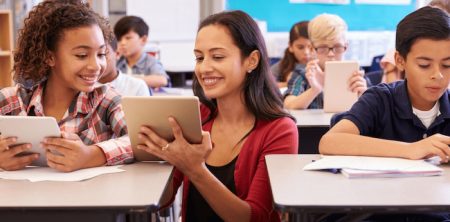
In today’s digital age, the classroom extends far beyond traditional walls. Teachers are constantly seeking innovative ways to engage their students, and many have discovered the untapped potential of kids animated shows as educational tools. The colorful characters and compelling storylines that capture children’s attention at home can become powerful allies in the learning process when thoughtfully incorporated into lesson plans.
The connection between education and entertainment has never been more relevant. Modern educators understand that learning doesn’t have to be confined to textbooks and worksheets. By acknowledging the shows that students already love and finding ways to connect them to curriculum goals, teachers create an immediate point of relevance that can transform a reluctant learner into an enthusiastic participant.
Research consistently shows that children retain information better when it’s presented in an engaging context. This is where animated programming excels—complex concepts can be simplified through visual storytelling, making abstract ideas concrete and accessible. When a teacher references a character or scenario from a popular show to explain a mathematical concept or historical event, they’re building a bridge between entertainment and education that can significantly enhance comprehension.
The most effective educational approaches recognize that children learn in diverse ways. Some are visual learners who benefit from the bright imagery of animated shows. Others are auditory learners who respond to the dialogue and music. Many are kinesthetic learners who might act out scenes from their favorite programs. By incorporating references to animated content, teachers can address multiple learning styles simultaneously.
Critical thinking skills develop naturally when students analyze their favorite shows. Teachers can guide discussions about plot developments, character motivations, and conflict resolution strategies. These conversations help children understand narrative structure while also building empathy and emotional intelligence as they consider different perspectives and consequences.
Science concepts often appear in animated programming, from basic physics principles in action sequences to environmental themes in nature-focused shows. Social studies come alive through historical settings or diverse cultural representations. Language arts skills are reinforced through dialogue, storytelling techniques, and the rich vocabulary that many quality animated programs incorporate.
The classroom integration of animated content doesn’t require elaborate technology or extensive viewing time. Sometimes, a simple screenshot or brief clip is sufficient to make a connection. Other times, a teacher might assign students to watch specific episodes at home and come prepared to discuss particular elements or answer guiding questions.
Parent partnerships strengthen when teachers acknowledge the media that families already share. By referencing shows that children watch at home, educators create continuity between school and family life. This can lead to more meaningful conversations about learning and provide parents with insights about how to make screen time more educational.
Technology literacy develops as students compare animated content across platforms and formats. Teachers can guide discussions about how animation styles have evolved, how stories are adapted across media, and how different cultures approach animation. These conversations help children become more sophisticated media consumers.
Creativity flourishes when students are inspired by the animated worlds they love. Art projects might involve creating new characters or settings. Writing assignments could include developing alternative endings or new adventures for familiar characters. Drama activities might incorporate voice acting or movement inspired by animated sequences.
The social element of shared media experiences shouldn’t be underestimated. When a teacher acknowledges popular shows, they validate children’s interests and create common ground among peers. This shared cultural context can foster classroom community and make school feel more relevant to students’ lives outside academic settings.
Balance remains essential when incorporating media references into education. While animation can provide valuable learning opportunities, it complements rather than replaces traditional teaching methods. The most effective educators weave media connections into a comprehensive approach that includes hands-on activities, direct instruction, and independent exploration.
Professional development resources increasingly address media literacy and the educational potential of children’s entertainment. Forward-thinking school districts provide training to help teachers evaluate animated content for educational value and develop strategies for meaningful classroom integration.
Looking ahead, the relationship between education and animation continues to evolve. As production companies recognize the importance of educational content, many are consulting with child development experts and educators during program development. This collaboration results in shows specifically designed to support learning while still delivering the entertainment value children expect.
The ultimate goal remains unchanged—to foster a love of learning that extends beyond the classroom. When teachers acknowledge and incorporate the animated stories that captivate their students, they demonstrate that education isn’t separate from enjoyment but can be enhanced by it. This approach helps children develop into lifelong learners who find knowledge and discovery in every aspect of their world.

