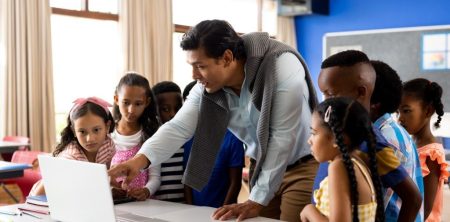
Introduction: Understanding the Importance of Preschool
Preschool serves as a crucial foundation for children's educational journeys. It is a transformative period where young minds begin to explore the world around them, develop social skills, and prepare for future learning environments. However, as parents, educators, and community members, it is important to ask the right questions about preschool to ensure that we are providing the best opportunities for our children. In this article, we delve into three essential questions that can guide discussions and decisions about preschool education.
What Are the Educational Objectives of Preschool?: Defining the Goals of Early Childhood Education
When considering preschool, the first question to ask is about the educational objectives that the institution aims to achieve. Preschools can vary significantly in their educational philosophies and approaches. Some may focus on academic readiness, while others prioritize social and emotional development. Understanding the goals of a preschool can help parents align their expectations and ensure that their child's needs are being met.
Academic Readiness: Many preschools emphasize foundational skills that prepare children for kindergarten. This includes literacy, numeracy, and basic problem-solving skills. Schools may implement structured curricula that incorporate learning through play, which is essential for cognitive development in early childhood.
Social and Emotional Development: In addition to academics, preschools often aim to foster social skills, emotional regulation, and interpersonal relationships. Children learn to share, cooperate, and resolve conflicts with peers, which are critical skills for their future interactions in school and society.
Creativity and Exploration: Some preschools adopt a more holistic approach, encouraging creativity and exploration. These programs often integrate art, music, and outdoor play into their curriculum, allowing children to express themselves and discover their interests.
Parents should inquire about the specific educational objectives of a preschool and how these goals are implemented in daily activities. This knowledge can help ensure that the preschool experience supports the child's overall development.
What is the Teacher-to-Child Ratio?: Evaluating Class Size and Individual Attention
Another vital question to consider is the teacher-to-child ratio in preschool settings. This ratio can significantly impact the quality of education and the level of individual attention each child receives. Research indicates that smaller class sizes often lead to better educational outcomes for young children.
Personalized Attention: A lower teacher-to-child ratio allows educators to provide more individualized attention. This is essential for addressing the unique needs, learning styles, and developmental stages of each child. When teachers can focus on fewer students, they can better support their emotional and academic growth.
Enhanced Learning Environment: With fewer children in the classroom, teachers can create a more conducive learning environment. Children are less likely to be distracted, which allows them to engage more fully in activities. Additionally, teachers can more easily monitor behavior and intervene when necessary, promoting a positive atmosphere.
Social Interaction: Smaller class sizes also foster deeper social interactions among children. With fewer peers, children have more opportunities to engage with one another, form friendships, and practice social skills. This interaction is vital for their emotional development and helps them learn how to navigate relationships effectively.
Parents should inquire about the teacher-to-child ratio and assess whether it aligns with their expectations for their child's preschool experience. Understanding this aspect can provide insight into the level of care and education their child will receive.
How Do We Measure Success in Preschool?: Evaluating Outcomes and Long-Term Impact
The third question worth asking is how success is measured in preschool programs. Understanding the metrics used to evaluate a preschool's effectiveness can provide valuable insights into the quality of education being offered.
Developmental Assessments: Many preschools utilize developmental assessments to evaluate children's progress. These assessments can provide information on various areas of development, including cognitive, social-emotional, and physical skills. They help teachers identify areas where a child may need additional support and track growth over time.
Parent and Teacher Feedback: Another important measure of success is feedback from parents and teachers. Engaging in regular communication with educators can provide insights into how a child is performing in preschool. Parent-teacher conferences and progress reports can be useful tools for understanding a child's strengths and areas for improvement.
Long-Term Outcomes: Ultimately, the success of a preschool program should also be evaluated based on long-term outcomes. Research has shown that quality preschool education can lead to better academic performance, increased graduation rates, and improved social skills in later years. Parents should inquire about any studies or data the preschool has regarding the long-term impact of their program on students.
By understanding how success is measured, parents can make informed decisions about which preschool will best support their child's development and future learning.
Conclusion: The Importance of Asking the Right Questions
In conclusion, preschool is a pivotal stage in a child's life, and asking the right questions can help parents make informed choices about their child's early education. By exploring the educational objectives of preschool, evaluating the teacher-to-child ratio, and understanding how success is measured, parents can ensure they are selecting a program that meets their child's unique needs.
Preschool is not just about preparing for kindergarten; it is about laying the groundwork for a lifetime of learning and growth. Armed with these questions, parents can engage in meaningful discussions with educators, advocate for their children's best interests, and ultimately contribute to a positive preschool experience. As we recognize the importance of early childhood education, it becomes essential to prioritize thoughtful inquiry and active participation in our children's educational journeys.

