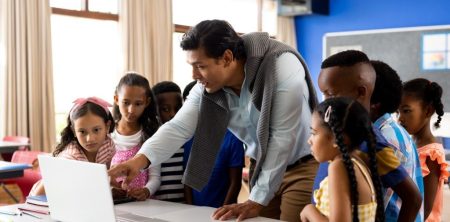
Introduction: Navigating the Changing Landscape of Education
The landscape of education is evolving rapidly, driven by technological advancements, societal changes, and a deeper understanding of student psychology. As we look towards the future, K-12 classroom management and discipline are experiencing transformative trends aimed at fostering more effective learning environments. Educators, administrators, and policymakers are increasingly prioritizing approaches that emphasize positive interactions, inclusivity, and the use of technology to manage classroom behavior. This article explores the anticipated trends in K-12 classroom management and discipline, highlighting innovative strategies and their potential impact on student success.
Holistic Approaches: Emphasizing Social and Emotional Learning
One of the most significant trends in classroom management is the integration of social and emotional learning (SEL) programs. Educators are recognizing that students’ emotional health directly affects their academic performance. By fostering a supportive environment where students feel safe to express their emotions, teachers can significantly reduce behavioral issues.
Comprehensive SEL programs involve:
- Curriculum Integration: Lessons that incorporate SEL principles, teaching students skills such as empathy, emotional regulation, and conflict resolution.
- Professional Development: Training for teachers to enhance their understanding of SEL and how to implement it effectively in the classroom.
- Family Engagement: Involving parents and guardians in SEL initiatives to create a consistent approach to emotional learning at home and school.
The focus on SEL encourages a more inclusive classroom culture, where students are better equipped to manage their emotions and behavior, leading to fewer disciplinary issues.
Restorative Practices: Moving Beyond Traditional Discipline
Traditional discipline methods, such as suspensions and expulsions, are increasingly being replaced by restorative practices that focus on repairing harm and restoring relationships. This trend aims to address the root causes of misbehavior rather than merely punishing students.
Key components of restorative practices include:
- Restorative Circles: Facilitated discussions where students can express their feelings, understand the impact of their actions, and collaboratively develop solutions.
- Accountability: Encouraging students to take responsibility for their actions and make amends, fostering a sense of community and belonging.
- Conflict Resolution Skills: Teaching students effective techniques to resolve disputes peacefully, reducing the likelihood of future conflicts.
Restorative practices promote a positive school climate and encourage students to learn from their mistakes, ultimately leading to more constructive behavior.
Technology Integration: Enhancing Management Strategies
The integration of technology into the classroom is transforming how educators manage student behavior and engagement. Innovative tools and platforms are being developed to support classroom management, making it easier for teachers to track behavior and communicate with students and parents.
Technological advancements contributing to classroom management include:
- Behavior Tracking Software: Applications that allow teachers to monitor student behavior in real-time, providing data that can inform interventions and support.
- Communication Platforms: Tools that enable teachers to communicate with parents about behavior and academic performance, fostering a collaborative approach to student management.
- Gamification: Incorporating game-like elements into behavior management systems to motivate students and encourage positive behavior through rewards and recognition.
By leveraging technology, educators can create a more responsive and data-driven approach to classroom management, enabling them to tailor their strategies to meet the needs of individual students.
Inclusive Practices: Addressing Diverse Student Needs
As classrooms become more diverse, the need for inclusive practices in classroom management and discipline has never been more critical. Educators are increasingly adopting strategies that recognize and respect the unique backgrounds and experiences of all students.
Inclusive practices may involve:
- Differentiated Instruction: Tailoring teaching methods to accommodate different learning styles and abilities, ensuring that all students can participate meaningfully in classroom activities.
- Culturally Responsive Teaching: Incorporating students’ cultural backgrounds into the curriculum and classroom management strategies, making learning more relevant and engaging for diverse learners.
- Positive Behavior Interventions and Supports (PBIS): A proactive approach that establishes clear expectations for behavior while providing support for students who may struggle to meet those expectations.
By fostering an inclusive environment, educators can promote positive behavior and engagement, reducing the need for disciplinary measures.
Data-Driven Decision Making: Utilizing Analytics for Improved Outcomes
In the future, data-driven decision-making will play a crucial role in classroom management and discipline. Educators will increasingly rely on data analytics to inform their strategies and interventions, leading to more effective management practices.
Key areas where data can be utilized include:
- Behavior Analysis: Examining patterns in student behavior to identify trends and predict potential issues before they escalate.
- Academic Performance Monitoring: Tracking student progress to identify those who may need additional support in managing their behavior and academic challenges.
- Feedback Mechanisms: Collecting data from students and parents about their experiences and perceptions of classroom management, allowing for continuous improvement.
By harnessing the power of data, educators can make informed decisions that enhance classroom management and support student success.
Conclusion: Embracing Change for a Better Learning Environment
As we look to the future of K-12 classroom management and discipline, it is clear that significant changes are on the horizon. Holistic approaches that prioritize social and emotional learning, restorative practices that focus on relationship-building, the integration of technology, the adoption of inclusive practices, and the use of data-driven decision-making will shape the educational landscape.
Educators, administrators, and stakeholders must embrace these trends to create a supportive and effective learning environment for all students. By fostering positive relationships, understanding diverse needs, and utilizing innovative strategies, we can pave the way for a brighter future in K-12 education, where all students can thrive academically and socially.

