```html
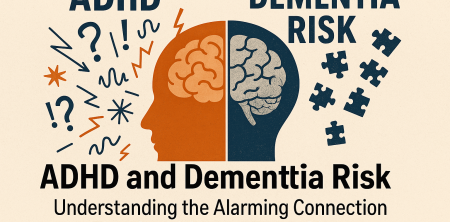
Attention Deficit Hyperactivity Disorder (ADHD) has long been a focus of medical research, primarily due to its impact on children and adolescents. However, recent studies have uncovered a disturbing correlation that extends beyond childhood: individuals with ADHD may face more than double the risk of developing dementia later in life. This connection between ADHD and dementia risk is not only surprising but calls for a deeper understanding of how these two conditions intersect.
Understanding ADHD and Its Impact
ADHD is a neurodevelopmental disorder characterized by symptoms such as inattention, hyperactivity, and impulsiveness. Affected individuals often struggle with maintaining focus, organizing tasks, and managing their time effectively. This disorder is prevalent, affecting an estimated 5% of children worldwide, and it frequently continues into adulthood.
Symptoms of ADHD can significantly impact various aspects of an individual's life, from academic performance to personal relationships. However, what many may not realize are the long-term implications of having this disorder, particularly regarding mental health and cognitive decline.
Research shows that adults with ADHD often experience greater challenges in their careers and personal lives compared to their peers without the disorder. This can lead to higher rates of job turnover, relationship difficulties, and increased prevalence of secondary mental health issues such as anxiety and depression. Understanding these dimensions can guide effective management strategies and interventions for those affected.
The Study Linking ADHD and Dementia Risk
A recent study published on June 19, 2026, highlights a striking association between ADHD and an increased risk of dementia in later life. The findings suggest that adults with ADHD are more than twice as likely to develop dementia when compared to those without the disorder. This revelation challenges common assumptions about ADHD being a condition that primarily affects younger individuals.
The research analyzed data from a large cohort of participants, examining various health metrics and cognitive outcomes as they aged. The results were compelling, indicating a significant link between the two conditions. This connection has drawn the attention of health professionals, caregivers, and families, who are now more concerned about the long-term consequences of ADHD.
Interestingly, the study indicates that the age of ADHD diagnosis plays a crucial role in determining dementia risk. Early diagnosis and intervention may mitigate some of the potential cognitive decline associated with the disorder. This nuance suggests that the timing and quality of treatment can have long-lasting effects on cognitive health.
Exploring the Biological Connection
One of the critical aspects of the study revolves around potential shared biological mechanisms between ADHD and dementia. Scientists have long speculated that both conditions may stem from similar neurobiological pathways. For instance, disruptions in neurotransmitter systems, particularly dopamine and norepinephrine, are implicated in ADHD and cognitive decline.
Furthermore, certain genetic factors may contribute to both conditions. Research into the genetics of ADHD has identified several risk genes that are also linked to neurodegenerative diseases. Understanding these biological underpinnings could open new avenues for treatment and prevention strategies. See also future of Alzheimer's assessment.
Additionally, neuroimaging studies have shown structural differences in the brains of individuals with ADHD compared to those without. These differences, particularly in areas associated with executive function and emotional regulation, may contribute to the cognitive decline seen in dementia. Investigating these brain structures further could help clarify the connection and lead to targeted interventions. (See: ADHD and its long-term effects.)
Established Dementia Risk Factors in ADHD Patients
The study also points to higher rates of established dementia risk factors among individuals with ADHD. These factors include cardiovascular disease, obesity, diabetes, and smoking. Each of these conditions can significantly increase the likelihood of cognitive decline, making it imperative to address them in patients with ADHD.
For example, cardiovascular health is crucial for maintaining optimal brain function. Individuals with ADHD may neglect their health due to impulsivity or inattention, leading to a higher prevalence of obesity and related conditions such as hypertension and diabetes. Furthermore, lifestyle choices, including smoking, can further compound these risks.
It's essential to recognize that managing ADHD effectively can also contribute to better physical health outcomes. Treatment plans that include psychoeducation and lifestyle modifications may reduce these additional risks. Encouraging regular check-ups and monitoring can empower individuals with ADHD to take control of their health and well-being.
The Emotional Weight of the Findings
The implications of the ADHD and dementia risk connection extend beyond clinical settings; they resonate deeply with families and caregivers. The prospect of a loved one facing cognitive decline due to a condition that many already struggle to manage is understandably distressing.
Parents of children with ADHD often grapple with concerns about their child's future, and the revelation of increased dementia risk adds another layer of anxiety. The emotional toll can be significant, making it essential for families to seek support and information on how to manage ADHD effectively while considering long-term health implications.
Support groups and counseling can serve as valuable resources for families navigating these challenges. Sharing experiences and strategies can provide comfort and guidance, allowing families to make informed decisions regarding treatment and lifestyle changes that may improve both mental and physical health.
Preventive Measures and Interventions
Given the potential relationship between ADHD and dementia risk, it's crucial to consider preventive measures. Addressing lifestyle factors early on can significantly reduce the risk of developing dementia later in life. Health professionals advocate for a multi-faceted approach that includes dietary adjustments, regular exercise, and mental health support.
- Nutrition: A balanced diet rich in fruits, vegetables, whole grains, and lean proteins can support overall health and cognitive function. Specific nutrients like omega-3 fatty acids, antioxidants, and vitamins B, D, and E have been shown to play roles in brain health.
- Physical Activity: Regular exercise not only improves cardiovascular health but also boosts brain health by increasing blood flow and promoting neuroplasticity. Engaging in activities like walking, swimming, or yoga can provide both physical and mental benefits.
- Mental Health Support: Therapy and counseling can help individuals with ADHD develop coping strategies, manage symptoms, and address any accompanying anxiety or depression. Cognitive-behavioral therapy (CBT) has been particularly effective in helping individuals with ADHD reframe negative thoughts and behaviors.
Moreover, early intervention for children diagnosed with ADHD can provide them with the tools they need to navigate life more effectively, potentially reducing the risk of future health complications. Schools and communities should be aware of the importance of supporting children with ADHD through tailored educational plans and resources.
Implications for Healthcare Providers
Healthcare providers must remain vigilant regarding the potential long-term implications of ADHD. This includes not only diagnosing and treating ADHD but also actively monitoring the overall health of patients to identify and address any emerging risks associated with dementia.
The findings from the study underscore the need for integrated care approaches that prioritize both mental and physical health. Regular health screenings, lifestyle counseling, and coordination among healthcare professionals can create a comprehensive support system for individuals with ADHD.
Providers should also consider collaborating with nutritionists, physical trainers, and mental health specialists to create holistic treatment plans. This collaboration can ensure that patients receive comprehensive care that addresses the multifaceted nature of ADHD and its associated risks.
Alternative Perspectives and Ongoing Research
While the findings linking ADHD and dementia risk are compelling, it is essential to approach this correlation with some caution. Critics of the study may argue that more research is needed to establish causation rather than mere association. Future studies with diverse populations and longitudinal designs could provide invaluable insights into the mechanisms at play and help refine treatment protocols. (See: CDC guidelines on ADHD.)
Moreover, ongoing research into both ADHD and dementia will continue to shape our understanding of how these conditions interact. With advancements in neuroscience and genetic research, the hope is that new therapeutic approaches can be developed to mitigate risks associated with both disorders.
There's also potential for using biomarkers to identify individuals at higher risk for both ADHD and dementia. Identifying these markers early can lead to more targeted interventions and preventive strategies, ultimately improving outcomes for those affected.
Frequently Asked Questions
What is the connection between ADHD and dementia risk?
Research indicates that individuals with ADHD may be more than twice as likely to develop dementia later in life due to overlapping biological factors, lifestyle risks, and the impact of ADHD symptoms on overall health.
Can ADHD treatments reduce the risk of dementia?
While more research is needed, managing ADHD effectively through medication, therapy, and lifestyle changes may help mitigate some of the risks associated with dementia by promoting better overall health and cognitive function.
What lifestyle changes can help reduce dementia risk in individuals with ADHD?
Incorporating a balanced diet, regular exercise, and mental health support can significantly improve health outcomes. Focusing on cardiovascular health and maintaining a healthy weight are particularly important.
How can families support loved ones with ADHD in managing their health?
Families can encourage healthy habits, assist in medication management, participate in therapy, and seek out support groups. Staying informed about the condition and advocating for comprehensive care are also vital steps.
Risk Factors Unique to ADHD and Dementia
While ADHD presents risks traditionally associated with lifestyle choices, it also showcases unique factors that may exacerbate the risk of dementia. For instance, emotional dysregulation often seen in ADHD can lead to social isolation, which is a known risk factor for dementia. Individuals with ADHD may struggle to maintain relationships or engage socially due to impulsivity or difficulty in managing emotions, possibly leading to feelings of loneliness.
Moreover, untreated ADHD can result in chronic stress, which has been linked to cognitive decline. The stress response can affect brain health, particularly in areas responsible for memory and decision-making. Understanding how these unique factors come into play is crucial for developing targeted interventions aimed at reducing dementia risk.
Statistics and Demographics
Data from various studies reveal alarming trends in the connection between ADHD and dementia risk. For example, a meta-analysis indicated that the prevalence of dementia in individuals with ADHD is approximately 2.5 times higher than in the general population. Additionally, research shows that the onset of dementia symptoms in those with ADHD may occur 5-10 years earlier than in those without the disorder.
Demographic factors also play a role in this connection. Age is a significant factor, as older adults with ADHD show a higher propensity for developing cognitive impairments. Gender differences are also observed, with studies suggesting that men with ADHD may be at a slightly higher risk for dementia than women, although the reasons for this disparity remain unclear.
Understanding the Long-term Effects of ADHD
ADHD is often viewed through the lens of childhood, with many believing it is something that individuals outgrow. However, the long-term effects of ADHD can persist into adulthood, affecting cognitive function, emotional well-being, and overall quality of life. Adults with ADHD report higher incidences of academic underachievement, job instability, and difficulties in interpersonal relationships.
Recognizing these long-term effects can inform better treatment strategies. Interventions focused on helping individuals develop time management skills, organizational strategies, and emotional regulation techniques can bolster resilience and potentially mitigate risks associated with dementia.
Potential Therapeutic Approaches
As researchers continue to investigate the link between ADHD and dementia, several therapeutic approaches are emerging as potentially beneficial. These include:
- Mindfulness and Meditation: Mindfulness practices can enhance emotional regulation and reduce stress, which may lower the risk of cognitive decline.
- Medication Management: Properly managed stimulant medications may not only help manage ADHD symptoms but could also promote neuroprotective effects, although more research is needed in this area.
- Holistic Therapies: Combining traditional therapies with holistic approaches, like yoga and tai chi, can improve both physical and mental health, which is crucial for those with ADHD.
Healthcare providers should remain informed about these emerging therapies and consider integrating them into treatment plans tailored for individuals with ADHD.
Conclusion: A Call to Action
The connection between ADHD and dementia risk is a significant development in the field of mental health and neurology. As more research unfolds, it’s crucial for families, healthcare providers, and policymakers to pay attention to these findings and consider the implications for prevention and care strategies.
Staying informed about risk factors, promoting healthy lifestyles, and advocating for comprehensive care can make a difference in managing ADHD while potentially reducing the risk of dementia. By being proactive, we can help individuals with ADHD lead healthier, more fulfilling lives, while also safeguarding their cognitive health for the future.
As we continue to uncover the complexities of ADHD and its long-term effects, one thing remains clear: understanding the link between ADHD and dementia risk is not just an academic exercise; it holds the potential to transform lives.
```
Trending Now
Frequently Asked Questions
What is the connection between ADHD and dementia?
Recent studies indicate that individuals with Attention Deficit Hyperactivity Disorder (ADHD) may have more than double the risk of developing dementia later in life. This alarming connection highlights the need for further research into how these two conditions interact and affect cognitive health.
How does ADHD affect adults?
ADHD can significantly impact adults, leading to challenges in maintaining focus, organizing tasks, and managing time. Adults with ADHD often experience higher rates of job turnover, relationship difficulties, and increased prevalence of secondary mental health issues such as anxiety and depression.
What are the symptoms of ADHD?
ADHD is characterized by symptoms including inattention, hyperactivity, and impulsiveness. Affected individuals may struggle with maintaining focus, organizing tasks, and effectively managing their time, which can impact various aspects of their personal and professional lives.
Can ADHD lead to cognitive decline?
Yes, recent research suggests that ADHD may contribute to cognitive decline as individuals age. The correlation between ADHD and an increased risk of dementia emphasizes the importance of understanding and managing ADHD to mitigate long-term cognitive effects.
What should I know about managing ADHD?
Effective management of ADHD involves understanding its symptoms and potential long-term implications. Strategies may include therapy, medication, and lifestyle adjustments to improve focus and organization, which can help mitigate challenges in personal and professional settings.
What's your take on this? Share your thoughts in the comments below — we read every one. (heart risks of ADHD meds)

