```html
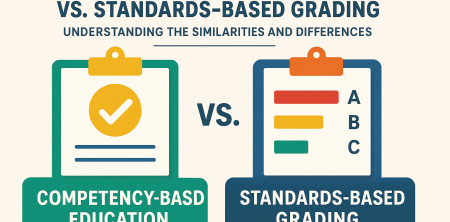
In the evolving landscape of education, understanding different frameworks is essential for educators, administrators, and parents alike. Two significant approaches that often come into play are competency-based education (CBE) and standards-based grading (SBG). While both aim to enhance student outcomes, they employ distinct methodologies and philosophies. In this article, we will explore the similarities and differences between these two educational models to provide a clearer picture for stakeholders.
1. Defining Competency-Based Education
Competency-based education is an instructional approach that focuses on students demonstrating mastery of specific skills and knowledge before advancing to the next stage of their education. The primary goal of CBE is to ensure that each learner reaches a predetermined level of proficiency in core competencies. This model allows students to progress at their own pace, often leading to a more personalized learning experience.
In a CBE framework, students typically work through learning modules or units that are structured around specific competencies. Their progress is assessed through a variety of methods, including projects, tests, and practical applications of skills. The emphasis is placed on learning outcomes rather than the time spent in a classroom setting, a key shift from traditional educational models.
2. Understanding Standards-Based Grading
Standards-based grading is an assessment and reporting system that focuses on measuring students' mastery of specific learning standards. Rather than assigning grades based on a curve or a total points system, SBG evaluates students based on their proficiency in relation to clearly defined standards. This method allows for a more accurate reflection of a student's academic performance.
In SBG, teachers communicate to students what is expected for mastery of each standard. Grading is often reported with a rubric that specifies levels of achievement, ranging from 'exceeding expectations' to 'not yet meeting expectations.' This model encourages feedback and allows students to understand their strengths and areas needing improvement.
3. Key Similarities Between CBE and SBG
At first glance, it might seem that competency-based education and standards-based grading are two entirely different concepts. However, they share several key similarities. Both approaches prioritize student learning and understanding over traditional methods that rely heavily on seat time or total points earned.
Additionally, both CBE and SBG utilize clear learning objectives and outcomes. They aim to provide students with a deeper understanding of material, facilitating a shift from rote memorization to critical thinking and application of knowledge. Both systems also encourage ongoing assessments and feedback, helping students to identify their progress and areas for growth.
4. Contrasting Philosophies: Focus on Learning vs. Assessment
The fundamental difference between CBE and SBG lies in their core philosophies. Competency-based education places a significant emphasis on learning and mastery. It allows students to take ownership of their educational journey, often resulting in a flexible learning experience tailored to individual needs. In this model, the time it takes a student to achieve mastery is flexible.
In contrast, standards-based grading centers its focus on the assessment and reporting of learning. While it also supports mastery learning, it does so within a structured framework that emphasizes the importance of meeting established standards. As a result, SBG typically operates within the traditional academic calendar, with students expected to meet standards within specific timeframes.
5. The Role of Assessment in CBE and SBG
Assessment plays a crucial role in both competency-based education and standards-based grading, but the methods and purposes differ. In CBE, assessments are used to determine whether a student has achieved mastery of a specific competency. The assessments can take various forms, including formative assessments, performance tasks, and summative evaluations. The goal is to provide a varied approach that accommodates different learning styles and paces. (See: Competency-Based Education Overview.)
On the other hand, in SBG, assessments are designed to measure a student’s progress toward specific standards. The focus is not just on whether a student can demonstrate knowledge, but on how well they can apply that knowledge to meet established criteria. This results in a system where students receive grades based on their level of proficiency in each standard, rather than on a cumulative score.
6. Implementing CBE and SBG in Schools
Implementing competency-based education and standards-based grading in a school or district requires thoughtful planning and training. For CBE, schools need to develop a clear framework that outlines the competencies students are expected to master. Educators must be trained in creating personalized learning pathways and assessments that align with these competencies.
For standards-based grading, schools must establish clear standards and develop rubrics for assessment. Teacher training is vital to ensure that educators can effectively communicate standards to students and provide meaningful feedback based on their performance. Additionally, both models require strong communication with parents and stakeholders to foster understanding and support for the transition.
7. Challenges in Adoption
Both competency-based education and standards-based grading come with their own set of challenges. With CBE, one of the primary hurdles is the shift in mindset that educators, students, and parents must make. There may be resistance to moving away from traditional grading systems, and some may question the validity of proficiency-based assessments.
Similarly, implementing standards-based grading can face obstacles, such as inconsistent understanding of grading practices among teachers and the potential for confusion among students and parents. Additionally, transitioning from a traditional system to SBG can be time-consuming and may require extensive professional development for educators.
8. Current Relevance and Future Trends
As educational landscapes continue to evolve, both competency-based education and standards-based grading are gaining traction in various educational settings. Many schools and districts are recognizing the value in personalized learning experiences and clearer assessment strategies.
Looking ahead, it’s likely that we will see even more integration of CBE and SBG as educators seek to better prepare students for the demands of the 21st century. The emphasis on critical thinking, problem-solving, and real-world application of knowledge aligns well with the principles of both approaches. Schools that adopt these models may find themselves at the forefront of educational innovation.
9. The Impact of Technology on CBE and SBG
Technology plays a crucial role in the implementation of both competency-based education and standards-based grading. Online platforms can facilitate personalized learning environments where students can access resources and assessments tailored to their specific needs. For instance, learning management systems (LMS) like Canvas or Moodle allow educators to design courses that follow CBE principles, supporting self-paced learning and competency tracking.
Moreover, technology enables more robust data collection and analysis. Educators can track student progress in real-time, making it easier to adjust instruction and provide timely interventions. In SBG, digital grading systems can streamline the process of reporting student achievement against standards, providing families with clearer insights into their child’s performance. With dashboards that visualize data, parents and students can quickly see areas of strength and those needing improvement.
10. Real-World Examples of CBE and SBG Implementation
Several districts and schools have successfully implemented competency-based education and standards-based grading, demonstrating the potential of these models. For instance, the New Hampshire Department of Education has pioneered a CBE model that allows students to progress based on their mastery. Schools in this state have reported improvements in student engagement and achievement, particularly among students who previously struggled in traditional settings.
In a different approach, the Fairfax County Public Schools in Virginia has embraced standards-based grading in its middle and high schools. Teacher feedback indicates that students appreciate the clarity of expectations and the focus on learning rather than just grades. A study within the district showed that students receiving SBG reported higher levels of motivation and a greater understanding of their learning process, as they could identify exactly what they needed to focus on to improve their scores.
11. Expert Perspectives on CBE and SBG
Education experts have differing views on the effectiveness of competency-based education and standards-based grading. Dr. Linda Darling-Hammond, a prominent education researcher, emphasizes that these models can help bridge the gap in equitable access to quality education. She argues that CBE promotes a more inclusive approach to learning, allowing students with different backgrounds and learning styles to thrive. (See: Standards-Based Grading Explained.)
Conversely, Dr. Dylan Wiliam, an advocate for formative assessment practices, highlights the need for clarity in grading when using SBG. He points out that while SBG can motivate students, the effectiveness depends heavily on how well teachers communicate standards and provide feedback. Without proper implementation, SBG could lead to confusion and frustration for both students and parents.
12. Frequently Asked Questions (FAQ)
What is the main goal of competency-based education?
The main goal of competency-based education is to ensure that students achieve a high level of mastery in specific skills and knowledge before progressing. This approach prioritizes individual learning paths over traditional timelines.
How does standards-based grading differ from traditional grading?
Standards-based grading focuses on measuring students’ proficiency against clearly defined learning standards, rather than comparing students to one another or assigning grades based solely on points accumulated.
Can schools use both CBE and SBG together?
Yes, many schools find that integrating both approaches can enhance learning. CBE can provide the framework for mastering competencies, while SBG can offer a structured way to report and communicate progress toward these competencies.
What challenges do educators face in transitioning to CBE?
Educators may face resistance from parents and students accustomed to traditional systems. There’s also the challenge of developing new assessments that align with a competency-based framework and require ongoing training to implement effectively.
Are there measurable benefits to using CBE and SBG?
Research indicates that both competency-based education and standards-based grading can lead to improved student engagement, higher achievement levels, and a clearer understanding of learning goals, which can be beneficial for both students and educators.
13. Common Misconceptions About CBE and SBG
Despite the growing implementation of competency-based education and standards-based grading, several misconceptions persist. One common belief is that CBE is only suitable for certain subjects or age groups. In reality, CBE principles can be effectively applied across various disciplines and educational levels, from elementary to higher education. The adaptable nature of CBE makes it a viable option for diverse educational contexts.
Another misconception is that standards-based grading leads to an absence of accountability. On the contrary, SBG encourages accountability by providing clear expectations and continuous feedback. This transparency allows students to take ownership of their learning and understand exactly what they need to achieve, thereby fostering a growth mindset.
14. The Future of Assessment: Blending CBE and SBG
As educators and institutions continue to embrace innovative practices, the future of assessment may see a blending of competency-based education and standards-based grading. This hybrid approach can offer the flexibility of CBE while retaining the structured reporting features of SBG. By combining the two, schools could create a comprehensive framework that supports personalized learning while also ensuring learners meet essential standards.
For example, a blended model could see students progressing at their own pace through competencies while utilizing SBG to evaluate their understanding of those competencies. This could also involve utilizing technology, such as learning analytics, to monitor student progress and adapt instruction accordingly, making assessment more responsive and individualized. (See: Learning and Education Resources.)
15. Statistics on the Efficacy of CBE and SBG
Research has shown that schools adopting competency-based education and standards-based grading often see improvements in student outcomes. According to a study by the Bill & Melinda Gates Foundation, schools that implemented CBE experienced a 20% increase in graduation rates compared to traditional models. Additionally, students reported higher levels of satisfaction with their learning experiences.
Furthermore, a survey by the National Education Association found that over 75% of educators believe that standards-based grading provides a more accurate reflection of student learning than traditional grading methods. These statistics highlight the growing support for these educational models, suggesting a positive trend towards their adoption in schools nationwide.
16. Preparing Educators for CBE and SBG
For successful implementation of competency-based education and standards-based grading, it’s essential to invest in professional development for educators. Training programs should focus on best practices in CBE and SBG, emphasizing the creation of effective assessments, the use of technology to support personalized learning, and strategies for fostering a growth mindset among students.
Collaboration among teachers is also important. Establishing professional learning communities can enable educators to share insights, resources, and experiences related to CBE and SBG. By fostering a culture of continuous learning and improvement, schools can enhance their overall approach to student success.
17. Looking Ahead: What to Watch For
As the educational landscape continues to evolve, several trends may shape the future of competency-based education and standards-based grading. Watch for increased emphasis on social-emotional learning, as educators recognize the importance of supporting the whole child in their educational journey. Integrating SEL into CBE and SBG models can create a more holistic approach to student development.
Another trend to anticipate is the growing role of artificial intelligence in education. AI-powered tools could help personalize learning even further, providing tailored recommendations for students based on their unique learning profiles. This could complement CBE initiatives and enhance the effectiveness of standards-based grading by offering more precise insights into student performance.
In summary, while competency-based education and standards-based grading share a common goal of improving student learning, they do so through different philosophies and methodologies. Understanding these differences and similarities is crucial for educators and stakeholders as they navigate the complexities of modern education.
```
Trending Now
- “Quick Phonemic Awareness Assessments for Kindergarten and First Grade Teachers”
- our breakdown of “why phonological awareness predicts reading success better than letter knowledge”
- “How Transitional Kindergarten Prepares Children for…
- “How Gross Motor Development Supports Academic…
Frequently Asked Questions
What is competency-based education?
Competency-based education (CBE) is an instructional approach where students must demonstrate mastery of specific skills and knowledge before progressing. It emphasizes personalized learning, allowing students to advance at their own pace, focusing on learning outcomes rather than time spent in the classroom.
How does standards-based grading work?
Standards-based grading (SBG) assesses students based on their mastery of clearly defined learning standards. Instead of traditional grading methods, SBG provides a more accurate reflection of student performance through rubrics that specify levels of achievement for each standard.
What are the similarities between competency-based education and standards-based grading?
Both competency-based education and standards-based grading aim to enhance student outcomes by focusing on mastery of skills and knowledge. They prioritize clear learning objectives and provide students with a more personalized and accurate assessment of their academic performance.
What are the differences between competency-based education and standards-based grading?
The primary difference lies in their approaches: CBE allows students to progress at their own pace based on mastery, while SBG provides a structured grading system that evaluates proficiency against specific standards. CBE emphasizes learning outcomes, whereas SBG focuses on assessment and reporting.
Why is understanding these educational models important?
Understanding competency-based education and standards-based grading is crucial for educators, administrators, and parents as they navigate the evolving landscape of education. These models can significantly impact student learning experiences and outcomes, ultimately shaping the future of educational practices.
Have you experienced this yourself? We'd love to hear your story in the comments.

