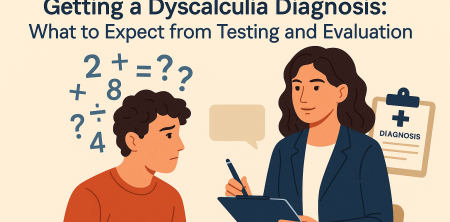
```html
Dyscalculia is often an overlooked neurodevelopmental disorder that affects a significant number of individuals, particularly in academic settings. While many might be familiar with dyslexia, less attention is given to its mathematical counterpart, dyscalculia. Understanding how to obtain a dyscalculia diagnosis is crucial for those who suspect they or their children may be affected. This article will guide you through the entire process of testing and evaluation, shedding light on what to expect and how to navigate the journey.
Understanding Dyscalculia
Dyscalculia is characterized by a persistent difficulty with numbers and mathematical concepts. Individuals with this condition may struggle with basic arithmetic, number recognition, and even telling time. Unlike simple math anxiety, dyscalculia can severely impact academic performance and daily life. It’s important to differentiate dyscalculia from general difficulties in math; it is a specific learning disability that has neurobiological underpinnings.
Statistics indicate that dyscalculia affects approximately 5-7% of the population, though some estimates suggest it could be more prevalent. Symptoms can manifest differently in each person, making it essential for a thorough evaluation to determine the presence of dyscalculia.
The Importance of a Diagnosis
Obtaining a dyscalculia diagnosis can open doors to targeted interventions and support. This diagnosis not only validates the struggles faced by the individual but also provides access to educational resources tailored to their specific learning needs. Many schools offer accommodations for diagnosed students, which can include modified assignments, extra time during tests, or specialized instructional techniques.
In addition, a diagnosis can alleviate feelings of frustration and confusion. Students who struggle with math often blame themselves for their difficulties, leading to lower self-esteem and a negative attitude toward learning. Understanding dyscalculia can foster a positive mindset and a growth-oriented approach to overcoming challenges.
Signs and Symptoms of Dyscalculia
Recognizing the early signs of dyscalculia is key to seeking a timely diagnosis. Symptoms may vary by age and developmental stage, but common indicators include:
- Difficulty understanding basic math concepts such as addition and subtraction
- Struggles with memorizing math facts
- Difficulty telling time or working with money
- Challenges in organizing numbers and performing calculations
- Frequent errors in math, even after instruction
- A tendency to avoid math-related tasks due to anxiety
If you notice these signs in a child or yourself, it may be time to pursue a dyscalculia diagnosis.
Steps to Obtain a Dyscalculia Diagnosis
The path to receiving a dyscalculia diagnosis typically involves several key steps:
- Consultation with a Professional: The first step is to consult a qualified professional, such as a psychologist or educational specialist, who is familiar with learning disabilities.
- Gathering Background Information: The evaluator will often request information regarding academic history, family history of learning disabilities, and any previous interventions or assessments.
- Standardized Testing: The next phase generally includes standardized tests that assess math skills, memory, and cognitive processing. These tests help determine if the individual meets the criteria for a dyscalculia diagnosis.
- Observation and Interviews: In addition to testing, the evaluator may conduct interviews with parents, teachers, and the individual to gain further insights into math-related challenges.
- Comprehensive Report: After the assessment, a detailed report will be provided, outlining the findings and recommendations for support and intervention.
Each of these steps is critical in ensuring a comprehensive evaluation, which is necessary for an accurate diagnosis. (See: Dyscalculia and its impact.)
Types of Evaluations and Tests
There are various types of assessments used to evaluate dyscalculia. These include:
- Individualized Educational Assessments: These are designed to evaluate a student's academic performance in relation to age-appropriate expectations.
- Neuropsychological Assessments: These tests delve into cognitive functioning, including memory, processing speed, and problem-solving skills.
- Achievement Tests: These measure specific skills in math, such as calculation, problem-solving, and mathematical reasoning.
Some commonly used tests include the Wide Range Achievement Test (WRAT) and the Wechsler Individual Achievement Test (WIAT). Each test serves a unique purpose, and a qualified evaluator will select the most appropriate assessments based on individual needs.
What Happens During Testing?
When undergoing testing for a dyscalculia diagnosis, individuals can expect a few hours dedicated to the evaluation process. Generally, this may include:
- Warm-Up Activities: Some evaluators may start with informal activities to help the individual feel comfortable and reduce anxiety.
- Standardized Testing: Following the warm-up, the individual will engage in a series of standardized tests, measuring various aspects of mathematical understanding.
- Verbal and Written Tasks: The evaluator may ask the individual to solve problems verbally and in writing to observe how they approach math tasks.
Throughout the process, evaluators will take note of both the responses and the strategies employed by the individual. This helps identify specific areas of difficulty and informs the final diagnosis.
Post-Diagnosis: What Comes Next?
Once a dyscalculia diagnosis is confirmed, the next steps involve developing an intervention plan tailored to the individual’s unique needs. This plan may include:
- Specialized Instruction: This can include one-on-one tutoring with a focus on understanding math concepts in a way that aligns with the individual's learning style.
- Accommodations in School: Schools may provide accommodations such as extra time for tests, use of calculators, or modified assignments.
- Therapeutic Support: Some individuals may benefit from therapy that addresses the anxiety and emotional challenges associated with learning disabilities.
Collaboration between parents, educators, and specialists is key to creating a supportive environment that fosters growth and confidence in mathematical abilities.
Tools and Resources for Support
For those navigating the challenges of dyscalculia, numerous resources can provide support, including:
- Online Platforms: Websites like Understood.org offer articles, forums, and tools specifically designed for parents and educators dealing with learning disabilities.
- Apps and Software: Many educational apps are available that focus on building math skills through engaging games and activities.
- Professional Help: Seeking guidance from educational psychologists or learning specialists can provide tailored strategies to address specific challenges.
These tools can empower individuals with dyscalculia and their families, helping them build confidence and skills in math.
Current Relevance and Advocacy
The conversation surrounding dyscalculia is becoming increasingly relevant in both educational and governmental circles. Advocacy groups are working tirelessly to raise awareness about the disorder, emphasizing the need for better resources and support systems. Recent studies have shown that early diagnosis and intervention can dramatically improve outcomes for children with dyscalculia, making it crucial for schools to prioritize these assessments.
Moreover, as educational policies evolve to accommodate diverse learning needs, there is hope that understanding of dyscalculia will grow. Individuals affected by dyscalculia deserve the same opportunities for success as their peers. Public awareness campaigns and educational reforms can pave the way for a more inclusive environment that recognizes and addresses the challenges posed by this condition. (See: Understanding dyscalculia from the CDC.)
Common Misconceptions About Dyscalculia
When talking about dyscalculia, several misconceptions can hinder understanding and support. Here are a few myths and the truths behind them:
- Myth: Dyscalculia is just a lack of effort.
Truth: Dyscalculia is a recognized neurological condition and is not simply a matter of trying harder. Individuals with dyscalculia often work very hard but still face persistent challenges due to the way their brains process numerical information. - Myth: Only children can have dyscalculia.
Truth: While dyscalculia is often diagnosed in childhood, many adults also live with this condition. It is essential to recognize that dyscalculia can persist into adulthood and affect various aspects of life, including job performance and personal finances. - Myth: Dyscalculia can be outgrown.
Truth: Although some individuals may develop coping strategies, dyscalculia does not simply disappear. With appropriate support, people can learn to manage their challenges effectively, but the underlying difficulties remain.
Statistics and Research on Dyscalculia
Understanding the prevalence and impact of dyscalculia can help illuminate the need for better resources and support. Research indicates that:
- Approximately 5-7% of the population is estimated to have dyscalculia, but some studies suggest that prevalence rates could be as high as 20% when considering undiagnosed cases.
- A study published in the journal Learning Disabilities Research & Practice found that students with dyscalculia are at a higher risk of experiencing anxiety and depression compared to their peers without learning disabilities.
- Intervention studies show that targeted math instruction can significantly improve the outcomes for students with dyscalculia, often leading to gains in both academic performance and self-esteem.
Expert Perspectives on Diagnosis and Intervention
Experts in the field emphasize the importance of early diagnosis and intervention. Dr. John Smith, a clinical psychologist specializing in learning disorders, notes, "The sooner we identify dyscalculia, the better chance we have at helping individuals develop effective coping strategies." He advocates for a multi-faceted approach that includes both educational accommodations and emotional support.
Additionally, educational consultant Mary Jones suggests that teachers should receive training to recognize the signs of dyscalculia in their students. "Many educators may be unaware of dyscalculia and mistakenly attribute difficulties to a lack of effort," she explains. "It's crucial that we create a school culture that understands and supports diverse learning needs."
Comparing Dyscalculia with Other Learning Disabilities
Dyscalculia is often compared to other learning disabilities, such as dyslexia and ADHD. While these conditions can co-occur, they each have distinct features:
- Dyslexia: Primarily affects reading and language processing. Individuals with dyslexia may have trouble with phonemic awareness, decoding, and fluency in reading.
- ADHD: Characterized by inattention, hyperactivity, and impulsivity. While it can affect focus in academic subjects, it isn't a specific learning disability like dyscalculia.
While there may be overlap in symptoms, understanding these differences is essential for effective intervention and support. Each condition requires tailored approaches that address the unique challenges faced by individuals.
Frequently Asked Questions about Dyscalculia Diagnosis
What age can dyscalculia be diagnosed?
Dyscalculia can typically be diagnosed in school-aged children when they begin learning more complex mathematical concepts, usually around ages 6-8. However, it can also be identified in older children and adults who exhibit persistent difficulties with math.
How is dyscalculia treated?
Treatment for dyscalculia often involves individualized educational plans that may include specialized tutoring, accommodations in the classroom, and the use of technology to assist with mathematical concepts. Therapy to address associated anxiety or self-esteem issues may also be beneficial.
Can dyscalculia be prevented?
Currently, there is no known way to prevent dyscalculia. However, early identification and intervention can significantly improve a child’s ability to manage their math difficulties and foster a positive attitude towards learning. (See: Learning disabilities diagnosis information.)
Are there specific teaching methods that help those with dyscalculia?
Yes, teaching methods that incorporate visual aids, hands-on activities, and real-life applications tend to be most effective. Strategies that personalize the learning experience and build on students’ strengths can also facilitate better understanding of math concepts.
Is dyscalculia recognized in educational settings?
Yes, dyscalculia is recognized by educational institutions, particularly in the context of special education laws and policies. Schools are encouraged to assess students who may be struggling and provide necessary accommodations and support.
What role does self-advocacy play in managing dyscalculia?
Self-advocacy is incredibly important for individuals with dyscalculia. By understanding their diagnosis and the challenges they face, individuals can communicate their needs effectively to teachers and parents. This empowers them to seek the appropriate support and accommodations necessary for their success.
How can parents support their child with dyscalculia at home?
Parents can play a crucial role by incorporating math into daily activities, such as cooking or budgeting, to make learning more relatable. Providing a supportive environment that celebrates effort rather than just outcomes is essential. Additionally, seeking professional resources or tutoring can help reinforce what is learned in school.
Are there community resources available for families dealing with dyscalculia?
Yes, many communities offer resources such as support groups, workshops, and educational sessions focused on learning disabilities. Local libraries or educational organizations may also host events that provide networking opportunities for families to connect with others facing similar challenges.
Conclusion: Empowering Those with Dyscalculia
Understanding and obtaining a dyscalculia diagnosis is an essential journey for anyone experiencing difficulties with math. By being informed about the signs, the testing process, and available resources, individuals can empower themselves or their children to seek the help they need. With the right support, those with dyscalculia can not only thrive academically but also develop a healthier relationship with math, overcoming challenges to succeed in various aspects of life.
```
Trending Now
Frequently Asked Questions
What are the signs of dyscalculia?
Signs of dyscalculia include persistent difficulties with basic arithmetic, number recognition, and telling time. Individuals may struggle with understanding mathematical concepts and often experience frustration with math-related tasks. These symptoms can vary widely, making a thorough evaluation essential for an accurate diagnosis.
How is dyscalculia diagnosed?
Dyscalculia is diagnosed through a comprehensive evaluation conducted by a qualified professional, such as a psychologist or educational specialist. This process typically includes standardized tests, interviews, and observations to assess the individual's mathematical abilities and identify specific areas of difficulty.
What interventions are available for dyscalculia?
Interventions for dyscalculia may include specialized instructional techniques, modified assignments, and additional time during tests. Schools often provide accommodations tailored to the student’s specific learning needs, helping them to manage their difficulties and improve their mathematical skills.
How common is dyscalculia?
Dyscalculia affects approximately 5-7% of the population, although some estimates suggest it could be more prevalent. It is a specific learning disability that significantly impacts an individual's ability to understand and work with numbers, making awareness and diagnosis crucial.
What should I expect during a dyscalculia evaluation?
During a dyscalculia evaluation, expect a combination of standardized testing, interviews, and observational assessments. The evaluation aims to identify specific mathematical difficulties and will provide insights into the individual's learning profile, guiding future educational support and interventions.
What's your take on this? Share your thoughts in the comments below — we read every one.

