```html
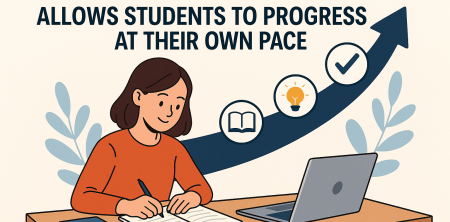
In an age where traditional educational models are often critiqued for their rigidity and lack of personalization, competency-based learning (CBL) emerges as a beacon of adaptability. This innovative approach redefines how students engage with learning, allowing them to progress at their own pace. But what exactly does this mean for students, educators, and the educational system as a whole? Let’s explore the foundations, advantages, challenges, and current relevance of competency-based learning.
Understanding Competency-Based Learning
Competency-based learning is an educational framework that focuses on the demonstration of specific skills or competencies, rather than the time spent on a subject. In traditional settings, students often progress through grades based on age or time spent in class. However, competency-based models emphasize mastery, allowing students to move forward only when they have shown they understand the material fully.
This approach can be particularly beneficial in environments where students have varying levels of prior knowledge and skill. For instance, a high school student with a solid grasp of algebra can advance to geometry without being held back by classmates who might still be struggling with basic concepts.
Historical Context of Competency-Based Learning
Though competency-based learning might seem like a modern educational trend, its roots trace back several decades. The concept gained traction in the 1970s during discussions about educational reform in the United States. Educational theorists recognized that traditional systems often failed to meet the diverse needs of students. Early implementations primarily focused on vocational training, where employers sought specific skills that could be demonstrated. best practices for personalized learning offers useful background here.
Over time, the model evolved to encompass K-12 education and higher learning institutions. The rise of technology in education has also played a significant role in facilitating CBL, providing students with online resources and platforms that cater to self-paced learning.
The Core Principles of Competency-Based Learning
At its heart, competency-based learning is built upon several key principles:
- Mastery Before Progression: Students must demonstrate a thorough understanding of a concept before moving on to the next topic.
- Personalized Learning Paths: CBL allows for individualized learning experiences tailored to each student's needs.
- Flexible Time Frames: Students can take as much or as little time as needed to master a skill, creating a more accommodating learning environment.
- Real-World Application: CBL emphasizes skills that are relevant to real-life situations, preparing students for practical challenges.
The Advantages of Competency-Based Learning
One of the most notable advantages of competency-based learning is its ability to cater to individual learning styles and paces. Here are several key benefits:
1. Tailored Learning Experiences
Every student is unique, with different strengths and weaknesses. CBL respects these differences by allowing students to progress through material at their own speed. If a student excels in math but struggles with reading comprehension, they can spend more time on reading while advancing quickly in math. This individualized approach can lead to increased motivation and engagement.
2. Increased Accountability
In a competency-based environment, students are encouraged to take ownership of their learning. When progress is tied directly to skill mastery, students learn to set goals and hold themselves accountable for achieving them. This sense of responsibility fosters a growth mindset, where students view challenges as opportunities for development rather than obstacles.
3. Enhanced Skill Mastery
Because CBL requires students to demonstrate mastery before moving to more complex topics, it promotes deeper understanding of material. This proficiency is critical, especially in subjects like mathematics or science, where foundational knowledge is essential for future success. Students often find that mastering early concepts leads to greater confidence when tackling new challenges.
Challenges in Implementing Competency-Based Learning
While the benefits of competency-based learning are clear, there are also challenges in implementing this model effectively.
1. Transitioning from Traditional Models
Shifting from a traditional education system to a competency-based approach can be daunting for educators and students alike. Many educators are accustomed to structured lessons and standardized testing. Training teachers to adopt a CBL mindset and to assess student competencies can take time and resources.
2. Assessment and Measurement
In a traditional classroom, assessments are often standardized and occur at set intervals. In contrast, competency-based learning requires ongoing assessments that are tailored to individual students. Developing these assessments can be complex and requires collaboration among educators to ensure that they effectively measure student mastery. (See: Competency-based learning overview.)
3. Resource Allocation
Competency-based learning can necessitate additional resources, such as technology platforms that facilitate personalized learning experiences or professional development for educators. Some institutions may struggle to find the necessary funding or support to implement CBL effectively.
Competency-Based Learning in Action: Case Studies
To better understand how competency-based learning functions in real-world scenarios, let’s examine a few case studies.
1. Western Governors University (WGU)
WGU, an online university, is a prime example of competency-based education in higher learning. The institution allows students to progress through their degrees based on demonstrating mastery of subject matter rather than accruing credit hours. Students can learn at their own pace, allowing them to accelerate their education based on their personal schedules and life commitments.
According to WGU, over 80% of graduates report feeling that their education prepared them well for their careers, showcasing the effectiveness of this model in producing competent, job-ready graduates.
2. The New England Institute of Technology
In the realm of technical training, the New England Institute of Technology (NEIT) offers competency-based programs that emphasize hands-on learning and real-world experience. NEIT’s programs allow students to engage in projects that reflect industry demands, giving them the opportunity to build portfolios showcasing their competencies.
Students can complete their programs more quickly if they demonstrate skills rapidly, making it advantageous for those eager to enter the workforce.
Current Trends and Future of Competency-Based Learning
The trend toward competency-based learning is not merely a fad; it's an evolving educational paradigm that responds to modern needs. As more institutions adopt this model, several trends are emerging:
1. Technology Integration
With the rise of online learning platforms and digital assessments, technology is becoming an integral part of competency-based learning. Platforms like Canvas and Moodle allow for personalized learning pathways and real-time assessment feedback, making it easier for educators to tailor instruction and for students to monitor their own progress.
2. Increased Focus on Lifelong Learning
As the job market continues to change, the need for lifelong learning is becoming more pronounced. Competency-based learning aligns well with this shift, as it encourages individuals to continually develop skills throughout their lives. Adult learners and professionals can benefit from CBL as they seek to upskill or reskill in response to evolving job demands.
3. Greater Collaboration Between Educators and Industry
Competency-based programs often involve collaboration with industry partners to ensure that curricula meet workforce needs. This trend strengthens the connection between education and employment, helping students acquire competencies directly relevant to their desired careers. Schools partnering with businesses can also open doors for internships and job placements.
Practical Insights for Implementing Competency-Based Learning
If you’re an educator or administrator considering the transition to competency-based learning, here are some practical insights to keep in mind:
1. Start Small
Transitioning to a competency-based model doesn’t have to happen overnight. Begin with a pilot program or a specific subject area. This allows you to test the waters, gather feedback, and make adjustments before scaling up.
2. Involve Stakeholders
Engage teachers, students, and parents in the process. Their input can provide valuable perspectives on how to structure competencies and assessments effectively. Building a community around your CBL initiatives fosters buy-in and ensures a smoother transition.
3. Invest in Professional Development
Teachers play a crucial role in the success of competency-based programs. Providing ongoing professional development opportunities will equip them with the skills and knowledge needed to implement CBL effectively. Training can cover everything from creating assessments to using technology in the classroom.
Competency-Based Learning and Different Learning Environments
Competency-based learning isn’t limited to traditional classrooms; it can thrive in various environments. Let’s look at how CBL can be adapted in different settings. (See: U.S. Department of Education on CBL.)
1. Online Learning Platforms
Online learning platforms like Coursera and edX have embraced competency-based frameworks by providing courses that allow learners to demonstrate skills before advancing. These platforms often offer micro-credentials, enabling learners to showcase their competencies to potential employers, making CBL a practical choice for online education.
2. Adult Education and Workforce Development
Competency-based learning is particularly effective in adult education and workforce development programs. Many organizations that provide training for adults emphasize skill mastery, allowing individuals to gain certifications that employers value. Programs designed around CBL can accelerate workforce readiness, providing targeted skills that meet job market demands.
3. Alternative Schools and Programs
Alternative schools, including charter schools and homeschooling programs, often utilize CBL to create more flexible and personalized learning experiences. These environments can be ideal for implementing CBL due to their smaller class sizes and innovative curricula that prioritize mastery over standardization.
Statistics Supporting Competency-Based Learning
Evidence backing competency-based learning is growing. Here are some compelling statistics:
- A study by the Bill & Melinda Gates Foundation found that students in competency-based programs performed better than their peers in traditional education settings, particularly in mathematics and science.
- A report from the National Center for Education Statistics (NCES) indicated that 70% of educators who implemented CBL reported increased student engagement and motivation.
- Research from the RAND Corporation revealed that students in CBL settings demonstrated higher completion rates in post-secondary education, with a 30% increase compared to traditional models.
Expert Perspectives on Competency-Based Learning
Experts in education have weighed in on the benefits and future of competency-based learning. Here are some insights:
1. Dr. Linda Darling-Hammond
A renowned education researcher, Dr. Darling-Hammond states, “Competency-based education allows for a more equitable learning environment where all students can succeed at their own pace. It recognizes that every learner is different and values the mastery of skills over mere attendance.” (must-have learning apps)
2. Dr. David Conley
Dr. Conley, an expert in college readiness, emphasizes the importance of aligning CBL with real-world applications. “Competency-based education not only prepares students for academic success but also equips them with the skills needed to thrive in their careers,” he notes. “This relevance is crucial in a rapidly changing job market.”
FAQs About Competency-Based Learning
What is competency-based learning?
Competency-based learning is an educational approach that allows students to progress through material based on demonstrated mastery of specific skills or knowledge rather than the time spent on a subject.
How does competency-based learning differ from traditional education?
In traditional education, students typically progress through grades based on age and time spent in class. Competency-based learning focuses on individual mastery, allowing students to advance when they can prove their understanding of a topic.
What are the benefits of competency-based learning?
Benefits include personalized learning experiences, increased student accountability, and enhanced mastery of skills, all of which lead to greater engagement and learning retention.
What challenges come with implementing competency-based learning?
Challenges may include transitioning from traditional models, developing appropriate assessments, and securing necessary resources for implementation. Training educators to adopt a CBL mindset is also essential.
Is competency-based learning suitable for all students?
While CBL can be beneficial for many students, its effectiveness may vary based on individual learning styles and motivations. Some students thrive in a structured environment, while others may benefit from the flexibility of CBL.
How can educators effectively implement competency-based learning?
Educators can start with small pilot programs, involve stakeholders in the development process, and invest in professional development to equip themselves with the necessary skills and knowledge for successful implementation. (See: Scientific articles on competency-based education.)
Competency-Based Learning and Its Impact on Educational Equity
One of the most significant advantages of competency-based learning is its potential to foster educational equity. By focusing on mastery rather than seat time, CBL can help close achievement gaps that often plague underprivileged students. Here's how:
1. Addressing Diverse Learning Needs
Many students enter the classroom with varying levels of knowledge and skills. CBL allows for differentiated instruction, enabling each student to learn at their own pace. For learners who require additional support, such as those with learning disabilities or English language learners, this model can provide the flexibility needed to succeed.
2. Supporting Non-Traditional Students
Competency-based learning is particularly beneficial for non-traditional students, including adult learners or those balancing education with work or family responsibilities. By allowing these students to progress based on their competencies, CBL can help them gain skills and credentials that improve their job prospects.
3. Bridging the Gap Between Education and Employment
Competency-based programs often align closely with industry needs, ensuring that students acquire relevant skills that lead to employment. This connection can be especially crucial for minority or disadvantaged students who may face additional barriers in the job market. By equipping them with in-demand skills, CBL can enhance their employability and economic mobility.
Future Directions for Competency-Based Learning
As competency-based learning continues to mature, several future directions are emerging:
1. Increased Policy Support
As awareness of the benefits of CBL grows, more educational policies are being developed to support its implementation. This includes funding initiatives, grant opportunities, and incentives for schools to adopt competency-based systems.
2. Expansion of Assessment Methods
Future competency-based education models will likely see the development of more sophisticated assessment tools. Performance assessments, portfolios, and project-based evaluations can provide a more comprehensive picture of student competencies and learning progress.
3. Global Adoption and Adaptation
Competency-based learning is not limited to the United States; it is gaining traction globally. Countries around the world are exploring CBL as a means of reforming their educational systems to better prepare students for the demands of the 21st century. As these models evolve, international collaboration and sharing of best practices will enhance the effectiveness of CBL worldwide.
Conclusion: A New Era of Learning
In summary, competency-based learning represents a transformative shift in education, prioritizing mastery and personalization over traditional metrics of time and age. As it continues to gain traction, the benefits are increasingly evident: students gain the ability to learn at their own pace, master skills deeply, and prepare for real-world challenges. While challenges remain, the commitment to fostering a more equitable and effective learning environment is driving educators and institutions toward this innovative approach. The future of education lies in creating pathways that honor individual learning journeys, and competency-based learning is leading the way.
```
Trending Now
Frequently Asked Questions
What is competency-based learning?
Competency-based learning (CBL) is an educational framework that allows students to progress based on their mastery of specific skills or competencies rather than the time spent in class. This approach enables personalized learning experiences, where students can advance at their own pace, ensuring they fully understand the material before moving forward.
How does competency-based learning benefit students?
CBL benefits students by accommodating diverse learning paces and prior knowledge. It allows those who grasp concepts quickly to advance without being held back by peers, fostering a more personalized and effective learning environment. This can lead to increased motivation and better overall academic outcomes.
What are the challenges of implementing competency-based learning?
Implementing competency-based learning can present challenges such as the need for significant curriculum redesign, training for educators, and establishing effective assessment methods. Additionally, ensuring that all students have access to the necessary resources and support can be difficult in traditional educational settings.
When did competency-based learning become popular?
Competency-based learning gained popularity in the 1970s during discussions about educational reform in the United States. Initially focused on vocational training, the model has since expanded to K-12 and higher education, particularly with advancements in technology that facilitate personalized learning.
How does technology support competency-based learning?
Technology supports competency-based learning by providing tools and platforms that allow for customized learning experiences. It enables students to access resources at their own pace, track their progress, and receive immediate feedback, making it easier for educators to implement and manage CBL effectively.
Have you experienced this yourself? We'd love to hear your story in the comments.

