```html
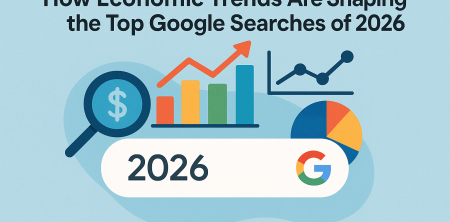
As we look into the digital landscape of 2026, an intriguing pattern emerges from the most searched topics on Google. The data from the first half of this year reveals a significant interest in economic and consumer-behavior subjects. This shift in search behavior suggests that users are actively seeking information that informs their real-time decisions, particularly in crucial areas like real estate. Here’s a closer examination of the top Google searches for 2026 and what they mean for various sectors, especially real estate.
1. Economic Pressures Drive Search Trends
The first half of 2026 has seen a marked increase in searches related to economic conditions. With inflationary pressures, shifting interest rates, and fluctuating job markets, people are keen on understanding how these factors influence their daily lives. Economic topics dominate search queries, from “best investment strategies” to “how to budget during inflation.” Individuals are not only looking for guidance but also for actionable insights to navigate an uncertain economic environment.
This trend can be tied directly to the urgency that consumers feel regarding their financial futures. With rising prices for essentials and housing, understanding economic indicators has never been more crucial. Users are searching for data that empowers them to make informed choices, whether that's related to investments, purchasing a home, or other critical financial decisions.
2. The Housing Market’s Influence on Search Behavior
When it comes to real estate, the data shows a pronounced spike in housing-related searches, reflecting a broader pattern of high-intent search behavior. As prices fluctuate and interest rates alter the affordability landscape, users are flocking to Google for answers. Queries such as “how to buy a house in a low market” and “current real estate trends” are particularly popular.
These searches suggest that potential homebuyers are becoming more strategic. They’re not just passive consumers; they’re actively looking for ways to leverage current market conditions to their advantage. Any sudden price drops or significant changes in mortgage rates can lead to viral search activity, as people rush to gather information that feels both urgent and financially relevant.
3. Shifts in Consumer Behavior
As we delve deeper into the top Google searches for 2026, it becomes clear that consumer behavior is transforming. The pandemic has accelerated a change in how people approach spending, saving, and investing. Searches surrounding “sustainable investments” and “eco-friendly homes” have surged, indicating a shift towards more conscientious decision-making.
This growing interest in sustainability reflects a broader societal movement where consumers are not just interested in financial gain but also in ethical considerations. As awareness of climate change rises, practical searches for green investments and sustainable living solutions have become part of the mainstream conversation, influencing purchasing decisions in real estate.
4. High-Intent Searches Are Key
Searches that exhibit high intent—where users are clearly looking for specific information to make an important decision—are on the rise. This pattern aligns closely with the urgency surrounding economic conditions and the housing market. Queries like “best mortgage rates” or “how to refinance your home” are reflective of users’ immediate needs to act.
These high-intent searches are particularly valuable for content creators and marketers. By tapping into the urgent nature of these queries, businesses can create targeted content that resonates with users. For instance, providing timely market updates or practical guides can drive traffic and engagement, as audiences share actionable content that feels financially impactful.
5. The Role of Social Media in Search Trends
There's a noticeable intersection between social media and Google searches, as platforms like Twitter and Instagram increasingly influence search behavior. Viral posts about economic instability or housing market fluctuations often lead to spikes in related searches. This connection highlights how social media can accelerate the dissemination of information, making certain topics more visible and urgent.
Real estate professionals and businesses must be aware of this dynamic. Engaging with audiences on social media not only helps to build brand awareness but also positions companies to respond to trending topics. By aligning their content with the most current conversations, businesses can capture the attention of potential customers looking for timely insights. (See: Economic indicators and consumer behavior.)
6. Actionable Content Drives Engagement
In this era of high-stakes searches, the demand for actionable content is at an all-time high. Audiences are eager for guidance that allows them to make informed decisions quickly. Articles, blog posts, and videos that provide practical advice and clear steps—such as “how to prepare your home for sale” or “steps to take when buying a home”—are likely to see increased traffic and shares.
Moreover, this type of content fits perfectly within the broader pattern of what people are searching for. When an economic event occurs, content that offers immediate solutions can go viral, as individuals rush to share information that is critical to their financial wellbeing.
7. Tech Innovations and Their Impact on Searches
Technology continues to reshape the way we search for information. The emergence of AI and machine learning has led to more personalized search experiences, meaning that what you see when you search for housing or economic trends is increasingly tailored to your preferences and past behavior. This personalization can significantly impact the effectiveness of search results.
For real estate professionals, understanding these tech innovations is crucial. By optimizing their online presence and utilizing technology to provide personalized experiences, they can better meet the needs of users who are actively seeking real estate solutions. The ability to provide relevant, tailored content directly correlates with higher engagement and conversion rates.
8. Understanding Demographics Behind the Searches
Demographic factors play a significant role in shaping the top Google searches of 2026. Understanding who is searching for what can help businesses tailor their marketing strategies effectively. For instance, younger generations are more inclined to search for eco-friendly housing solutions, while older demographics might focus on retirement communities and investment properties.
This insight is invaluable for real estate agents and developers. By segmenting their audience and crafting specific messaging that resonates with different age groups or lifestyle preferences, businesses can create more effective outreach strategies that address the unique needs of each demographic.
9. The Future of Search Trends
Looking ahead, the landscape of Google searches will continue to evolve, influenced by ongoing economic changes, technological advancements, and shifting consumer attitudes. As we move deeper into 2026, it’s clear that staying attuned to these trends will be essential for anyone involved in real estate or marketing. Understanding what people care about and what drives their searches can empower businesses to stay relevant and responsive.
In conclusion, the data from the first half of 2026 paints a vivid picture of consumer interests, particularly in economic conditions and real estate. As patterns emerge from the top Google searches, businesses must adapt their strategies to remain competitive. By focusing on high-intent searches, creating actionable content, and leveraging technology, they can effectively engage with a market that is increasingly driven by urgency and the need for informed decision-making. silent threat of interest rates offers useful background here.
10. Top Google Searches of 2026: A Sector-Wise Breakdown
To grasp the full scope of search trends in 2026, it’s beneficial to analyze which sectors are seeing the most significant search activity. Based on the data compiled from various analytics tools, we can categorize them into several key areas:
- Finance and Investment: The financial sector has seen a surge in queries related to savings accounts, crypto investments, and retirement planning, with searches like “best investment apps 2026” and “crypto predictions” topping the charts.
- Real Estate: Real estate remains a hot topic, particularly around emerging markets and virtual tours. Searches such as “virtual home buying” and “best cities to buy property in 2026” highlight a shift toward technology-driven property transactions.
- Health and Wellness: With the ongoing emphasis on mental health and well-being, searches surrounding “stress management techniques” and “best mental health apps” have gained popularity.
- Travel: As restrictions continue to ease, searches for travel-related queries like “top vacation destinations 2026” or “affordable travel packages” have seen a significant increase. Queries reflect a renewed interest in adventure travel and eco-tourism.
11. Expert Perspectives on Search Trends
To gain deeper insights into the significance of these search trends, we reached out to industry experts for their opinions.
John Anderson, a real estate analyst: “The sharp rise in searches for mortgage rates suggests that consumers are more informed than ever. They’re taking control of their financial futures and looking for the best options available. This reflects a broader trend of people wanting to be proactive rather than reactive.”
Lisa Tran, a financial advisor: “People are increasingly concerned about their investments in uncertain times. The focus on sustainable and ethical investing shows that consumers are considering long-term impacts rather than quick returns. This shift is significant as it leads to a broader understanding of what investments can and should be.” (See: Impact of inflation on housing market.)
12. Statistics That Matter
Understanding the numerical landscape of Google searches can provide businesses with a clearer picture of consumer behavior. Here are some key statistics that highlight current trends:
- According to recent data, searches for “affordable housing” have surged by over 150% from the previous year, indicating a pressing need for budget-friendly options.
- Searches related to “investment properties” have increased by 80%, showing a significant interest in real estate as a viable investment channel.
- Over 60% of consumers reported using Google to seek financial advice, emphasizing the platform's role as a go-to resource for economic information.
- There’s a 75% increase in searches for “online mortgage applications,” suggesting that consumers prefer digital solutions for homebuying.
13. Comparative Analysis: 2026 vs 2025
When comparing the top searches of 2026 with those from 2025, several trends become apparent. The following key differences highlight how consumer interests have shifted:
- Increased Focus on Sustainability: While sustainability was a concern in 2025, the level of searches around “eco-friendly living” and “sustainable investments” in 2026 indicates that consumers are turning these ideals into actionable goals.
- Tech-Savvy Buyer Behavior: Searches related to virtual house tours and digital financing options have exploded, showcasing a tech-savvy demographic that prefers online solutions.
- Economic Anxiety: The searches reflecting economic concerns, such as “best budgeting apps,” have doubled compared to last year, indicating a growing anxiety over personal finances.
14. FAQs About Top Google Searches in 2026
What are the most popular searches related to real estate in 2026?
Some of the most popular searches include “current real estate trends,” “how to buy a house in a low market,” and “best cities to buy property.” These searches reflect a combination of economic awareness and a desire for strategic buying.
How do economic conditions impact search behaviors?
Economic conditions significantly influence search behaviors as consumers actively seek information to navigate uncertainty. When inflation rises or interest rates change, people tend to search for advice on budgeting, investing, and purchasing decisions.
Are searches for sustainable living increasing?
Yes, there is a marked increase in searches for “sustainable investments” and “eco-friendly homes.” This reflects a broader societal shift towards making more environmentally responsible choices in purchasing decisions.
How can businesses leverage these search trends?
Businesses can leverage these trends by creating tailored content that addresses high-intent search queries and focuses on providing actionable insights. Being present on social media can also help capture conversations around trending topics.
What role does social media play in shaping search trends?
Social media plays a crucial role in shaping search trends by acting as a platform where information spreads rapidly. Viral posts can lead to increased searches on related topics, indicating a direct correlation between social media engagement and search behavior.
Will these trends continue beyond 2026?
While it’s difficult to predict the long-term future, the current trends suggest a growing awareness around economic conditions and sustainability. As consumers continue to seek information and adapt to changes, it’s likely that these patterns will persist and evolve.
15. Emerging Search Trends in Technology and Digital Transformation
As we analyze the top Google searches for 2026, it's important to pay attention to how emerging technologies are shaping consumer behavior. Notably, artificial intelligence, virtual reality, and machine learning are revolutionizing the way consumers interact with information. Related reading: key inflation analysis.
Artificial intelligence is making search results more tailored to individual preferences. Consumers are finding that search engines like Google can predict their needs based on previous interactions. This means that the searches for topics like "best home loan options" or "top real estate companies" are becoming increasingly personalized. Users are more likely to find relevant content that directly addresses their needs, making their search experiences more productive. (See: Housing economics research from HUD.)
Virtual reality is also changing the landscape of real estate searches. Users are increasingly interested in virtual home tours, which allow potential buyers to explore properties from the comfort of their homes. As this technology becomes more accessible, searches related to virtual tours and augmented reality experiences are expected to grow.
16. Regional Variations in Search Trends
Understanding regional variations in search trends can provide additional insights for businesses aiming to tailor their marketing strategies. For instance, urban areas may have heightened interest in apartment rentals and high-rise living, while suburban regions might see more searches for single-family homes and larger properties.
Additionally, areas experiencing rapid economic growth or population influx may show increased activity around real estate investment opportunities. Searches related to “best investment cities” or “up-and-coming neighborhoods” could be more prevalent in these regions. Regional data can help businesses focus their efforts more effectively, ensuring that they're addressing the specific needs and interests of local consumers.
17. Consumer Trust and Its Impact on Searches
Another aspect influencing search trends is consumer trust. As people navigate the complexities of the economic landscape, they tend to gravitate towards brands and platforms that they perceive as trustworthy. A surge in searches related to reviews of financial products, real estate agents, and investment platforms indicates that consumers are looking for validation before making significant decisions.
Building trust online is essential for businesses. By providing transparent information, user testimonials, and engaging in meaningful communication, companies can enhance their credibility. This can lead to higher search rankings and greater visibility as consumers increasingly rely on trusted sources for guidance in their financial and real estate decisions.
18. Conclusion: Navigating the Future of Search in 2026
As we look at the top Google searches for 2026, it’s clear that the digital landscape is being shaped by a mix of economic pressures, consumer behavior shifts, and technological advancements. The urgency of economic conditions is driving individuals toward high-intent searches that reflect their need for immediate and actionable information.
In this dynamic environment, businesses must be agile and responsive. By understanding the nuances of consumer behavior, leveraging technology, and building trust, they can effectively navigate the ever-evolving landscape of search trends. The future of Google searches will continue to reflect the priorities and needs of consumers, making it essential for businesses to stay ahead of the curve.
```
Trending Now
- our breakdown of “building fluency in english language learners: practical classroom techniques that work”
- read the full story
- “Why Young Children Think More Water Means a Taller Glass: Explaining Conservation Concepts”
- our breakdown of “teaching math to children who struggle with irreversibility: concrete strategies that help”
Frequently Asked Questions
What economic factors are influencing Google searches in 2026?
In 2026, economic factors such as inflation, shifting interest rates, and job market fluctuations are significantly influencing Google searches. Users are seeking information on investment strategies, budgeting during inflation, and understanding economic indicators to make informed financial decisions in an uncertain environment.
How is the housing market affecting search trends?
The housing market is greatly influencing search trends in 2026, with increased queries about buying homes and current real estate trends. As prices and interest rates fluctuate, potential homebuyers are becoming more strategic and are actively seeking information to navigate the changing affordability landscape.
What are the top Google searches related to real estate in 2026?
Top Google searches related to real estate in 2026 include queries like 'how to buy a house in a low market' and 'current real estate trends.' These searches indicate that consumers are looking for guidance on making informed decisions in a dynamic housing market.
Why are people searching for economic information in 2026?
People are searching for economic information in 2026 due to rising prices for essentials and housing. The urgency to understand economic indicators is heightened as consumers seek actionable insights to help them navigate financial uncertainties and make informed choices.
What strategies are people looking for regarding investments in 2026?
In 2026, individuals are looking for various investment strategies amid economic pressures. Popular searches include 'best investment strategies' that cater to current market conditions, reflecting a desire for guidance on how to optimize their financial futures during challenging economic times.
What did we miss? Let us know in the comments and join the conversation.

