```html
In an era where artificial intelligence (AI) is reshaping industries, influencing our daily lives, and challenging our understanding of technology, a recent visit to Meta's sprawling AI data center in Altoona offers a glimpse into the colossal infrastructure that supports this digital revolution. This facility is not just a hub of servers and cables; it represents the backbone of Meta's ambitious AI endeavors, emphasizing that the development of AI is as much about physical resources as it is about code and algorithms.
The Physical Infrastructure of AI
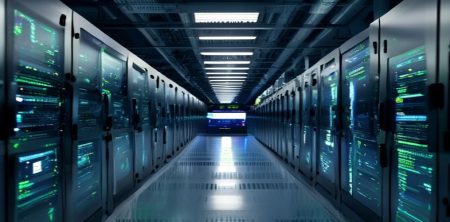
Meta's data center campus in Altoona is a testament to the industrial scale of AI development. Spread over numerous acres, the site is a complex of interconnected buildings, each hosting thousands of servers designed to handle massive data loads. This physical presence makes it clear that AI isn't merely a software-centric operation; it's a resource-intensive endeavor that requires vast amounts of electricity, cooling systems, and space. The sheer scale of this facility can be overwhelming, illustrating the logistical challenges that tech giants face in their quest to push the boundaries of machine learning.
When you think of AI, it’s easy to envision sleek algorithms processing data in the cloud. However, the reality is that these algorithms rely on powerful hardware that operates 24/7, processing and learning from vast datasets. The Altoona campus is equipped with cutting-edge technology and infrastructure, designed to provide the computational power necessary for training advanced AI models. This not only includes the physical servers, but also the sophisticated cooling systems that ensure optimal performance and longevity of the equipment.
The Investment in AI Capabilities
Meta’s commitment to expanding its AI data center operations underscores the importance of investing in computing capacity to support next-generation machine learning. This level of investment signals a clear recognition that the future of AI hinges on the ability to train models with unprecedented efficiency and effectiveness. With the demand for AI capabilities increasing across sectors—from healthcare to transportation to entertainment—Meta’s investment is a strategic move to remain competitive, ensuring they can develop more sophisticated AI applications.
According to industry reports, Meta has allocated billions of dollars to improve its data centers over the next several years. This financial commitment not only expands their computing capabilities but also enhances their ability to innovate continuously. AI requires vast amounts of data for training, and as these models grow in complexity, Meta's data centers will need to evolve to meet these demands.
Understanding AI: More Than Just Software
The visit to the Altoona AI data center provides an eye-opening perspective on the physical nature of AI. Many people perceive AI as an ethereal concept, something that exists solely in the realm of code and can be accessed instantly via the internet. However, seeing the rows upon rows of servers, each working tirelessly to process and analyze data, brings a new understanding of the technology. It’s not as intangible as it often seems; instead, it requires a substantial amount of physical resources to operate effectively.
This realization can be startling for those who associate AI with simple software solutions. The fact that AI requires such enormous infrastructure challenges the notion that machine learning is lightweight or easy to deploy. It’s a reminder that behind the algorithms and applications we interact with daily, there’s a complex web of physical systems that facilitate their performance.
Environmental Impact and Sustainability Concerns
While the advancements in AI technology are impressive, they also raise questions about environmental sustainability. The operation of massive AI data centers consumes a considerable amount of electricity, leading to concerns about carbon footprints and resource utilization. As Meta expands its operations, it faces the challenge of balancing technological progress with environmental responsibility.
Meta has publicly committed to renewable energy initiatives, aiming to power its data centers with 100% renewable energy sources. This approach not only reduces the environmental impact but also sets a precedent for other tech companies to follow. However, the scale of energy consumption associated with AI operations remains a pressing issue, prompting ongoing discussions about how the industry can innovate sustainably.
The Role of AI in Everyday Life
As we unravel the complexities of AI, it’s essential to consider its implications in our daily lives. AI technologies, powered by vast data centers like the one in Altoona, are already influencing a multitude of sectors. From personalized recommendations on streaming platforms to advanced medical diagnostics, the applications are as diverse as they are impactful. (See: Meta's AI Data Center Overview.)
For instance, when you receive a movie recommendation on a platform like Netflix, a sophisticated AI model has analyzed your viewing history and preferences, drawing from vast datasets to provide insights that feel personalized. Similarly, in healthcare, AI models trained on extensive medical data sets can assist doctors in diagnosing diseases more accurately, streamlining treatment plans based on individual patient information.
The Future of AI Development
Looking ahead, the evolution of AI technology will likely hinge on the capabilities of data centers like Meta's in Altoona. As AI models become increasingly sophisticated and data-driven, there’s an unending need for more computational power and efficiency. The development of quantum computing, for example, could radically change the landscape of AI, offering unprecedented processing speeds and capabilities.
In this context, Meta’s continued investment in its AI data center operations exemplifies a forward-thinking approach to technology. By understanding the physical limitations and requirements of AI, developers can innovate more effectively, leading to breakthroughs that can reshape the future. From autonomous systems to intelligent personal assistants, the potential applications are boundless.
AI Ethics and Governance
As AI becomes more integrated into society, ethical considerations surrounding its development and deployment will be crucial. The physical nature of AI data centers raises questions about data privacy, security, and the ethical implications of algorithm biases. Meta, like other tech giants, will need to address these concerns proactively, ensuring that their technologies are developed with transparency and accountability.
For instance, as AI models are trained on vast datasets, there’s a risk of perpetuating existing biases present in the data. This underscores the importance of not only diversifying datasets but also implementing robust governance frameworks that prioritize ethical considerations in AI development. The responsibility lies with tech companies to ensure that AI systems are designed to serve all members of society fairly and justly.
Engaging the Public's Curiosity
The curiosity surrounding AI and its capabilities often stems from a desire to understand not just how it works, but also its implications for our future. The visit to Meta's AI data center demystifies some of the complexities associated with AI and makes the technology more accessible to the general public. By exposing the physical infrastructure that supports AI, there’s an opportunity to engage people in meaningful conversations about the technology that will shape our lives.
Furthermore, as more individuals become aware of the resource-intensive nature of AI, it could prompt a shift in how society perceives and interacts with technology. Instead of viewing AI as an abstract concept, people may begin to appreciate the intricacies and challenges involved in its development and deployment.
AI Data Centers: The Backbone of Innovation
The concept of AI data centers transcends mere computation. They are the very foundation upon which innovation and progress in AI are built. Each server in these centers is a node in a vast network of interconnected capabilities, enabling the processing of immense amounts of data in real time. For instance, consider how AI is used in financial markets: algorithms analyze stock prices, trading volumes, and market sentiment within split seconds, and they rely on the speed and efficiency of these data centers to perform optimally.
Moreover, AI data centers support a range of services from machine learning model training to real-time data analytics, showcasing the versatility of their applications. For example, Google has reported that its AI infrastructure allows it to handle more than 3.5 billion searches per day, showcasing the importance of robust data centers in maintaining such vast operations.
Comparing Data Centers: Meta vs. Competitors
When discussing AI data centers, it’s essential to consider how Meta's approach compares to other tech giants. Companies like Google, Amazon, and Microsoft also invest heavily in AI infrastructure, but their strategies differ in various ways. For instance, Google has focused on developing TensorFlow, an open-source AI framework, which enhances collaboration and accessibility for developers worldwide. In contrast, Meta's investments are more concentrated on optimizing its existing data centers to support specific AI initiatives. (See: Research on AI Infrastructure.)
Amazon Web Services (AWS) offers scalable cloud computing services that allow businesses to leverage powerful AI capabilities without needing extensive physical infrastructure. This model allows smaller companies to access AI resources without the substantial investment required for traditional data centers. Comparing these different approaches allows us to understand the competitive landscape and how companies are positioning themselves in the AI arena. (Google's AI infrastructure deal)
The Role of AI in Emerging Technologies
AI data centers are not only pivotal for current advancements but also for emerging technologies. Consider the rise of 5G networks: the speed and reliability offered by 5G will enable AI applications to process data at unprecedented rates, from autonomous vehicles to smart cities. Data centers will play a crucial role in managing the influx of data generated by connected devices in these environments.
Similarly, the Internet of Things (IoT) relies on robust data infrastructures to manage and analyze data from millions of devices. AI algorithms can enhance the efficiency of IoT applications by predicting patterns and enabling proactive responses. This interdependence between AI data centers and emerging technologies illustrates the foundational role they will play in shaping our technological future.
The Financial Implications of AI Data Centers
Investing in AI data centers is not just about supporting technological advancements; it also has significant financial implications. Large-scale data centers require substantial upfront investments, but they can yield tremendous returns in operational efficiency and service offerings. A report by IDC predicts that companies investing in AI data center capabilities could see a return on investment (ROI) of up to 300% over five years. This financial incentive drives competition among tech giants to enhance their infrastructure continuously.
Moreover, as operational costs decline due to improved efficiencies and economies of scale, organizations can invest more in research and development, further propelling innovation. This dynamic creates a virtuous cycle where enhanced capabilities lead to more investment, resulting in a competitive edge in the AI landscape.
Future Trends in AI Data Centers
As we move deeper into the 21st century, several trends are emerging in AI data center operations. The integration of edge computing, for example, is becoming increasingly prevalent. Edge computing involves processing data closer to its source rather than relying solely on centralized data centers. This approach reduces latency, speeds up processing times, and enhances the overall user experience for AI applications.
Additionally, the rise of AI ethics and governance frameworks will shape the landscape of AI data centers. Companies are beginning to realize that responsible AI use must be prioritized. This includes transparency in algorithms, data security, and ethical considerations in model training. AI data centers will need to adapt to these changing requirements, ensuring they meet regulatory and public expectations. Related reading: impact of AI on education.
FAQ about AI Data Centers
What is an AI data center?
An AI data center is a facility specifically designed to house the necessary hardware and infrastructure to support artificial intelligence workloads. These centers are equipped with powerful servers, storage systems, and networking capabilities to process vast amounts of data required for AI algorithms.
How do AI data centers differ from traditional data centers?
While traditional data centers may support a variety of IT workloads, AI data centers are optimized for machine learning and deep learning tasks. This includes higher computational power, specialized hardware such as GPUs, and advanced cooling systems to manage the heat generated by intense processing. (See: AI and Occupational Health.)
Are all AI data centers the same?
No, AI data centers can vary significantly based on their design, scale, and specific use cases. Some may focus on cloud-based services allowing for flexible scaling, while others may serve dedicated tasks for a single organization, such as Meta's data center in Altoona.
What role do AI data centers play in machine learning?
AI data centers provide the necessary infrastructure to train machine learning models effectively. This includes the ability to handle large datasets and perform complex computations required for training and inference processes associated with AI applications.
How do environmental concerns affect AI data centers?
AI data centers consume significant energy, which raises concerns about their environmental impact. Companies are increasingly adopting renewable energy sources and optimizing their operations to be more energy-efficient to mitigate these concerns.
Can smaller companies utilize AI data centers?
Yes, many companies now access AI capabilities through cloud services offered by major providers like Amazon, Google, and Microsoft. This allows smaller organizations to leverage powerful AI technologies without needing to invest in building their own data centers.
How are data centers evolving to handle increased AI workloads?
Data centers are evolving by incorporating more advanced technologies such as liquid cooling systems, energy-efficient hardware, and AI-driven management software. These innovations help improve performance, reduce energy consumption, and manage the growing demands of AI workloads more effectively.
What are the security challenges associated with AI data centers?
Security challenges include data breaches, unauthorized access, and the potential misuse of AI technologies. As data centers handle sensitive information, implementing robust cybersecurity measures is crucial to protect against these threats. This involves encryption, access controls, and continuous monitoring of network activity.
Embracing the Future of AI Data Centers
The exploration of Meta's AI data center highlights the physical and resource-intensive nature of AI technology, challenging preconceived notions of machine learning as a lightweight digital phenomenon. As AI continues to evolve and permeate various aspects of our lives, understanding the infrastructure that supports it becomes increasingly important. With ongoing investments in data centers and a focus on ethical considerations, the future of AI looks promising. Engaging with this technology means not only leveraging its capabilities but also acknowledging the substantial efforts behind its development.
```
Trending Now
- read the full story
- “How to Encourage Parallel Play in Toddlers Who Prefer Solitary Activities”
- our breakdown of “should i be worried if my 3 year old still engages in parallel play?”
- the complete explanation
- our breakdown of “parallel play vs. solitary play: understanding parten’s stages of play”
Frequently Asked Questions
What is Meta's AI data center in Altoona?
Meta's AI data center in Altoona is a vast facility designed to support the company's artificial intelligence initiatives. It features interconnected buildings housing thousands of servers, emphasizing the physical infrastructure necessary for AI development and the processing of large datasets.
How does Meta's data center support AI development?
Meta's data center supports AI development by providing the necessary computational power and resources. It houses advanced servers and cooling systems that operate continuously to process and learn from extensive datasets, which are crucial for training sophisticated AI models.
What technologies are used in Meta's AI data center?
Meta's AI data center utilizes cutting-edge technology, including high-performance servers and advanced cooling systems. These technologies ensure optimal performance and longevity of the hardware, enabling the efficient processing of large volumes of data for AI applications.
Why is physical infrastructure important for AI?
Physical infrastructure is vital for AI because it supports the massive computational requirements needed for training machine learning models. AI development relies heavily on powerful hardware, electricity, and cooling systems, which are all essential for efficient data processing and system performance.
What challenges do tech giants face in AI development?
Tech giants face logistical challenges in AI development, including the need for substantial physical resources like space, power, and cooling systems. The scale of operations required to support advanced AI initiatives presents complexities in infrastructure management and sustainability.
Agree or disagree? Drop a comment and tell us what you think.

