```html
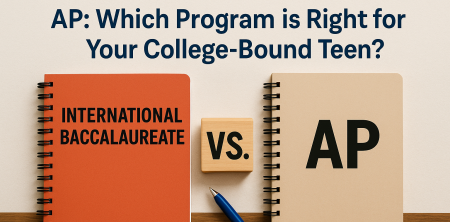
The decision on what academic program to pursue in high school can have lasting implications for your child's educational journey and college applications. For many parents and students, the choice often boils down to two rigorous options: the International Baccalaureate (IB) and Advanced Placement (AP) programs. Each offers unique advantages and challenges, making it essential to understand the nuances between them. This guide explores the key aspects of the International Baccalaureate vs AP debate to help you make an informed choice for your college-bound teen.
1. Introduction to IB and AP Programs
The International Baccalaureate (IB) program is an internationally recognized curriculum that emphasizes critical thinking, global awareness, and intercultural understanding. Founded in 1968 in Geneva, Switzerland, the IB aims to develop inquiring, knowledgeable, and caring young people who are motivated to succeed. The program offers three levels: the Primary Years Program (PYP), Middle Years Program (MYP), and Diploma Program (DP), with the DP being geared towards high school students.
On the other hand, Advanced Placement (AP) is a U.S.-based program created by the College Board in 1955. It offers college-level courses and exams to high school students, allowing them to earn college credit. AP courses are widely available across high schools in the United States, and students can choose from a variety of subjects ranging from calculus to psychology. The primary goal is to provide students with a taste of college-level work and the opportunity to enhance their college applications.
2. Curriculum Structure: A Comparative Overview
The curriculum structure of the IB and AP programs showcases their distinct educational philosophies. The IB Diploma Program encompasses six subject groups, including languages, social studies, the sciences, and arts, along with the core components of Theory of Knowledge (TOK), Extended Essay (EE), and Creativity, Activity, Service (CAS). This holistic approach encourages students to engage with a broad range of disciplines, promoting a well-rounded education.
In contrast, AP courses are primarily focused on individual subjects. Students can choose to take as many or as few AP classes as they desire, which allows for greater flexibility in tailoring their education to specific interests. Each AP course culminates in a standardized exam that scores students on a scale from 1 to 5, with many colleges granting credit for scores of 3 and above. This straightforward structure appeals to students who prefer to specialize in subjects that enhance their college applications.
3. Assessment Methods: Evaluating Student Performance
Assessment methods in the IB program are comprehensive and multifaceted. In addition to final exams, which account for a portion of the overall grade, students must complete internal assessments (IA) throughout the course, such as projects and presentations. The combination of external and internal assessments encourages continuous learning and provides students with opportunities to demonstrate their knowledge in various formats.
AP assessments, however, are primarily based on a single standardized exam at the end of the course. While some AP courses may include projects or assignments that contribute to a student’s overall grade, the final exam ultimately determines the score and, by extension, whether college credit is awarded. This consolidated assessment system can be appealing for students who thrive under pressure and prefer a clear-cut evaluation method.
4. College Recognition and Credit Transfer
When weighing the International Baccalaureate vs AP, college recognition is a critical factor. Most colleges in the United States recognize both programs, but their policies on credit transfer can differ significantly. Many institutions grant college credit for AP scores of 3 or higher, but the specific AP classes and the amount of credit awarded vary by school.
The IB program, particularly the DP, is also widely recognized, especially by international universities. In some cases, students may receive credit or advanced standing for particular IB subjects, especially if they achieve a grade of 5 or higher. Additionally, the IB is regarded as a rigorous program, which can enhance a student's application in the eyes of admissions officers.
5. Global Perspective vs. Local Context
A distinguishing feature of the International Baccalaureate program is its emphasis on global awareness and international education. The IB fosters a mindset that encourages students to think beyond their local context and consider global issues, making it an attractive option for those interested in international relations, global studies, or multicultural experiences. Its curriculum is designed to cultivate empathy and understanding among students from diverse backgrounds.
Conversely, the AP program is more localized, with a curriculum tailored to meet the educational standards and expectations of U.S. colleges and universities. While AP courses can certainly provide an excellent foundation for students interested in global subjects, they tend to focus more on mastering the content of specific subjects rather than encouraging an expansive worldview. For students who thrive on a localized and specialized approach, AP might be the way to go. (See: International Baccalaureate overview.)
6. Workload and Time Commitment
Both IB and AP programs demand significant time and effort from students, but the workload can vary greatly between the two. The IB Diploma Program is often viewed as more rigorous, requiring students to take six subjects, complete an Extended Essay, and fulfill TOK and CAS requirements. This breadth of study often means that students have a heavier workload, which some may find overwhelming while others may thrive in such an environment.
In comparison, AP courses can be taken individually, allowing students to manage their workloads more flexibly. Students can choose to take only a couple of AP classes alongside regular courses, which can alleviate some pressure. However, it’s crucial to note that the intensity of AP courses can still be challenging, as they aim to mimic college-level coursework and can require substantial independent study.
7. Social and Emotional Factors
When considering the International Baccalaureate vs AP, it's important to think about the social and emotional aspects of each program. The IB program encourages collaboration among students through group projects, discussions, and community service initiatives. This collaborative environment fosters strong relationships and helps students develop essential teamwork skills, which can be valuable in both college and future careers.
On the other hand, AP courses may create a more competitive atmosphere, as students might focus on outperforming their peers to achieve high scores on standardized exams. While this competitive edge can motivate some students, it may lead to stress and burnout for others. It’s essential to consider your child’s personality and how they respond to different learning environments when making your decision.
8. Cost Considerations
Cost can also play a role in the decision-making process when evaluating IB and AP programs. The IB program often requires a higher tuition fee, especially at private schools or international institutions that offer the full diploma program. Additionally, students may incur fees for registration, exams, and materials. However, many schools offer financial aid or scholarships to help alleviate these costs.
Conversely, AP courses typically do not have extra tuition costs associated with them, as they are often included in the standard high school curriculum. Students only need to pay for the cost of the exam if they choose to take it. This can make the AP program a more accessible option for families concerned about budgeting for their child’s education.
9. Making the Right Choice for Your Teen
Ultimately, the choice between the International Baccalaureate and AP programs depends on your child’s individual needs, strengths, and aspirations. If your teen is looking for a more holistic, globally minded education and is willing to take on a more rigorous workload, the IB program could be a great fit. Conversely, if they prefer subject specialization and a potentially less intense academic pressure, AP might be the right choice. Related reading: complete comparison of IB and AP.
Engaging your child in this decision-making process is crucial. Have open discussions about their interests, goals, and what they hope to gain from their high school experience. Connecting with school counselors, teachers, and current students can also provide valuable insights into what each program entails. Making a well-informed choice will set the foundation for your child's success in college and beyond.
10. Comparative Statistics: AP vs. IB Participation Rates
Understanding the participation rates in AP and IB programs can provide more context for your decision. According to the College Board, approximately 2.8 million students took AP exams in the 2022-2023 school year, reflecting a robust interest in this program. Meanwhile, the IB program has seen significant growth as well, with around 1.5 million students worldwide enrolled in IB programs as of the latest data. This increase reflects a growing recognition of the value that both programs provide in preparing students for higher education and global citizenship.
It's worth noting that while AP is predominantly offered in the U.S., the IB program operates globally, which can influence the decision depending on where your family resides and your child's future aspirations. If your teen is considering studying abroad or attending an international university, the IB's international recognition could be advantageous.
11. Expert Perspectives on IB and AP
Experts in education often weigh in on the benefits and challenges associated with both IB and AP programs. Dr. Rebecca Adler, an education consultant, states, "The choice between IB and AP often comes down to a student's learning style. IB is fantastic for students who thrive in a collaborative environment and enjoy interdisciplinary learning. AP, on the other hand, is excellent for those who prefer exploring subjects in greater depth individually."
Similarly, Dr. Michael Thompson, an educational psychologist, emphasizes the importance of considering mental health when choosing between the two programs. “Both programs are rigorous and can create pressure. It’s vital for parents to gauge their child's resilience and ability to handle stress when making this decision.” (See: Educational programs and their impact.)
12. Frequently Asked Questions (FAQ)
What are the main differences between IB and AP programs?
The IB program offers a holistic education with a focus on global citizenship, critical thinking, and interdisciplinary learning. In contrast, AP courses focus on individual subjects with standardized assessments primarily at the end of the course.
Can students take both IB and AP courses?
Yes, some students may choose to take both IB and AP courses if their school offers them. However, this can result in a heavy workload and requires careful time management.
Which program is better for college admissions?
Both IB and AP are well-regarded by colleges and universities. The best choice depends on the student's learning style and career aspirations. IB may be more appealing to international schools, while AP is widely recognized in the U.S.
How does the grading system work for IB and AP?
IB uses a grading scale from 1 to 7 for its courses, while AP scores range from 1 to 5. Many colleges grant credit for IB scores of 5 and above, similar to AP scores of 3 and above.
Are there scholarships available for IB and AP students?
Yes, various scholarships are available for students enrolled in IB or AP programs, especially for those who demonstrate academic excellence and commitment. It's advisable to check with the school counselor for specific opportunities.
What support is available for students in IB and AP programs?
Both programs typically provide academic support through tutoring, mentorship, and access to counselors. Additionally, many high schools offer workshops to help students manage the demands of these rigorous programs.
How can parents support their children in IB or AP programs?
Parents can support their children by encouraging a balanced approach to studying, ensuring they have time for relaxation and extracurricular activities. Open communication about stress and workload management is also essential.
13. Future Career Pathways and Skills Development
Both the IB and AP programs equip students with crucial skills that can benefit them in their future careers. The IB’s focus on critical thinking, research, and international perspectives prepares students for a global job market. Graduates often find themselves well-suited for careers in fields like international relations, global business, and cultural studies.
AP courses, with their focus on specific subjects, can prepare students for more specialized career paths. For instance, a student who excels in AP Chemistry might pursue a career in medicine or engineering. By allowing students to take courses that align with their interests, AP can help them develop expertise in a particular field early on.
Ultimately, whether your child chooses IB or AP, both pathways can lead to successful outcomes in higher education and beyond. The skills learned in these programs—such as writing, research, analytical thinking, and time management—are invaluable in any career. For more on this, see which program suits you best.
14. Concluding Thoughts on the IB vs AP Debate
Choosing between the International Baccalaureate and AP programs isn’t merely about comparing their structures or college recognition; it’s about understanding which program aligns best with your child's unique abilities and future goals. It’s crucial to assess their interests, learning preferences, and long-term aspirations to make the most informed decision. With the right choice, your child can embark on a high school journey that not only prepares them for college but also for life beyond the classroom.
15. IB vs AP: The International Perspective
As globalization continues to shape education, understanding the international context of both IB and AP becomes increasingly important. The IB program has a clear international focus, with schools around the world offering it in various languages and cultural contexts. This global reach can be a significant advantage for students who may consider attending university outside the United States.
On the other hand, AP is primarily an American initiative. While it is recognized internationally, the focus remains rooted in the U.S. education system. Students looking to study abroad may find that IB better aligns with the admission requirements of many foreign universities, especially in Europe, where the emphasis on international qualifications is growing.
16. Real-World Applications of IB and AP Skills
Both programs intend to provide students with skills that are applicable beyond the classroom. For instance, the research and writing skills cultivated through the IB's Extended Essay can serve students well in university and later in professional environments where critical analysis is essential.
AP courses, especially those in subjects like AP Statistics or AP Calculus, can directly benefit students in STEM fields. The quantitative and analytical skills gained can be critical for success in technical disciplines. Students who excel in AP courses often find themselves better prepared for the types of rigorous analytical tasks they will encounter in college coursework in these areas.
17. Perspectives from Alumni: IB vs AP Experiences
Hearing from those who have experienced both can offer valuable insights. An IB graduate may share how the program's emphasis on critical thinking and research prepared them for the challenges of university life, whereas an AP graduate might highlight the depth of knowledge gained in specific subjects that helped them excel in their chosen field.
For example, Jane, an IB alumna, mentioned, "The TOK class taught me to question everything and approach problems from multiple angles, which has been invaluable in my philosophy degree." Meanwhile, John, who pursued AP courses, stated, "My AP Chemistry class was intense but set the foundation for my engineering studies. I felt ahead of the curve in my college courses." These testimonials illustrate how both programs can effectively prepare students for college and beyond.
18. Conclusion: Finding the Perfect Fit
As you navigate the decision between the International Baccalaureate and AP programs, keep in mind your child’s readiness and eagerness for the challenge. Regardless of whether they opt for the rigor of the IB or the focused study of AP, the critical takeaway is that both paths can lead to fulfilling and successful futures. Encourage them to explore their passions, and remember that the educational journey is just as important as the destination.
```
Trending Now
Frequently Asked Questions
What is the difference between International Baccalaureate and Advanced Placement?
The International Baccalaureate (IB) is an internationally recognized program emphasizing critical thinking and global awareness, while Advanced Placement (AP) is a U.S.-based program offering college-level courses and exams. IB has a holistic curriculum with core components, whereas AP focuses on specific subjects that allow students to earn college credit.
Which program is better for college admissions, IB or AP?
Both IB and AP programs are respected by colleges, but the choice depends on your child's learning style. IB offers a comprehensive curriculum that fosters critical thinking, while AP allows students to take individual courses. Admissions committees appreciate both, but the rigor and depth of IB may provide an edge in holistic reviews.
Is IB or AP more difficult?
The difficulty of IB and AP varies by student and course. The IB Diploma Program includes extensive requirements like Theory of Knowledge and the Extended Essay, which can be challenging. AP courses are rigorous as well but may focus more on exam preparation. Ultimately, the perceived difficulty depends on the student's strengths and interests.
Can students take both IB and AP courses?
Yes, students can take both IB and AP courses, depending on their school's offerings and their personal academic goals. Some schools may allow students to enroll in AP classes alongside the IB Diploma Program, providing a flexible approach to balancing rigorous coursework.
What are the benefits of the IB program?
The IB program offers several benefits, including a well-rounded education that emphasizes critical thinking, research skills, and intercultural understanding. It encourages students to engage in community service and develop a global perspective, which can enhance college applications and prepare them for success in higher education.
Agree or disagree? Drop a comment and tell us what you think.


0 Responses