```html
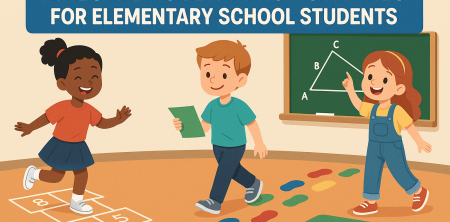
For many students, traditional learning methods can feel restrictive or uninspiring. Enter kinesthetic learning activities, a powerful educational approach that harnesses the natural inclination of children to move and engage with their environment. These hands-on activities not only make learning fun but also cater to the diverse learning styles present in today’s classrooms. This article will explore the essence of kinesthetic learning, practical activities for elementary students, and why these methods are vital for a well-rounded education.
What is Kinesthetic Learning?
Kinesthetic learning refers to a style of learning where individuals learn best through physical activities rather than sitting through lectures or reading texts. This form of learning engages students' senses and motor skills, facilitating deeper understanding and retention of information. Research has shown that incorporating movement into the learning process can enhance memory, boost motivation, and improve overall academic performance.
According to educational psychologist Howard Gardner, who introduced the theory of multiple intelligences, bodily-kinesthetic intelligence is one of the key modalities through which students can grasp concepts effectively. Thus, kinesthetic learning activities are not merely supplementary; they're essential in catering to the needs of all learners.
The Importance of Kinesthetic Learning Activities
Why should educators and parents embrace kinesthetic learning activities? The answer is straightforward: these activities tap into the innate curiosity and energy of elementary school students. Here are some significant advantages of this learning approach:
- Enhances Engagement: When students are physically involved in their learning, they are more engaged and less likely to lose focus. Activities that encourage movement can combat the boredom often associated with traditional learning.
- Improves Retention: Studies have indicated that physical activity can improve memory retention. By involving students in hands-on activities, educators can help them remember concepts better.
- Cater to Diverse Learning Styles: Not all students learn the same way. Kinesthetic activities allow for differentiation in instruction, meeting the needs of various learners, including those who may struggle with auditory or visual methods.
- Promotes Cooperation: Many kinesthetic activities are collaborative, fostering teamwork and communication skills among students.
- Encourages Physical Health: With increasing concerns about sedentary behavior in children, incorporating movement into learning contributes to their physical well-being.
Examples of Kinesthetic Learning Activities
Now that we understand the significance of kinesthetic learning activities, let’s dive into some practical examples that elementary teachers can implement in their classrooms. These activities are designed to be fun and educational, ensuring that students not only learn but enjoy the process.
1. Movement-Based Math
Transform math lessons into a lively activity by using movement. One effective method is to create a math scavenger hunt. Place math problems around the classroom or playground, and assign students to solve them as they move from one location to another. This can include problems that require measurement, basic operations, or even geometry, depending on grade level.
2. Science Experiments
Hands-on science experiments are a fantastic way to engage kinesthetic learners. For example, creating a simple volcano using baking soda and vinegar involves not just observation but also participation. Students can measure ingredients, mix them, and witness the reaction, making the learning experience memorable.
3. Interactive Storytelling
Why not bring stories to life? During a reading session, assign roles to students for a story. They can act out parts, use props, or even create movement patterns that reflect the plot's developments. This not only enhances their understanding of narrative but also builds confidence and public speaking skills.
4. Body Spelling
Enhance vocabulary and spelling practices through body movements. Have students form letters with their bodies or create word formations in small groups. This visual and physical combination helps with letter recognition and spelling skills while keeping students active.
5. History Reenactments
Learning about history can come alive through reenactments. Select significant events and have students portray historical figures or act out events from different perspectives. This not only makes history relatable but also allows students to actively participate in their learning. (See: Kinesthetic learning on Wikipedia.)
6. Arts and Crafts Integration
Integrating arts and crafts into lessons can make learning enjoyable. For instance, when teaching about habitats, students can create dioramas using various materials. This tactile approach helps them understand concepts while expressing their creativity.
7. Nature Walks and Observations
Take learning outside the classroom. Nature walks can provide students with a hands-on experience in science, particularly in life sciences or ecology. Have them observe plants, animals, and their surroundings, and then engage in discussions or projects based on their observations.
8. Team Sports for Physical Education
Incorporate sports into physical education classes not just for physical fitness but as a way to teach teamwork, strategy, and fair play. Sports can be a powerful medium for students to learn discipline and cooperation while developing kinesthetic skills.
9. Technology Integration
With the rise of educational technology, many kinesthetic learning activities can now be enhanced through apps and games. Utilize platforms that promote active involvement, such as coding games that require physical movement, or interactive math applications that encourage problem-solving through movement.
10. Mindfulness and Movement Breaks
Incorporating mindfulness exercises alongside movement breaks can recharge students’ minds and bodies. Simple yoga poses or stretching can help students reset, improve focus, and relieve stress, ultimately making them more receptive to learning.
How to Implement Kinesthetic Learning Activities in the Classroom
Implementing kinesthetic learning activities doesn’t have to be daunting. Here are some practical steps for teachers looking to incorporate these engaging methods into their daily curriculum:
- Assess Student Needs: Understand the learning styles of your students. Encourage them to express their preferences, which can guide you in selecting appropriate activities.
- Plan Lessons Around Movement: When designing lessons, look for opportunities to integrate movement. Whether it’s transitioning between activities or including short physical tasks, keep the momentum going.
- Create a Flexible Environment: Arrange your classroom to accommodate movement. Clear spaces for active projects or group activities can enhance engagement.
- Encourage Collaboration: Kinesthetic activities often work best in groups. Design tasks that require collaboration, ensuring that all students participate and contribute.
- Reflect and Adapt: After implementing kinesthetic activities, reflect on their effectiveness. Gather feedback from students and adjust accordingly to meet their learning needs.
Barriers to Kinesthetic Learning and How to Overcome Them
While the benefits of kinesthetic learning activities are clear, some challenges may arise when attempting to implement them. Understanding and addressing these barriers can help create a more effective learning environment.
- Space Constraints: Some classrooms may lack adequate space for movement. To overcome this, consider using outdoor spaces when weather permits or rearranging furniture to create open areas for activities.
- Curriculum Limitations: Teachers may feel pressured to adhere strictly to curriculum guidelines. However, integrating movement into existing lessons can often enhance the objectives rather than detract from them.
- Classroom Management: Managing a classroom during active learning can pose challenges. Establish clear rules and expectations prior to engaging in activities to maintain a focused and respectful environment.
- Time Constraints: Educators often have limited time to cover the curriculum. However, consider that kinesthetic activities can be brief yet impactful, allowing for effective learning without extending time commitments.
Current Trends in Kinesthetic Learning
The landscape of education is evolving, and kinesthetic learning activities are increasingly being recognized for their value. Educators are finding innovative ways to integrate technology with physical activity, creating dynamic learning experiences. Here are some current trends:
- Flexible Seating Models: Many classrooms are adopting flexible seating arrangements, allowing students to choose where and how they learn best, often leading to increased movement and engagement.
- Integration of Augmented Reality (AR): AR is being used to provide interactive learning experiences that combine physical movement with digital information, enhancing kinesthetic learning.
- Focus on Social-Emotional Learning (SEL): Many kinesthetic activities promote teamwork and collaboration, aligning with the goals of SEL initiatives to foster a supportive learning environment.
- Community Learning Environments: Schools are increasingly partnering with local organizations to create community-based kinesthetic activities that connect classroom learning to real-world experiences.
Real-World Applications of Kinesthetic Learning
Kinesthetic learning activities extend beyond the classroom and can be applied in various real-world contexts. Understanding how these activities can be leveraged in different environments is crucial for reinforcing the skills learned in school.
1. Sports and Athletics
Sports programs are a natural fit for kinesthetic learning. Coaches can integrate lessons on teamwork, strategy, and discipline through games and drills. For instance, a soccer coach can teach players about spatial awareness while they practice dribbling and passing. Such activities not only enhance their physical abilities but also bolster their understanding of game dynamics.
2. Hands-On Workshops
Workshops that involve crafting, building, or creating allow individuals to learn by doing. For example, a woodworking class can teach students about measurements and geometry through practical application. As they measure, cut, and assemble, they not only learn skills but also develop a tangible understanding of the concepts behind woodworking. (See: CDC on health and academic success.)
3. Theater and Performing Arts
Participation in theater provides an excellent opportunity for kinesthetic learning. Actors learn lines, practice blocking, and develop character movements. These physical activities enhance memory retention and comprehension of narrative structure. Moreover, performing arts encourage students to explore creativity while building self-confidence and collaboration skills.
4. Outdoor Education
Outdoor education programs utilize nature as a classroom. Activities such as hiking, camping, and environmental stewardship involve physical engagement with the environment. Students can learn about ecosystems, biology, and geology through hands-on experiences like plant identification or soil testing, allowing them to connect classroom theories to the natural world.
Expert Perspectives on Kinesthetic Learning
To gain further insight into the importance of kinesthetic learning activities, we can look at expert opinions. Many educators, psychologists, and child development specialists advocate for active learning methods:
Dr. Jean Piaget
Pioneering developmental psychologist Jean Piaget emphasized that children learn best through active exploration. He argued that children construct knowledge through their experiences and interactions with the world around them. This perspective supports the notion that kinesthetic activities are essential for cognitive development.
Dr. Maria Montessori
Dr. Maria Montessori, known for her educational philosophy, believed in the importance of hands-on learning and sensory experiences. Her approach encourages children to engage in movement and exploration, aligning perfectly with kinesthetic learning principles. Montessori classrooms often feature activities that allow students to touch, manipulate, and experiment, reinforcing their understanding of concepts.
Dr. John Medina
In his book "Brain Rules," Dr. John Medina discusses the impact of movement on brain function. He mentions that exercise stimulates brain development and enhances learning capacity. Medina’s research highlights how the incorporation of movement in learning environments can lead to improved brain function and better academic outcomes.
FAQ about Kinesthetic Learning Activities
What age groups benefit most from kinesthetic learning activities?
Kinesthetic learning activities are beneficial for all age groups, but they are particularly effective for younger students in elementary school who have higher energy levels and shorter attention spans. As they grow older, incorporating movement into learning can still be valuable, especially in middle and high school settings.
How can parents support kinesthetic learning at home?
Parents can support kinesthetic learning by providing opportunities for active engagement at home. This can include cooking together, engaging in DIY projects, or playing educational games that require movement. Encouraging outdoor play and exploration also promotes kinesthetic learning outside of the classroom.
Can kinesthetic learning be integrated with technology?
Absolutely! Technology can enhance kinesthetic learning through interactive applications and games that require physical movement. For example, virtual reality experiences can immerse students in learning environments where they must physically interact with objects to solve problems or complete tasks.
Are there specific subjects that benefit more from kinesthetic learning?
While kinesthetic learning can enhance any subject, it is particularly effective in subjects like science, math, and physical education. Subjects that involve physical concepts, like physics or biology, also greatly benefit from hands-on activities and movement-based learning opportunities. (See: NIH on learning and treatment.)
How do I measure the effectiveness of kinesthetic learning activities?
Measuring effectiveness can be done through various methods, such as observing student engagement during activities, assessing retention through quizzes or projects, and gathering feedback from students about their learning experiences. Comparing academic performance before and after implementing kinesthetic activities can also provide insights into their impact.
Future of Kinesthetic Learning Activities
As we move further into the 21st century, the role of kinesthetic learning activities will likely expand even more. With the integration of technology, educators will find new ways to engage students through movement. For example, the use of virtual reality (VR) and augmented reality (AR) can create immersive environments where students can explore subjects like history or science through physical interaction.
1. Virtual Reality Experiences
Imagine students stepping into a VR program that places them in ancient Rome, allowing them to walk the streets, interact with historical figures, and experience daily life as it was centuries ago. Such immersive experiences can make historical events more relatable and engaging, reinforcing both kinesthetic learning and historical knowledge.
2. Gamification of Learning
Gamification is another trend that pairs well with kinesthetic activities. By turning learning into a game, educators can motivate students to participate actively. For instance, implementing a point system for completing physical challenges tied to learning objectives could enhance student engagement while promoting healthy competition among peers.
3. Community and Collaborative Learning
As schools increasingly partner with community organizations, the opportunities for kinesthetic learning will grow. Programs that involve local museums, theaters, and nature reserves can provide students with hands-on experiences that link classroom concepts to real-world applications, deepening their understanding and appreciation of their surroundings.
4. Lifelong Learning Skills
Finally, the emphasis on kinesthetic learning activities can help in developing skills that extend beyond academia. Critical thinking, problem-solving, and collaboration are essential skills for the workforce. By fostering an environment where movement and learning coexist, educators can better prepare students for future careers in a dynamic world.
Conclusion
Kinesthetic learning activities are not just a novel approach to education; they are a necessary component of effective teaching in elementary schools. By embracing movement and hands-on experiences, educators can foster a more engaging, inclusive, and effective learning environment. As we look ahead, the integration of kinesthetic activities will continue to play a critical role in shaping how students learn, grow, and develop into lifelong learners.
```
Trending Now
Frequently Asked Questions
What are kinesthetic learning activities?
Kinesthetic learning activities are hands-on educational experiences that allow students to learn through physical movement and sensory engagement. These activities encourage interaction with the environment, helping students grasp concepts effectively while catering to various learning styles.
Why is kinesthetic learning important for elementary students?
Kinesthetic learning is crucial for elementary students as it enhances engagement, improves retention, and caters to their natural inclination to move. This approach helps combat boredom and allows students to connect with the material in a more meaningful way.
How can teachers implement kinesthetic learning in the classroom?
Teachers can implement kinesthetic learning by incorporating activities such as role-playing, interactive games, and hands-on experiments. These methods encourage movement and participation, making lessons more dynamic and effective for all students.
What are some examples of kinesthetic activities for kids?
Examples of kinesthetic activities for kids include scavenger hunts, building projects with blocks, educational games that involve movement, and outdoor learning experiences like nature walks. These activities help reinforce learning through physical engagement.
How does kinesthetic learning benefit student performance?
Kinesthetic learning benefits student performance by enhancing memory retention, boosting motivation, and improving focus. Research shows that students who engage in physical activities while learning tend to perform better academically and retain information more effectively.
Have you experienced this yourself? We'd love to hear your story in the comments.

