```html
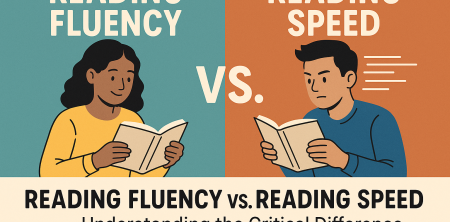
When it comes to academic success, understanding the nuances between reading fluency vs reading speed can transform a student's learning experience. While many people often conflate these two concepts, each plays a unique role in the development of proficient reading skills. In this article, we’ll explore the critical differences between reading fluency and reading speed, their importance in educational settings, and practical strategies to enhance both.
1. Defining Reading Fluency
Reading fluency encompasses a reader's ability to read a text smoothly and accurately while understanding its meaning. It involves not just the speed at which one reads but also the natural flow, expression, and comprehension of the text. A fluent reader can decode words quickly and effectively, which allows them to focus on what the text is conveying rather than merely working through the mechanics of reading.
Fluency is typically assessed by evaluating three key components: accuracy (correctly reading words), rate (the speed of reading), and prosody (the rhythm and intonation of speech). Research indicates that students who demonstrate strong reading fluency tend to have better overall comprehension skills, making it a foundational element in literacy development.
2. Understanding Reading Speed
Unlike fluency, reading speed is solely concerned with how quickly a person can read a passage of text. This is usually measured in words per minute (WPM). While speed is an important aspect of reading, focusing solely on this metric can lead to deficits in comprehension. A student may be able to read a text quickly but without proper understanding of its content, which is detrimental to their overall learning.
Reading speed can be improved through various techniques, such as skimming and scanning, but it’s crucial to remember that speed alone does not equate to proficiency. Speed readers often sacrifice comprehension for the sake of pace, which can hinder their ability to engage with the material meaningfully.
3. The Interplay Between Fluency and Speed
While reading fluency and reading speed are distinct, they are closely related. A fluent reader typically reads at a faster pace than a non-fluent reader. However, it’s important to recognize that improving speed does not automatically enhance fluency. In fact, forcing a reader to focus solely on speed can lead to a decrease in fluency and comprehension.
Effective reading interventions should target both fluency and speed, with an emphasis on comprehending the material. The balance between these two aspects is crucial; educators must strive to develop programs that enhance a student's ability to read quickly without sacrificing understanding.
4. The Role of Comprehension in Reading
At the heart of reading fluency vs reading speed is comprehension. Without the ability to understand what is being read, speed and fluency become moot points. Research shows that fluent readers are better equipped to grasp complex ideas and narratives, enabling them to critically engage with the text.
To enhance comprehension, students should be encouraged to practice reading with a focus on understanding the content rather than just completing the text. Activities that involve summarizing, questioning, and discussing the material can reinforce comprehension skills. Educators should also model fluent reading, demonstrating how prosody and expression contribute to understanding.
5. Assessment Methods for Fluency and Speed
Assessing reading fluency and speed can be done through various methods. Standardized tests often measure reading speed in WPM, but a more comprehensive assessment includes evaluating fluency through oral reading assessments. Tools like the DIBELS (Dynamic Indicators of Basic Early Literacy Skills) are commonly used in schools to monitor fluency.
Teachers can also conduct informal assessments, such as running records, where they listen to students read aloud, noting their accuracy, pace, and expression. These assessments can help identify areas where students may be struggling and guide targeted interventions. Moreover, using technology—for instance, speech recognition software—can provide immediate feedback on fluency and speed, enabling personalized learning experiences.
6. Effective Strategies to Enhance Reading Fluency
Improving reading fluency requires intentional practice and the implementation of evidence-based strategies. One effective method is repeated reading, where students read the same passage multiple times. This practice not only builds confidence but also reinforces word recognition and enhances fluency. (See: Reading fluency and comprehension.)
Another effective strategy is paired reading, where a more fluent reader reads alongside a less fluent reader. This allows the less fluent reader to hear the proper pacing and expression, which can enhance their own reading abilities. Additionally, incorporating engaging texts that match students' interests can motivate them to read more frequently, naturally improving their fluency over time.
7. Speed Reading: Pros and Cons
Speed reading is a popular technique that claims to improve reading speed through various methods, such as minimizing subvocalization and using visual scanning techniques. While proponents argue that it can significantly enhance reading speed, critics caution that it often comes at the expense of comprehension.
Many educational experts recommend against focusing solely on speed reading, especially for younger students or those still developing foundational reading skills. Instead, students should work on building a solid foundation of fluency and comprehension before attempting to increase their reading speed. This ensures that they retain the ability to understand and engage with texts meaningfully.
8. The Importance of Context in Reading
Context plays a significant role in both reading fluency and speed. Different types of texts demand varying levels of fluency and speed. For instance, reading a novel may require a different approach than skimming a research paper. Understanding the purpose of reading—whether for enjoyment, information, or analysis—can help students adjust their reading strategies accordingly.
Educators can facilitate this by providing diverse reading materials and contexts, encouraging students to practice reading in various genres and formats. This exposure not only helps improve fluency and speed but also fosters a deeper appreciation for the written word.
9. Current Relevance in Education
As educational systems continue to evolve, the discussion surrounding reading fluency vs reading speed remains critically relevant. In an age where digital literacy is paramount, students are often required to read and comprehend large volumes of information quickly. This raises the stakes for both fluency and speed.
Recent studies emphasize the necessity for educators to adopt comprehensive literacy programs that not only enhance reading skills but also prepare students for the demands of a fast-paced information society. Integrating reading fluency and comprehension into curricula, alongside teaching speed, can equip learners with the skills they need to succeed academically and professionally.
10. Final Thoughts on Reading Fluency and Speed
Understanding the difference between reading fluency and reading speed is essential for educators aiming to foster a love of reading and ensure student success. By emphasizing fluency over mere speed, teachers can help students develop robust reading skills that contribute to long-term academic achievement. Moreover, moving beyond the confines of traditional reading assessments and incorporating diverse reading strategies can create a more engaging and effective literacy environment.
Ultimately, as we navigate the complexities of literacy in today's world, striking a balance between fluency and speed will empower students to become not only proficient readers but also critical thinkers who can thrive in any context. By prioritizing comprehension alongside these skills, educators can lay the groundwork for a generation of learners who are well-equipped to tackle the challenges of the future.
11. Reading Fluency vs Reading Speed: Key Differences
To summarize the critical differences between reading fluency and reading speed, it’s helpful to visualize them on a spectrum. On one side, reading fluency represents a holistic approach to reading, integrating not only speed but also comprehension and expression. On the other side, reading speed focuses purely on the rate of reading, often overlooking the nuances of understanding and retention.
For example, a student who reads at 200 WPM may be considered fast, but if they struggle to recall key points from the text, their reading speed alone isn’t beneficial. Conversely, a student who reads at 100 WPM but accurately conveys and discusses the text shows that fluency is more impactful than speed alone.
12. Practical Applications of Improving Reading Fluency and Speed
In real-world situations, the implications of reading fluency and speed can be profound. For instance, professionals in fields like law, medicine, and academia often need to process large amounts of information quickly. Enhancing reading fluency allows these individuals to not only read faster but also understand and retain vital information, which is critical in high-stakes environments.
In classrooms, teachers can implement reading fluency exercises alongside speed drills. For example, timed readings can help students monitor their speed while comprehension questions can ensure they grasp the material. Classroom discussions that focus on both speed and fluency can cultivate a more rounded approach to reading.
13. Statistics on Reading Fluency and Speed
Recent research sheds light on the importance of reading fluency in educational success. A study by the National Assessment of Educational Progress found that students who demonstrate proficient reading fluency are significantly more likely to perform well in reading comprehension tests. Specifically, 75% of fluent readers scored at or above the proficient level, compared to just 25% of non-fluent readers. (See: Importance of reading fluency.)
In examining reading speed, a report indicated that the average college student reads at about 300-400 WPM. However, studies show that effective comprehension typically occurs at rates between 150-200 WPM. This suggests that while speed is valuable, it should not overshadow the importance of fluency and understanding.
14. Expert Perspectives on Reading Fluency and Speed
Experts in literacy education often emphasize the need for a balanced approach to teaching reading. Dr. Timothy Rasinski, a leading researcher in reading fluency, argues that fluency is a bridge between decoding and comprehension. He suggests that educators incorporate repeated reading, performance reading, and peer-assisted learning to develop fluency effectively.
On the flip side, speed reading expert Tony Buzan asserts that while speed reading techniques can be beneficial, they should not compromise comprehension. He encourages readers to find a balance between speed and understanding to ensure that information is not just processed quickly but also retained and utilized effectively.
15. Frequently Asked Questions (FAQ)
What is more important, reading fluency or reading speed?
While both are important, reading fluency holds more weight because it encompasses comprehension and expression alongside speed. Without fluency, high reading speed may lead to poor understanding of the text.
How can I improve my reading fluency?
Practices such as repeated reading, engaging in discussions about the text, and listening to fluent readers can significantly enhance your reading fluency. It’s also helpful to read aloud regularly.
Is speed reading a useful skill?
Speed reading can be a useful skill in certain contexts, especially when skimming for information. However, it’s crucial to develop a solid foundation of reading fluency and comprehension first to ensure meaningful engagement with texts.
Can children benefit from speed reading techniques?
While speed reading techniques can be introduced to older children or adolescents, they should prioritize developing reading fluency and comprehension first. Younger children benefit more from a focus on these foundational skills.
How does reading fluency impact overall academic performance?
Reading fluency is closely linked to academic performance. Students who read fluently tend to perform better in all subjects because they can absorb information quickly and engage more deeply with complex material.
Are there specific tools to help assess reading fluency and speed?
Yes, tools like DIBELS, running records, and various digital platforms can help assess reading fluency and speed. Some educational software also provides real-time feedback and tailored reading exercises.
What age should children start focusing on reading fluency and speed?
Children can begin focusing on reading fluency and speed as early as kindergarten, but it’s essential to tailor the approaches to their developmental level. Emphasis should be on fluency first, gradually introducing speed techniques as they become more adept at reading.
16. Additional Strategies to Enhance Reading Fluency and Speed
Besides the strategies already discussed, there are more ways to cultivate reading fluency and speed in students. One highly effective method is the use of technology. Educational apps and online platforms can provide personalized reading practice tailored to a student's specific needs. For instance, some platforms offer games that focus on vocabulary and comprehension, making learning more engaging. (See: Research on reading speed and fluency.)
Another innovative approach is to incorporate music into reading practice. Research indicates that background music can improve focus and retention. Educators could use rhythmic texts that align with music to help students practice their reading fluency. This method not only makes learning fun but also helps students internalize the natural rhythm of fluent reading.
Visualization techniques can also aid in developing both fluency and speed. Encouraging students to visualize the content as they read can enhance comprehension. This method prompts them to create mental images of the text, making the material more relatable and easier to recall later.
17. Reading Fluency in Different Cultures
It's important to recognize that reading fluency and speed can be influenced by cultural factors. For example, different languages have varying structures and levels of complexity, which can affect how fluently one reads. In some cultures, oral storytelling traditions may emphasize different aspects of reading fluency compared to cultures where silent reading is the norm.
In multilingual settings, students may face challenges that impact their fluency and speed. They may switch between languages while reading, which can hinder their ability to develop strong reading skills in any one language. Educators should be aware of these dynamics and provide support tailored to the unique needs of their diverse classrooms.
18. Long-Term Benefits of Reading Fluency and Speed
Investing time in improving reading fluency and speed can lead to long-term benefits that extend beyond the classroom. Research shows that proficient readers are more likely to engage in lifelong learning and pursue higher education. Strong reading skills correlate with better job prospects and the ability to adapt to new job roles that require continuous learning.
Moreover, individuals with high reading fluency often have better critical thinking skills. They can analyze and synthesize information effectively, making them valuable assets in any team or organization. In a world where information is abundant and ever-changing, the ability to read fluently and quickly can set individuals apart in their personal and professional lives.
19. Creating a Supportive Reading Environment
To foster an environment that promotes reading fluency and speed, it’s essential to create a supportive atmosphere. This can involve setting aside specific times for reading, ensuring access to a variety of texts, and encouraging family involvement in reading activities. When families engage in discussions about books, children are more likely to develop a love for reading.
Additionally, schools can host reading challenges or book clubs to motivate students. These initiatives can create a sense of community around reading, making it an enjoyable and collaborative experience rather than a chore.
20. Conclusion
In summary, understanding the distinction between reading fluency and reading speed is vital for effective literacy instruction. By equipping students with the skills to read fluently while also developing their speed, educators can foster a generation of confident readers. This balanced approach not only enhances their academic performance but also prepares them for the demands of a fast-paced world. Whether through technology, innovative practices, or a supportive environment, the goal remains to guide students toward becoming proficient readers who can navigate the complexities of information with ease.
```
Trending Now
Frequently Asked Questions
What is the difference between reading fluency and reading speed?
Reading fluency refers to the ability to read smoothly and accurately while comprehending the text, involving accuracy, rate, and prosody. In contrast, reading speed focuses solely on how fast a person can read, typically measured in words per minute. Understanding this distinction is crucial for developing effective reading skills.
Why is reading fluency important for students?
Reading fluency is vital for students as it enhances their overall comprehension skills. Fluent readers can decode words quickly, allowing them to focus on understanding the text's meaning rather than struggling with mechanics. This foundational skill significantly contributes to academic success and literacy development.
How can reading speed be improved?
Reading speed can be improved through techniques such as skimming and scanning, which enable readers to process information more quickly. However, it's important to balance speed with comprehension, as focusing solely on reading fast can lead to misunderstanding the content.
Can you be a fast reader without being fluent?
Yes, it is possible to be a fast reader without being fluent. A person may read quickly but may not grasp the meaning of the text, leading to poor comprehension. Therefore, achieving a balance between reading speed and fluency is essential for effective reading.
What are the key components of reading fluency?
The key components of reading fluency include accuracy, which is the correct reading of words; rate, which is the speed of reading; and prosody, which refers to the rhythm and intonation of speech. Together, these elements contribute to a reader's ability to understand the text better.
Have you experienced this yourself? We'd love to hear your story in the comments.

