```html
The development of reading skills in elementary school is a crucial milestone in a child's educational journey. Educators and researchers continuously seek effective methods to support young learners, especially as they transition from learning to read to reading to learn. One of the most influential frameworks guiding this process is the zone of proximal development (ZPD). This concept, introduced by psychologist Lev Vygotsky, emphasizes the potential growth a child can achieve with appropriate support. But how does this idea translate into practical scaffolding techniques in the realm of elementary reading? This article delves into the ZPD, exploring its implications for teaching reading and providing actionable insights for educators.
Understanding the Zone of Proximal Development
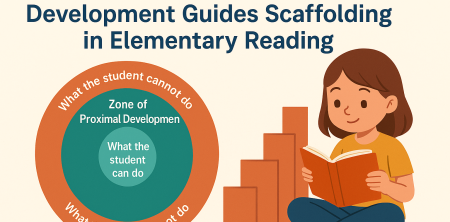
At the heart of Vygotsky's theory lies the zone of proximal development. The ZPD refers to the difference between what a learner can do independently and what they can achieve with guidance from a more knowledgeable person, such as a teacher or a peer. This framework underscores the importance of social interaction in cognitive development.
Vygotsky posited that learning is inherently social, and the ZPD provides a roadmap for educators to tailor instruction. By identifying the specific skills and knowledge a child can acquire with assistance, teachers can create more personalized learning experiences. For instance, if a student can decode simple words but struggles with comprehension, targeted scaffolding can help bridge that gap.
The Role of Scaffolding in Learning
Scaffolding refers to the support and guidance provided to learners as they work to master new concepts. Much like scaffolding used in construction, educational scaffolding is temporary and intended to be removed once the learner has gained sufficient independence. In the context of reading, effective scaffolding can take many forms, including direct instruction, modeling, and collaborative learning opportunities.
Research indicates that scaffolding is particularly effective when it aligns with a child's ZPD. By assessing where a student is in their reading development, educators can deploy appropriate strategies to foster growth. For example, if a child is reading at a first-grade level but is expected to perform at a second-grade level, the teacher might use guided reading sessions to help the child progress.
Key Scaffolding Techniques for Reading Instruction
Understanding the ZPD is just the starting point; implementing effective scaffolding strategies is where the real impact lies. Here are several key techniques educators can employ to support elementary reading development:
- Modeling: Demonstrating reading strategies, such as making predictions or summarizing, provides a clear example for students to follow. This technique can help students understand how to approach texts.
- Questioning: Engaging students with open-ended questions encourages critical thinking and deeper comprehension. Questions should be tailored to the child's understanding, gradually increasing in complexity as they progress.
- Think-Alouds: Teachers can verbalize their thought processes while reading, offering insights into how experienced readers navigate texts. This method helps students develop their metacognitive skills.
- Collaborative Learning: Group activities that promote peer interaction can effectively scaffold reading. Students can learn from each other’s strategies and insights, providing a richer learning experience.
- Graphic Organizers: Visual aids can help students organize their thoughts and understand relationships between concepts. These tools can be particularly helpful for visual learners.
Assessing Student Readiness
Effective scaffolding hinges on accurately assessing a student's readiness to learn. This involves determining their current reading level and understanding their capabilities within the zone of proximal development. Various assessment tools, such as running records, fluency checklists, and comprehension quizzes, can help educators gauge a child's skills.
Additionally, informal assessments, like observing students during reading activities or noting their responses to text, can provide valuable insights. These assessments should be ongoing, allowing teachers to adjust their scaffolding methods based on the child's evolving needs.
Creating a Supportive Learning Environment
Fostering a positive, supportive learning environment is vital for effective scaffolding. Children need to feel safe and encouraged to take risks in their learning. Here are some strategies to create such an environment:
- Encourage a Growth Mindset: Teach students that intelligence and skills can develop through effort and practice. Celebrating small successes can motivate them to tackle challenges.
- Build Relationships: Establish strong connections with students to enhance trust and communication. A supportive teacher-student relationship can significantly impact a child's willingness to engage in learning.
- Provide Varied Reading Materials: Offering a diverse range of texts can cater to different interests and reading levels, making reading more engaging and relevant for students.
- Incorporate Technology: Using digital tools and resources can enhance engagement and provide alternative methods for students to interact with texts.
The Impact of Scaffolding on Reading Development
Numerous studies have demonstrated the positive effects of scaffolding on reading development. When educators effectively use the zone of proximal development to guide their scaffolding strategies, students tend to show marked improvements in their reading skills. (See: Zone of Proximal Development on Wikipedia.)
For instance, a longitudinal study conducted by the Institute of Education Sciences found that students who received targeted scaffolding in reading not only improved their decoding skills but also demonstrated enhanced comprehension. This study highlighted the importance of aligning instruction with students' ZPD to achieve optimal results.
Challenges in Implementing Scaffolding
Despite its proven benefits, implementing scaffolding can come with challenges. Teachers may struggle to find the right balance between providing support and fostering independence. Over-scaffolding can lead to dependency, while under-scaffolding may leave students feeling lost.
Another challenge is the varying levels of readiness among students in a single classroom. Differentiating instruction to address each child’s unique ZPD requires careful planning and a deep understanding of each student's capabilities. Training and ongoing professional development can help educators refine their scaffolding techniques and adapt to the diverse needs of their students.
Current Relevance and Future Directions
As education continues to evolve, the principles of the zone of proximal development and scaffolding remain highly relevant. With the rise of remote and hybrid learning models, educators face new challenges in providing effective support. Understanding how to adapt scaffolding techniques to online formats is crucial for maintaining student engagement and growth.
Furthermore, current trends in education emphasize personalized learning. Educators are increasingly focusing on tailoring instruction to meet individual student needs, making the ZPD an essential framework in today’s classrooms. Investing in professional development programs and resources can equip teachers with the skills necessary to implement effective scaffolding strategies.
Deeper Insights into the Zone of Proximal Development
The ZPD not only applies to reading but can be adapted across various subjects and learning contexts. For example, in mathematics, the ZPD can help determine how a child can solve problems with assistance versus independently. This framework is vital for understanding how to effectively introduce new mathematical concepts through guided practice and peer interaction.
Additionally, the ZPD encourages educators to consider cultural and contextual factors affecting student learning. Children from diverse backgrounds may have different experiences and prior knowledge that influence their ZPD. This understanding can help teachers create more inclusive learning environments that respect and integrate students’ cultural contexts into their teaching practices.
Statistics Supporting the ZPD Framework
Recent research has provided compelling statistics underscoring the effectiveness of utilizing the ZPD in educational settings. A study published in the Journal of Educational Psychology revealed that students who received instruction tailored to their ZPD improved their reading scores by an average of 1.5 grade levels within a single academic year.
Moreover, data from the National Center for Education Statistics indicates that schools implementing scaffolding strategies based on the ZPD framework experience lower dropout rates, as students feel more competent and engaged in their learning processes. These findings reinforce the idea that personalized learning environments not only enhance academic performance but also foster a greater sense of belonging and motivation among students.
Expert Perspectives on the Zone of Proximal Development
Education experts often emphasize the importance of the ZPD in instructional design. Dr. Linda Darling-Hammond, a prominent education researcher, argues that understanding a child's ZPD is crucial for effective teaching. She notes, "When teachers are attuned to where students are in their learning journey, they can provide the right level of challenge and support necessary for growth."
Another expert, Dr. Richard Elmore, highlights the role of collaboration in learning within the ZPD. He suggests that peer interactions can significantly enhance the learning experience, as students often gain insights from each other that they might not receive from direct instruction alone. This focus on collaboration reflects Vygotsky’s belief in the social nature of learning and the importance of community in education.
Practical Strategies for Educators
To effectively incorporate the principles of the ZPD into classroom instruction, educators can employ several practical strategies. Here are some actionable ideas: (See: CDC on learning and development.)
- Flexible Grouping: Organize students into groups based on their ZPD. This allows for targeted instruction and ensures that students receive the appropriate level of challenge.
- Peer Tutoring: Pair students who have mastered certain skills with those who are still developing. This not only fosters a positive learning environment but also reinforces understanding for both the tutor and the learner.
- Use of Technology: Implement adaptive learning software that tailors reading materials to each student's ZPD. This technology can provide immediate feedback and adjust difficulty levels as students progress.
- Regular Reflection: Encourage students to reflect on their learning experiences and set personal goals. This practice helps them become more aware of their own ZPD and fosters self-directed learning.
Frequently Asked Questions
1. What is the Zone of Proximal Development?
The Zone of Proximal Development (ZPD) is a concept developed by Lev Vygotsky that describes the range of tasks that a learner can perform with guidance but not yet independently. It emphasizes the role of social interaction in learning.
2. How can teachers identify a student's ZPD?
Teachers can identify a student's ZPD through various assessment methods, including formal tests, classroom observations, and discussions with the student about their prior knowledge and skills. Regular assessments help monitor progress and adjust instruction accordingly.
3. How does scaffolding relate to the ZPD?
Scaffolding is the support provided to students to help them achieve tasks within their ZPD. It involves offering guidance, resources, and strategies that enable students to develop skills and knowledge they cannot yet acquire independently.
4. Can the ZPD be applied outside of reading instruction?
Absolutely! The ZPD can be applied across various subjects, including math, science, and social studies. It is relevant in any context where learning occurs and where a student benefits from guidance and support.
5. What are some effective scaffolding strategies for reading?
Effective scaffolding strategies for reading include modeling reading strategies, using think-alouds, engaging in collaborative learning, providing graphic organizers, and asking open-ended questions, all tailored to the student's ZPD.
The Intersection of ZPD and Socio-Emotional Learning
When educators consider the zone of proximal development, it’s essential to recognize the connection between cognitive growth and socio-emotional learning (SEL). Children learn best when they feel emotionally supported and secure. Establishing a positive classroom climate can directly influence a child's ability to engage in their ZPD.
Developing socio-emotional skills, like self-awareness, self-management, and interpersonal skills, enhances a child's learning experience. For example, students who can manage their emotions and build positive relationships with peers are more likely to participate in collaborative learning activities, thereby expanding their ZPD.
Additionally, SEL strategies can be integrated into reading instruction. For instance, discussing characters' emotions and motivations in a story can help students develop empathy while also improving comprehension. This dual focus on cognitive and emotional aspects can create a more holistic approach to teaching.
Community Involvement and the ZPD
Community engagement can play a significant role in supporting students' ZPD. When families, caregivers, and community members are involved in a child's education, they can provide additional resources and support that help bridge the gap between what a child can do independently and with assistance.
For example, schools can organize workshops that educate parents on how to assist their children at home. By equipping families with strategies to support reading development, the community can reinforce the scaffolding provided in the classroom. This collaborative effort not only strengthens the child's learning experience but also fosters a sense of belonging and support that is crucial for emotional well-being.
Integrating ZPD with Culturally Responsive Teaching
Culturally responsive teaching (CRT) is an approach that recognizes the importance of including students' cultural references in all aspects of learning. Integrating CRT with the ZPD can help educators better understand and support their students’ unique learning needs.
By acknowledging the cultural backgrounds and experiences of students, teachers can adapt their scaffolding techniques to align more closely with what students bring to the classroom. For instance, using culturally relevant texts can engage students more deeply, enhancing their motivation to read and learn.
Furthermore, when educators use the ZPD in conjunction with CRT, they can create learning experiences that are not only academically enriching but also affirming for students' identities. This combination can lead to increased academic success and improved self-esteem among diverse learners.
Future Research Directions in ZPD
Research into the zone of proximal development continues to evolve. Future studies may explore how the integration of technology in classrooms affects the ZPD, particularly in remote or hybrid learning environments. Understanding how digital tools can facilitate or hinder scaffolding is crucial as education increasingly incorporates technology.
Additionally, more research is needed on how different cultural contexts affect the ZPD. This exploration could lead to the development of more tailored approaches that respect and incorporate diverse learning styles and backgrounds.
Conclusion: Embracing the ZPD in Reading Instruction
Incorporating the zone of proximal development into reading instruction offers a powerful pathway to foster a love for reading and support skill development in elementary students. By leveraging effective scaffolding techniques, educators can create personalized learning experiences that resonate with each child’s unique needs and capabilities. This approach not only enhances reading skills but also cultivates a sense of confidence and independence in young learners.
Ultimately, the enduring legacy of Vygotsky's theory lies in its ability to guide educators toward creating dynamic, responsive learning environments where every child can thrive. As we continue to explore the complexities of reading development, the ZPD will remain a cornerstone of effective teaching practices, ensuring that all students have the opportunity to reach their full potential.
```
Trending Now
Frequently Asked Questions
What is the Zone of Proximal Development in education?
The Zone of Proximal Development (ZPD) is a concept by Vygotsky that highlights the gap between what a learner can do independently and what they can achieve with guidance. It emphasizes the importance of social interaction in learning, allowing educators to tailor instruction to support children's growth effectively.
How does scaffolding support reading development?
Scaffolding provides temporary support to learners as they master new reading concepts. This can include direct instruction, modeling, and collaborative learning. As students gain proficiency, these supports are gradually removed, promoting independence in reading skills.
What are some examples of scaffolding techniques in reading?
Examples of scaffolding techniques in reading include guided reading sessions, think-aloud strategies, peer collaboration, and using graphic organizers. These methods help bridge gaps in understanding and foster skills such as decoding and comprehension.
Why is social interaction important in the Zone of Proximal Development?
Social interaction is crucial in the ZPD because it facilitates learning through collaboration and guidance. Vygotsky believed that learners benefit from engaging with more knowledgeable peers or teachers, which enhances their cognitive development and understanding of new concepts.
How can teachers identify a child's ZPD?
Teachers can identify a child's ZPD by assessing their current skills and understanding which concepts they can grasp with assistance. Observations, informal assessments, and discussions with the child can help determine their specific learning needs and the appropriate scaffolding required.
What did we miss? Let us know in the comments and join the conversation.

