```html
Teaching young children the concept of reciprocity in preschool is essential for their social, emotional, and cognitive development. Through play, educators can effectively introduce and reinforce these critical skills, setting a strong foundation for the future. This article will explore the importance of reciprocity, how play fosters these behaviors, and practical strategies for educators and parents to implement in preschool and kindergarten settings.
Understanding Reciprocity
Reciprocity refers to the mutual exchange of privileges or actions whereby one person's behavior influences another's in a social context. In early childhood education, reciprocity is about teaching children the importance of give-and-take in relationships, whether they're sharing toys, cooperating on tasks, or solving conflicts. This concept is fundamental, as it lays the groundwork for effective communication, empathy, and teamwork.
According to developmental psychologists, children begin to understand reciprocity around the age of two. They start recognizing that their actions can affect others and begin to engage in basic cooperative play. By nurturing these skills further, educators can help children cultivate stronger interpersonal relationships throughout their lives.
The Role of Play in Learning
Play is often described as the "work" of children. It serves as a vital mechanism through which preschoolers learn about their world, including social norms, emotional regulation, and problem-solving skills. The American Academy of Pediatrics highlights that play enhances cognitive abilities and fosters social skills, making it an invaluable tool for teaching reciprocity in preschool.
In a play environment, children naturally engage in reciprocal interactions, negotiating rules, taking turns, and collaborating on shared activities. These interactions not only promote social bonding but also enhance children's understanding of reciprocity. For example, a child sharing a toy learns that by giving, they often receive something in return—be it another toy, a turn with a game, or even social approval.
Types of Play That Encourage Reciprocity
There are several types of play that can effectively teach children about reciprocity:
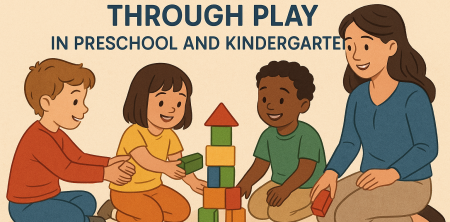
- Cooperative Play: This type of play involves children working together towards a common goal, such as building a fort or completing a puzzle. Such activities require negotiation and collaboration, allowing children to practice reciprocity in real-time.
- Role-Playing: Pretend play scenarios, where children take on different roles, provide excellent opportunities to explore reciprocal relationships. For instance, playing house can teach kids about sharing responsibilities and the give-and-take nature of family dynamics.
- Games with Rules: Structured games, such as tag or board games, necessitate taking turns and following rules, reinforcing the concept of reciprocity as players must rely on each other to succeed.
Each of these play types fosters an environment where children can practice and understand the importance of reciprocity, enhancing their social skills.
Practical Strategies for Educators
With a clear understanding of how play fosters reciprocity, educators can implement specific strategies to enhance these experiences in preschool and kindergarten classrooms:
- Model Reciprocal Behavior: Teachers should demonstrate reciprocal interactions through their own behavior. For instance, if a child shares a toy, acknowledging it and responding positively sets a precedent for how to engage in reciprocal relationships.
- Encourage Group Activities: Organizing group projects or collaborative tasks encourages children to work together. This could include art projects or science experiments where kids must communicate and share ideas.
- Facilitate Conflict Resolution: When conflicts arise, teachers can guide children in resolving disputes through discussion and negotiation, emphasizing the importance of compromise and understanding differing perspectives.
- Provide Diverse Materials: Having a variety of toys and educational materials available can stimulate creative play, allowing children more opportunities to engage with one another and practice reciprocity.
These strategies not only promote reciprocity but also create a vibrant and interactive classroom environment.
Incorporating Play in the Curriculum
Incorporating play into the curriculum is vital for instilling the principles of reciprocity. Here are some effective ways to integrate play across various educational activities: (See: Adolescent mental health and development.)
- Storytelling and Role Play: Using storytelling as a springboard for role play can help children understand different perspectives and the importance of reciprocal relationships. After reading a book, children can act out scenes, allowing them to explore characters' motivations and interactions.
- Interactive Learning Stations: Setting up different learning stations where children can explore various materials (craft supplies, building blocks, etc.) allows for independent play while also encouraging them to engage with peers.
- Themed Days: Organizing themed days where children can dress up and engage in interactive activities can make learning about reciprocity fun. For example, a 'community helper' theme could encourage children to role-play as doctors, firefighters, or teachers, facilitating cooperative interactions.
When play is effectively woven into the curriculum, it can become a powerful vehicle for teaching and reinforcing reciprocity.
The Role of Parents and Caregivers
While educators play an essential role in teaching reciprocity through play, parents and caregivers also have a significant influence. Here are some ways they can support this development at home:
- Model Reciprocal Interactions: Just like teachers, parents should model reciprocal behaviors during daily interactions. Simple acts of sharing and cooperation can dramatically influence a child's understanding of reciprocity.
- Encourage Shared Playdates: Organizing playdates where children can interact freely allows them to practice reciprocal behaviors in a safe environment. Parents can facilitate activities that require sharing and teamwork.
- Discuss Emotions: Encouraging children to express their feelings during play helps them learn empathy—a key component of reciprocity. Parents can ask open-ended questions about how their child felt during shared play experiences.
By working together, parents and educators can create a consistent message about the importance of reciprocity in preschool and kindergarten.
The Current Relevance of Teaching Reciprocity
As we navigate an increasingly interconnected world, teaching reciprocity has never been more critical. The rise of digital communication and social media has altered how children interact, often reducing face-to-face engagement. In this context, emphasizing the importance of reciprocity in preschool is essential for teaching children how to build meaningful relationships both online and offline.
Moreover, with the pressures of a competitive educational environment, fostering cooperation and a sense of community among children can help mitigate issues related to anxiety and isolation. As schools focus more on social-emotional learning, incorporating play-based approaches to teach reciprocity aligns with educational priorities, such as developing empathy, resilience, and collaboration skills.
The Long-Term Benefits of Learning Reciprocity
Understanding reciprocity isn't just beneficial for children in their preschool years; the lessons learned can have lasting impacts throughout their lives. Research has shown that children who learn to engage in reciprocal relationships early are more likely to develop valuable life skills such as teamwork, leadership, and conflict resolution. A study published in the Journal of Child Psychology and Psychiatry found that children with strong reciprocal skills exhibited higher levels of emotional intelligence, which is fundamental for academic and professional success later on.
Additionally, fostering a sense of reciprocity is linked to improved mental health outcomes. Children who can navigate relationships and understand the give-and-take of interactions tend to experience lower levels of anxiety and depression. They also show greater resilience in the face of challenges, as they have a support network built on mutual respect and understanding.
Engaging Children Through Technology
In today's digital age, technology can play a pivotal role in teaching reciprocity. Educational apps and games designed for group play can foster collaborative skills. For example, video games that require teamwork can mimic real-world scenarios where children must communicate, strategize, and support each other to achieve common goals. However, it's essential to monitor the quality of these interactions to ensure that they promote healthy social behaviors rather than encourage isolation.
Moreover, online platforms that encourage creativity, such as virtual art classes or music collaborations, can also provide opportunities for reciprocal interactions. Children can share their work, receive feedback, and learn to appreciate others’ contributions, reinforcing the concept of mutual exchange.
Common Challenges in Teaching Reciprocity
While teaching reciprocity is vital, educators and parents may encounter challenges. Some children may struggle with sharing or taking turns, especially if they have not had prior exposure to cooperative activities. Social anxiety can also hinder a child's ability to engage in reciprocal play. In these cases, it’s essential to be patient and proactive. Here are some strategies to overcome these challenges: (See: Mental health in childhood.)
- Start Small: Introduce the concept of reciprocity in low-pressure environments. Begin with simple activities where turn-taking is mandatory, such as passing a ball back and forth.
- Use Visuals: Children often respond well to visual cues. Use charts or pictures that illustrate sharing and turn-taking to help them understand the concepts better.
- Positive Reinforcement: Celebrate instances where children exhibit reciprocal behavior. Acknowledgment can incentivize them to continue these behaviors in the future.
- Incorporate Social Stories: Create or use existing social stories that depict various scenarios involving reciprocity. Discuss these stories with the children to help them relate the lessons to their own experiences.
Expert Perspectives on Reciprocity in Early Childhood
Experts in early childhood education emphasize the significance of teaching reciprocity. Dr. Jennifer Smith, a child psychologist, noted that “the ability to engage in reciprocal relationships is foundational for emotional development. Children who learn these skills early on are better prepared for academic settings where collaboration is critical.”
Similarly, Dr. Mark Johnson, an educator specializing in social-emotional learning, stresses the importance of creating a safe environment for children to explore reciprocity. “Children need to feel secure to practice sharing and cooperation. When they feel supported by adults, they're more likely to take risks in their interactions with peers.”
Frequently Asked Questions (FAQ)
What age should children start learning about reciprocity?
Children typically begin to grasp the basics of reciprocity around the age of two. However, the understanding and practice of these skills continue to develop through preschool and beyond.
How can parents reinforce reciprocity at home?
Parents can reinforce reciprocity by modeling sharing behaviors, facilitating playdates, and discussing emotions related to shared activities. Engaging in family games that require turn-taking is also a practical approach.
What types of play are best for teaching reciprocity?
Cooperative play, role-playing, and games with rules are particularly effective for teaching reciprocity. These types of play require children to interact, negotiate, and learn to share both resources and responsibilities.
Can technology help in teaching reciprocity?
Yes, certain educational apps and games can foster cooperative skills. However, it’s crucial to monitor screen time and ensure that technology is used in ways that encourage social interaction rather than isolation.
What if my child struggles with sharing?
If a child struggles with sharing, start with small activities that require turn-taking. Use positive reinforcement and visual aids to help them understand the importance of reciprocity in interactions.
Building Reciprocity through Diverse Activities
To further reinforce reciprocity, it’s essential to expose children to a variety of activities that require collaboration and teamwork. Here are a few additional suggestions:
- Cooking Together: Involving children in simple cooking tasks can teach them about cooperation. Assigning them specific roles (like mixing, measuring, or setting the table) can illustrate how everyone’s contribution is valuable and necessary.
- Gardening Projects: Working on a garden project allows children to learn about caring for living things while practicing sharing responsibilities. They can take turns watering plants or pulling weeds, creating a sense of teamwork.
- Community Service Activities: Involving children in community service, such as cleaning up a park or helping at a local shelter, teaches the importance of giving back and working together for a common cause.
Understanding the Neuroscience Behind Reciprocity
Understanding the brain's role in reciprocity can provide deeper insights into why these skills are essential to early childhood development. Research in neuroscience has shown that social interactions, including reciprocal exchanges, stimulate brain areas associated with emotional regulation and empathy. Engaging in reciprocal situations can trigger the release of oxytocin, often referred to as the "bonding hormone," which plays a critical role in forming social connections.
As children navigate reciprocal interactions, they practice emotional regulation, gaining skills that help them understand their feelings and the feelings of others. This biological basis underscores the importance of teaching reciprocity early in a child's development.
The Impact of Cultural Context on Reciprocity
The understanding and practice of reciprocity can vary significantly across different cultures. Some cultures may emphasize individualism, while others focus on collectivism. For instance, in collectivist societies, children may learn to engage in reciprocal interactions that reflect a strong sense of community and mutual support. In contrast, children from more individualistic cultures might need additional guidance to appreciate the value of collaboration and sharing.
Educators should recognize these cultural nuances and adapt their teaching methods accordingly. By incorporating culturally relevant activities that highlight the importance of reciprocity, teachers can create a more inclusive environment that respects diverse backgrounds.
The Continuous Learning Process of Reciprocity
It’s important to recognize that learning about reciprocity is a continuous process that evolves as children grow. While preschool is a crucial time for laying the foundation, these lessons can be revisited and reinforced throughout elementary school and beyond. Children will encounter various social dynamics as they enter new environments, such as elementary school and extracurricular activities, which may challenge their understanding of reciprocity.
Educators and parents should continue to engage in discussions about the importance of reciprocity, using real-life examples and role-playing to reinforce these concepts. Regular check-ins about their interactions with peers can also help children reflect on their behavior and understand reciprocity better.
Conclusion: The Lasting Impact of Reciprocity
Understanding and practicing reciprocity through play in preschool and kindergarten lays a foundational stone for children's future social interactions. By engaging in cooperative play, role-playing, and structured games, children learn invaluable skills that will serve them well throughout their lives. Educators and parents can foster these skills by creating nurturing environments that emphasize the importance of mutual exchange.
As children grow, the lessons learned through play will influence their ability to connect with others, resolve conflicts, and build lasting relationships. In an age where interpersonal skills are crucial for success, teaching reciprocity in preschool is not just beneficial; it is essential.
```
Trending Now
Frequently Asked Questions
What is reciprocity in early childhood education?
Reciprocity in early childhood education refers to the mutual exchange of privileges or actions, where one child's behavior influences another's. It is essential for developing social, emotional, and cognitive skills, teaching children the importance of give-and-take in relationships.
How does play help children learn about reciprocity?
Play helps children learn about reciprocity by providing a natural environment for reciprocal interactions. Through play, children negotiate rules, take turns, and collaborate, enhancing their understanding of social norms and cooperation, which are fundamental aspects of reciprocity.
At what age do children start to understand reciprocity?
Children typically begin to understand reciprocity around the age of two. At this stage, they start recognizing how their actions can affect others and engage in basic cooperative play, laying the groundwork for future interpersonal relationships.
Why is teaching reciprocity important in preschool?
Teaching reciprocity in preschool is crucial as it lays the foundation for effective communication, empathy, and teamwork. These skills are vital for children's social and emotional development and help them build stronger interpersonal relationships throughout their lives.
What strategies can educators use to teach reciprocity through play?
Educators can use various strategies to teach reciprocity through play, such as creating collaborative activities, facilitating turn-taking games, and encouraging children to share toys. These approaches foster reciprocal interactions and help children practice essential social skills in a supportive environment.
Agree or disagree? Drop a comment and tell us what you think.

