```html
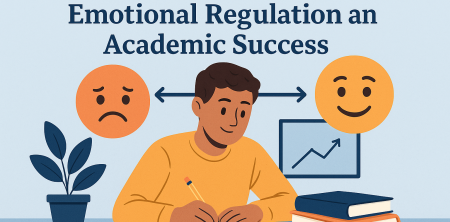
In today’s fast-paced education landscape, students face unprecedented challenges that can impact their academic performance. One of the most crucial yet often overlooked factors contributing to academic success is emotional regulation. Understanding the connection between emotional regulation and academic success not only highlights the importance of mental health in education but also provides actionable strategies for students, educators, and parents alike.
Understanding Emotional Regulation
Emotional regulation refers to the ability to manage one’s emotional responses effectively. This encompasses a variety of skills, ranging from recognizing emotions to controlling impulsive reactions. Research has shown that students who excel in emotional regulation tend to perform better academically. They can handle stress, adapt to new situations, and maintain motivation even in challenging environments.
At its core, emotional regulation is about awareness and control. Students who recognize their feelings and understand how these emotions influence their behavior are more likely to develop effective coping strategies. This self-awareness plays a pivotal role in how they approach their studies, interact with peers, and respond to setbacks.
The Impact of Emotions on Learning
It’s no secret that emotions can influence learning outcomes. Positive emotions can enhance creativity, motivation, and engagement in academic activities, while negative emotions like anxiety or frustration can hinder performance. Studies indicate that students who report higher levels of stress and anxiety are more likely to struggle with concentration and memory retrieval, which ultimately leads to poorer academic results.
Moreover, the emotional climate of a classroom has a significant impact on learning as well. A supportive, emotionally positive environment fosters collaboration and encouragement, while a hostile or overly competitive atmosphere can stifle student participation and initiative. In light of this, it becomes evident that fostering emotional regulation is not just beneficial for individual students; it can transform the entire educational environment.
Key Research Findings
Numerous studies illustrate the strong correlation between emotional regulation and academic success. For instance, a study published in the journal Emotion found that students with higher emotional intelligence—an integral part of emotional regulation—tend to achieve better grades and have lower dropout rates. Furthermore, emotional regulation skills have been linked to improved social skills and better relationships with peers and teachers, which are also critical components of a successful academic experience.
Another pivotal study conducted by researchers at the University of California revealed that students who participated in programs aimed at improving emotional regulation reported significant improvements in their overall academic performance. They not only excelled in their grades but also expressed increased confidence in their abilities to handle academic tasks.
Practical Strategies for Enhancing Emotional Regulation
While the connection between emotional regulation and academic success is clear, the question remains: how can students improve their emotional regulation skills? Here are some practical strategies:
- Mindfulness Practices: Mindfulness exercises, such as meditation and breathing techniques, help students become more aware of their emotions and reduce stress.
- Journaling: Keeping a journal allows students to express their feelings and reflect on their emotional responses, fostering self-awareness.
- Social Skills Training: Programs that enhance social-emotional skills can provide students with tools to manage their emotions and respond appropriately to social situations.
- Seek Support: Encouraging students to seek guidance from counselors or mentors can provide them with additional strategies for managing their emotions.
Implementing these strategies can lead to more effective emotional regulation, which in turn can pave the way for academic success.
The Role of Educators
Educators play a crucial role in fostering emotional regulation within the classroom. By creating a safe and supportive learning environment, teachers can help students develop these essential skills. Here are some ways educators can promote emotional regulation:
- Modeling Behavior: Teachers can model emotional regulation by demonstrating how they handle stress and emotional challenges in their own lives.
- Incorporating Social-Emotional Learning (SEL): Programs that include SEL can help students learn to recognize and manage their emotions effectively.
- Offering Choices: Providing students with choices in their learning can enhance their sense of autonomy, subsequently improving their emotional well-being.
- Establishing Strong Relationships: Building strong, supportive relationships with students fosters trust, making them more likely to open up about their emotional struggles.
When educators prioritize emotional regulation, they not only contribute to the personal growth of their students but also enhance the overall academic performance of their classrooms. (See: Emotional regulation and academic performance.)
Parental Involvement and Emotional Regulation
Parents also have a vital role in supporting their children’s emotional regulation. By fostering an emotionally healthy home environment, parents can equip their children with essential skills for academic success. Here are some strategies parents can implement:
- Encourage Open Communication: Creating a safe space for children to express their emotions without judgement helps them develop emotional awareness.
- Teach Problem-Solving Skills: Helping children learn how to navigate conflicts and challenges can improve their emotional resilience.
- Promote Healthy Coping Mechanisms: Parents should model and teach healthy coping strategies, such as exercise, creative outlets, or relaxation techniques.
- Stay Involved: Engaging in their child’s academic life can help parents identify emotional challenges that might be impacting their performance.
By working together, parents and educators can create a robust support system that nurtures emotional regulation and academic achievement.
Current Relevance in Education
The importance of emotional regulation in academic success has gained renewed attention, especially in the wake of the COVID-19 pandemic. With many students facing isolation, anxiety, and disruptions to their learning, there is an urgent need to address their emotional well-being. Schools are increasingly recognizing that mental health is just as important as academic performance.
Many institutions are integrating social-emotional learning programs into their curriculums, focusing on skills such as emotional regulation. These programs aim to equip students with the tools they need to manage their emotions effectively, thereby enhancing their academic capabilities.
Case Studies in Emotional Regulation Programs
Several schools have implemented successful emotional regulation programs that serve as models for others. For example, the Collaborative for Academic, Social, and Emotional Learning (CASEL) has worked with numerous districts to implement SEL initiatives. Schools participating in these programs have reported improvements in student behavior, academic performance, and overall school climate.
In another instance, a school in Chicago introduced a mindfulness program that included meditation and relaxation techniques. After just one academic year, students exhibited better emotional regulation, higher grades, and a reduction in disciplinary incidents.
Challenges and Barriers to Emotional Regulation
Despite the clear benefits, several barriers hinder the effective implementation of emotional regulation strategies in educational settings. Budget constraints often limit the availability of resources for mental health initiatives. Additionally, some educators may lack training in emotional regulation techniques, making it difficult for them to support students adequately.
Moreover, societal stigma surrounding mental health can discourage students from seeking help or participating in emotional regulation programs. To combat these challenges, it’s essential to advocate for more funding and resources dedicated to mental health in schools.
Looking Ahead: The Future of Emotional Regulation in Education
The future of education will likely place an even greater emphasis on the connection between emotional regulation and academic success. As we move forward, schools will continue to evolve, recognizing the integral role that emotional health plays in learning environments.
With increasing awareness of the psychological challenges that students face, educational institutions will need to develop comprehensive strategies that incorporate emotional regulation into their curriculums. This will not only enhance academic performance but also promote overall well-being among students, preparing them for success both inside and outside the classroom.
As students, educators, and parents work together to prioritize emotional regulation, we can create a more supportive, successful educational landscape that allows all students to thrive academically and emotionally.
Frequently Asked Questions About Emotional Regulation and Academic Success
What is emotional regulation?
Emotional regulation is the ability to effectively manage and respond to one's emotions. It involves recognizing emotional states, understanding their impact on behavior, and employing strategies to modify emotional responses in a healthy manner.
Why is emotional regulation important for academic success?
Emotional regulation is critical for academic success as it helps students manage stress, cope with failures, and maintain motivation. Students who can regulate their emotions are more likely to engage positively with their learning environment and perform better academically.
How can students improve their emotional regulation skills?
Students can enhance emotional regulation skills through mindfulness practices, journaling, social skills training, and seeking support from counselors or mentors. Regular self-reflection and practicing coping strategies also contribute to improved emotional regulation.
What role do teachers play in supporting emotional regulation?
Teachers can support emotional regulation by creating a safe and nurturing classroom environment, modeling emotional regulation strategies, integrating social-emotional learning into the curriculum, and fostering strong relationships with students.
What can parents do to help their children with emotional regulation?
Parents can encourage open communication, teach problem-solving skills, promote healthy coping mechanisms, and remain actively involved in their children's academic lives to support emotional regulation.
What are some signs that a student may struggle with emotional regulation?
Signs of difficulty with emotional regulation may include frequent mood swings, increased irritability, withdrawal from social interactions, difficulty concentrating in class, or sudden outbursts of anger or frustration.
How can schools implement effective emotional regulation programs?
Schools can implement effective emotional regulation programs by integrating social-emotional learning into the curriculum, providing training for educators, offering resources for mental health support, and fostering an inclusive and supportive school culture.
Emotional Regulation in Diverse Learning Environments
The concept of emotional regulation is particularly significant in diverse learning environments. Students come from varied backgrounds, cultures, and experiences that shape their emotional responses. A one-size-fits-all approach may not work, so understanding the unique emotional needs of each student is essential.
For instance, students from trauma-affected backgrounds may need more comprehensive emotional support compared to their peers. Tailored interventions that consider cultural contexts and individual histories can significantly improve emotional regulation and, consequently, academic success. Schools should strive to provide training for educators focused on cultural competency to create an empathetic and nurturing learning environment for all students.
Statistics on Emotional Regulation and Academic Success
Several studies back the link between emotional regulation and academic performance with compelling statistics. For example, a report from the National Center for Education Statistics indicated that students who engage in social-emotional learning programs show a 21% increase in academic performance compared to those who do not participate.
Additionally, a meta-analysis found that emotional intelligence, a key component of emotional regulation, accounts for 27% of academic performance variance. This highlights the critical need for schools to incorporate emotional regulation strategies into their curricula as essential elements of academic success.
Expert Perspectives on Emotional Regulation
Experts in psychology and education emphasize the importance of emotional regulation for student success. Dr. Daniel Goleman, a pioneer in emotional intelligence research, states, “Emotional intelligence is not a luxury; it is a necessity for academic and personal success.” He argues that emotionally intelligent students are better equipped to handle challenges, leading to higher engagement and persistence in learning tasks.
Furthermore, Dr. Marc Brackett, Director of the Yale Center for Emotional Intelligence, highlights that “emotionally literate students are more likely to thrive academically.” His work suggests that educational institutions that prioritize emotional skills tend to experience improved student outcomes, reduced behavior issues, and higher graduation rates.
Building Emotional Regulation Skills Through Extracurricular Activities
Extracurricular activities present a unique opportunity for students to enhance their emotional regulation skills. Participation in sports, music, or art allows students to express themselves creatively and emotionally, providing a constructive outlet for their feelings. These activities not only foster emotional awareness but also help build resilience as students learn to cope with wins and losses.
For example, being part of a sports team teaches students about teamwork, discipline, and perseverance, which are valuable emotional skills that translate to academic success. Additionally, engaging in artistic pursuits can help students process their emotions, reducing anxiety and promoting emotional clarity.
Peer Support and Emotional Regulation
Peer relationships significantly influence emotional regulation in students. Positive interactions with peers can enhance emotional well-being and regulate feelings of stress and anxiety. Schools can facilitate peer support groups that provide a safe space for students to share their experiences and emotions with one another.
Encouraging these support networks helps foster empathy among students and promotes a culture of emotional awareness. When students feel supported by their peers, they are more likely to engage constructively with their academic challenges, leading to improved performance.
Long-Term Benefits of Emotional Regulation
Developing emotional regulation skills does not just benefit students in their current academic endeavors; it also prepares them for future challenges. Individuals who can manage their emotions effectively are often better equipped to navigate the complexities of adult life, including workplace dynamics and personal relationships.
Studies have shown that adults with high emotional regulation skills tend to experience better job performance, improved mental health, and greater life satisfaction. Thus, fostering emotional regulation in students is an investment that pays dividends well into adulthood, highlighting the importance of integrating these skills into educational frameworks.
Conclusion: Bridging the Gap
As we look to the future, bridging the gap between emotional regulation and academic success is more critical than ever. The ongoing evolution of educational practices needs to prioritize emotional well-being alongside academic rigor. By equipping students with the skills to manage their emotions, we not only enhance their academic performance but also cultivate a generation of resilient, well-rounded individuals prepared for the challenges of life.
In this collaborative effort among students, educators, and parents, we can create holistic educational environments that recognize the importance of mental health, ultimately leading to greater academic success and emotional fulfillment. The journey toward emotional regulation and academic excellence is a shared responsibility, and it’s one that will benefit us all.
```
Trending Now
Frequently Asked Questions
How does emotional regulation affect academic performance?
Emotional regulation plays a crucial role in academic performance by helping students manage their emotional responses. Students who can effectively regulate their emotions tend to handle stress better, adapt to new situations, and maintain motivation, leading to improved academic outcomes.
What are the benefits of emotional regulation for students?
Students who excel in emotional regulation experience various benefits, including enhanced concentration, better coping strategies, and improved relationships with peers. These skills contribute to a more positive learning experience and higher academic success.
What impact do emotions have on learning?
Emotions significantly influence learning outcomes. Positive emotions can boost creativity and engagement, while negative emotions like anxiety can impair concentration and memory, ultimately hindering academic performance.
How can educators support emotional regulation in the classroom?
Educators can support emotional regulation by creating a positive classroom environment that encourages emotional expression and collaboration. Implementing strategies like mindfulness exercises and emotional check-ins can help students develop their emotional awareness and regulation skills.
What strategies can students use to improve emotional regulation?
Students can improve emotional regulation by practicing self-awareness techniques, such as journaling or mindfulness meditation. Identifying emotions and their triggers, developing coping strategies, and seeking support from peers or educators can also enhance their emotional regulation skills.
Agree or disagree? Drop a comment and tell us what you think.

