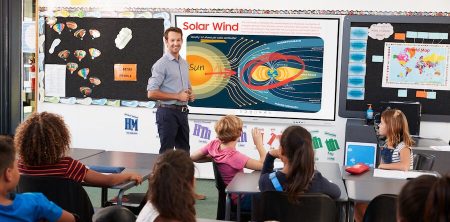
In today’s digital age, innovative teachers are constantly seeking new ways to engage their students and make learning more accessible. One particularly effective tool that has gained popularity is the strategic use of kids animated shows as supplementary educational material. These colorful, engaging programs offer much more than simple entertainment; they provide valuable teaching opportunities that can reinforce classroom concepts in ways that resonate with young learners.
The relationship between education and animation has evolved significantly over the past few decades. What was once considered merely a distraction has now become a powerful pedagogical tool. Forward-thinking educators recognize that quality animated content can serve as a bridge between abstract academic concepts and the vibrant, imaginative world that children naturally inhabit. By incorporating carefully selected animated content, teachers can create memorable learning experiences that help information stick in young minds.
Research in educational psychology has consistently shown that children learn best when they are engaged and emotionally connected to the material. Animation excels at creating this connection through compelling characters, relatable scenarios, and visually stimulating presentations of information. When a beloved character faces a mathematical challenge or navigates a historical event, students become invested in the outcome in ways that traditional textbooks rarely achieve.
The versatility of animated content allows it to be integrated across virtually all subject areas. In language arts, shows like “WordGirl” and “Between the Lions” introduce vocabulary and literacy concepts through entertaining storylines. Science comes alive through programs like “The Magic School Bus” and “Wild Kratts,” which take students on impossible journeys through the human body or into animal habitats. Mathematical concepts find expression in shows like “Cyberchase” and “Odd Squad,” where characters solve problems using logical thinking and numerical skills.
Beyond academic content, animated shows excel at teaching social-emotional skills that are increasingly recognized as crucial for student success. Programs like “Daniel Tiger’s Neighborhood” and “Arthur” address topics such as empathy, conflict resolution, and emotional regulation in age-appropriate ways. These shows provide educators with valuable discussion starters for developing the whole child, not just academic abilities.
The implementation of animated content in the classroom requires thoughtful planning and clear educational objectives. The most successful approaches don’t treat animation as a passive viewing experience but rather as a springboard for discussion, activities, and deeper exploration. Teachers might pause a show to ask prediction questions, have students identify specific concepts being illustrated, or use the animated scenario as inspiration for hands-on learning activities.
Technology has made incorporating animation into teaching easier than ever before. Interactive whiteboards, tablets, and educational streaming platforms provide convenient access to high-quality animated content that can be seamlessly integrated into lesson plans. Many educational animation producers also offer supplementary materials specifically designed for classroom use, including discussion guides, activity sheets, and assessment tools.
Parents sometimes express concern about screen time in educational settings, but research indicates that thoughtfully curated animated content, used in moderation and with clear learning goals, can be highly beneficial. The key distinction lies in active versus passive consumption. When teachers facilitate engaged viewing and follow-up activities, animated content becomes a tool for active learning rather than mere entertainment.
The future of educational animation looks increasingly interactive and personalized. Emerging technologies like augmented reality and artificial intelligence are creating new possibilities for students to interact with animated characters and scenarios in ways that respond to their individual learning needs and preferences. These developments hold tremendous potential for reaching diverse learners and providing customized educational experiences.
Successful implementation requires professional development and resource sharing among educators. Teachers who effectively use animation in their classrooms often become enthusiastic advocates, sharing techniques and content recommendations with colleagues. Professional learning communities centered around educational media help spread best practices and innovative approaches.
Critics of educational animation often worry about decreasing attention spans or diminishing traditional learning skills. However, when properly implemented as part of a balanced educational approach, animation can actually enhance focus by providing novel and engaging ways to process information. The key is integration rather than replacement—animated content should complement rather than substitute for direct instruction, hands-on activities, and text-based learning.
As we look to the future of education, the thoughtful integration of quality animated content will likely continue to grow in importance. In a world where students are increasingly visual learners and digital natives, animation provides a familiar and engaging medium through which to explore academic concepts, develop critical thinking skills, and foster a genuine love of learning. The most effective educators will be those who can bridge traditional teaching methods with these powerful new tools, creating dynamic learning environments that prepare students for success in an increasingly visual and media-rich world.

