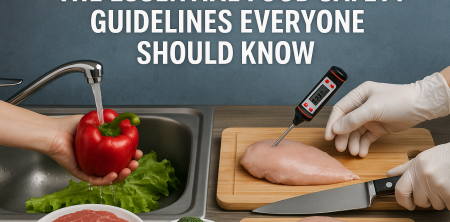
Food safety is a topic that affects us all, yet many people are not fully aware of the critical guidelines necessary to keep food safe for consumption. Whether you're a home cook, a food service professional, or just someone who loves to eat, understanding food safety guidelines can prevent foodborne illnesses and ensure a healthier life. In this article, we’ll explore key food safety practices, examine statistics related to foodborne illnesses, and offer actionable advice to help you navigate this essential aspect of nutrition.
Understanding Foodborne Illnesses
Foodborne illnesses are caused by consuming contaminated food or beverages, and they can be devastating. According to the Centers for Disease Control and Prevention (CDC), approximately 48 million people in the United States get sick from foodborne diseases every year. This staggering number translates to about one in six Americans becoming ill due to food safety violations. With symptoms ranging from mild gastrointestinal distress to severe complications requiring hospitalization, understanding how to follow food safety guidelines is not just a best practice — it’s a necessity.
The most common culprits of foodborne illnesses include bacteria like Salmonella, E. coli, and Listeria. The consequences can be dire: in the United States alone, about 128,000 people are hospitalized, and 3,000 die each year from food-related illnesses. These statistics underscore the importance of adhering to food safety guidelines.
Key Food Safety Guidelines to Follow
To mitigate the risks associated with foodborne illnesses, it’s vital to follow established food safety guidelines. Here are the essential practices that everyone should implement:
- Clean: Always wash your hands, utensils, and surfaces before and after food preparation. Bacteria from raw foods can easily contaminate cooked foods.
- Separate: Avoid cross-contamination by keeping raw meat, poultry, and seafood separate from other foods. Use different cutting boards for raw meats and produce.
- Cook: Ensure that foods are cooked to the appropriate temperatures. For example, ground meats should reach an internal temperature of at least 160°F (71°C), while poultry should reach 165°F (74°C).
- Chill: Refrigerate perishable foods within two hours to prevent bacteria from growing. Keep your fridge at or below 40°F (4°C).
These four principles — clean, separate, cook, and chill — form the foundation of effective food safety practices. By keeping them in mind, you can significantly reduce your risk of foodborne illness.
Significance of Proper Food Storage
Proper food storage is often overlooked, yet it’s a crucial aspect of food safety guidelines. Many food items have a specific shelf life, and improper storage can lead to spoilage and contamination. Here are some key tips for safe food storage:
- Use airtight containers: Store leftovers and opened products in airtight containers to prevent contamination and spoilage.
- Label and date: Always label your food items with the date they were cooked or opened. This will help you keep track of what needs to be consumed first.
- Know your refrigerator sections: Keep raw meats on the bottom shelf to prevent their juices from dripping onto other foods.
Following these storage guidelines can maximize the shelf life of your food and help you avoid waste, ensuring that the meals you prepare remain safe to eat.
Food Safety Guidelines for Specific Food Groups
Different food groups have unique safety considerations. Here’s a quick overview of food safety guidelines tailored to specific categories:
Meat and Poultry
When working with meat and poultry, proper handling is crucial. Always ensure that these products are cooked to the right temperatures to kill harmful bacteria. Use a meat thermometer to check the internal temperature. Additionally, avoid washing raw meat or poultry before cooking, as this can spread bacteria to your kitchen surfaces.
Fruits and Vegetables
While fruits and vegetables are largely healthy options, they can also harbor harmful bacteria. Always wash produce under running water before eating, even if you plan to peel it. It's a common misconception that washing will damage the food; in reality, it’s your best line of defense against pathogens.
Dairy Products
Dairy products also have specific guidelines. Ensure that you store them at the correct temperatures and pay attention to expiration dates. Dairy items should be kept refrigerated at all times, and any opened products should be consumed within a few days to a week. (See: CDC Food Safety Guidelines.)
The Role of Food Safety Regulations
Food safety regulations are enforced at various levels, including local, state, and federal. These regulations aim to protect consumers from foodborne illnesses and ensure that food products meet specific safety standards. The Food and Drug Administration (FDA) and the United States Department of Agriculture (USDA) play significant roles in developing and enforcing food safety guidelines.
For example, the FDA’s Food Safety Modernization Act (FSMA) aims to ensure that the U.S. food supply is safe by shifting the focus from responding to food safety problems to preventing them. Compliance with food safety regulations is not just important for the protection of consumers; it also helps food businesses avoid costly recalls and damage to their reputation.
Food Safety Guidelines in Commercial Settings
Food safety guidelines are especially critical in commercial food settings, such as restaurants and catering services. Employees must be trained in food safety procedures to minimize risks. Key practices include:
- Regular training: Staff should undergo regular training on food safety protocols to stay updated on best practices.
- Hygiene practices: All employees should be trained in proper hygiene practices, including handwashing and the use of gloves when handling ready-to-eat foods.
- Regular inspections: Conducting regular inspections can help identify potential hazards before they become serious issues.
By prioritizing food safety in commercial settings, businesses can significantly reduce the risk of foodborne illnesses and improve customer satisfaction.
Digital Tools for Food Safety Management
In the digital age, various tools can help both consumers and food businesses comply with food safety guidelines. Mobile apps designed for food tracking, storage reminders, and temperature monitoring can streamline the process of maintaining food safety. Some notable tools include:
- FoodKeeper App: This app provides storage guidelines for various food items, helping you keep track of what’s safe to eat.
- MyFoodSafety App: Designed for food service professionals, this app offers training modules and compliance tracking.
- Temperature monitoring systems: These systems alert businesses to potential temperature violations in storage units, helping to ensure food is kept at safe levels.
Using these digital tools can make it easier to stay compliant with food safety guidelines, leading to safer food handling practices overall.
Takeaway: Making Food Safety a Priority
Food safety guidelines are essential for everyone, from home cooks to food service professionals. By understanding and implementing these guidelines, you can significantly reduce the risk of foodborne illnesses and protect your health and the health of those around you. It’s not just about what you eat — it’s about how you handle and prepare food.
As we move forward, it’s crucial to remain vigilant about food safety. With outbreaks of foodborne illnesses making headlines far too often, now is the time to take action. Whether you’re storing food at home, preparing meals for your family, or managing a food business, make food safety a top priority. Remember, the health of your family and community depends on it.
Additional Considerations for Home Cooks
While following basic food safety guidelines is essential, home cooks should also be aware of additional considerations that can further enhance safety in the kitchen. Here are some important factors to keep in mind:
- Use separate utensils: When preparing different types of foods, especially raw meat and vegetables, use separate utensils to avoid cross-contamination. This includes knives, cutting boards, and serving spoons.
- Practice FIFO (First In, First Out): Organize your pantry and fridge using the FIFO method, where you use older items before newer ones. This helps prevent food from spoiling and ensures that you're consuming food while it's still fresh.
- Be cautious with leftovers: Leftovers should be eaten within three to four days. If you’re not going to consume them in that timeframe, consider freezing them to extend their shelf life. Make sure to cool them quickly before refrigerating or freezing.
Impact of Food Safety Guidelines on Public Health
Implementing food safety guidelines has significant implications for public health. By reducing the incidence of foodborne illnesses, these guidelines not only protect individual consumers but also prevent broader health crises. For instance, the CDC estimates that foodborne illnesses lead to approximately 128,000 hospitalizations annually. Imagine if food safety practices were universally adopted: the reduction in hospital visits could have a staggering positive impact on healthcare systems, reducing costs and creating healthier communities.
Furthermore, educational campaigns promoting food safety practices have proven effective. According to a survey conducted by the FDA, food safety education initiatives have led to increased awareness and adherence to safe food handling practices among consumers. Specifically, those who participated in food safety training showed a 40% reduction in food safety violations compared to those who had not received training.
Statistics and Trends in Food Safety
Staying informed about food safety statistics and trends is essential for understanding the ongoing challenges in this field. For instance, the Food Safety and Inspection Service (FSIS) reported that the most common pathogens linked to foodborne illnesses include: (See: WHO Food Safety Facts.)
- Salmonella: Responsible for over 1 million illnesses each year in the U.S., Salmonella is often found in raw poultry, eggs, and unpasteurized milk.
- Norovirus: This highly contagious virus causes about 19 million illnesses annually in the U.S. and is commonly spread through contaminated food or water.
- E. coli: Particularly dangerous strains like E. coli O157:H7 can lead to severe abdominal cramps and bloody diarrhea, often associated with undercooked beef and unwashed produce.
Monitoring these statistics can help both consumers and food industry professionals prioritize safety measures that address the most prevalent threats to food safety.
Expert Perspectives on Food Safety
Experts in the field of food safety often emphasize the importance of a proactive approach. Dr. Robert Tauxe, a leading epidemiologist at the CDC, stresses that education and communication are key. "It's not enough to just have guidelines in place; we need to ensure that everyone understands how to implement them effectively," he says. His research indicates that educational programs tailored to specific communities can drastically improve food safety practices.
Similarly, Dr. Jennifer McEntire, a food safety scientist, points out that technology is paving the way for better compliance. "With the rise of smart kitchen appliances and apps, consumers can more easily monitor food temperatures and storage conditions, leading to safer food handling practices," she explains. Her insights highlight the intersection of technology and consumer education as pivotal in advancing food safety.
Common Myths About Food Safety
Misconceptions about food safety can lead to dangerous practices. Let’s debunk some common myths:
- Myth: Washing meat eliminates bacteria. Reality: Washing meat can actually spread bacteria around your kitchen. Cooking to the right temperature is what truly makes food safe.
- Myth: It's safe to eat food that’s been left out for a few hours. Reality: If food has been left out at room temperature for more than two hours, it’s best to throw it away to avoid foodborne illness.
- Myth: Freezing food kills all bacteria. Reality: Freezing slows down the growth of bacteria but does not kill them. Proper cooking is essential to eliminate any pathogens.
FAQ About Food Safety Guidelines
Q: How can I tell if my food has gone bad?
A: Look for signs like off smells, changes in color, or a slimy texture. When in doubt, it’s safer to throw it away.
Q: What is the safe temperature for cooking meat?
A: Different meats have different safe cooking temperatures. For example, poultry should be cooked to an internal temperature of 165°F (74°C), while ground meats should reach 160°F (71°C).
Q: Can I rely on expiration dates alone to determine food safety?
A: Expiration dates are a guideline, but it’s also important to check for signs of spoilage. Use your senses – look, smell, and touch – to gauge whether something is still good to eat.
Q: How can I prevent cross-contamination in my kitchen?
A: Use separate cutting boards for raw meats and vegetables, wash hands and utensils frequently, and store raw foods away from ready-to-eat items.
Q: What's the best way to store leftovers?
A: Store leftovers in airtight containers and refrigerate them within two hours of cooking. Consume them within three to four days for safety.
Q: Are organic foods safer than conventional foods?
A: While organic foods may have fewer pesticide residues, they are not necessarily safer from bacteria. Always follow food safety guidelines regardless of whether food is organic or conventional. (See: USDA Food Safety Resources.)
Conclusion: A Culture of Food Safety
Incorporating food safety guidelines into our daily routines is not just about preventing illness; it's about instilling a culture of safety that extends beyond the kitchen. By consistently applying these principles, we can foster a healthier environment for ourselves and the communities we belong to. While it may seem daunting at times, each small step you take towards practicing food safety contributes to a larger impact on public health. So let’s commit to making food safety a priority — for today and for generations to come.
Further Practical Tips for Enhanced Food Safety
Implementing food safety guidelines can be straightforward, but there are some nuanced practices that can enhance your efforts. Here are additional tips to consider:
- Invest in a food thermometer: A food thermometer is essential for ensuring that your food reaches the appropriate internal temperature. This small investment can save lives by preventing foodborne illnesses.
- Regularly clean your kitchen: Deep cleaning your kitchen, including counters, sinks, and floors, can significantly reduce the risk of contamination. Make it a routine to disinfect surfaces after preparing raw meats.
- Use the right cutting boards: Opt for plastic cutting boards for raw meats, as they are easier to sanitize than wooden boards. Consider using color-coded boards to prevent cross-contamination visually.
Food Safety for Travelers
When traveling, food safety becomes even more critical. Different regions may have varying food safety standards, and understanding them can help you avoid illness. Here are some tips for safe eating while traveling:
- Be cautious with street food: While street food can be delicious, ensure it is cooked fresh in front of you to minimize the risk of foodborne illness.
- Drink bottled water: In areas with questionable water quality, stick to bottled water to avoid gastrointestinal issues. Avoid ice unless you are confident it was made from safe water.
- Choose well-reviewed restaurants: Look for restaurants that are busy, as high turnover often means fresher food. Check online reviews for cleanliness and food quality.
The Future of Food Safety Guidelines
The landscape of food safety is continuously evolving. As technology advances, so too do the methods and tools available for ensuring food safety. From blockchain technology that tracks food from farm to table, to innovative packaging that signals spoilage, the future of food safety guidelines promises to be more effective and consumer-friendly.
Additionally, global collaboration on food safety standards is growing. Organizations like the World Health Organization (WHO) are working towards harmonizing food safety practices internationally, which could lead to higher standards and better protection for consumers worldwide. Staying informed about these advances can help you comply with the latest food safety guidelines and maintain a safe kitchen environment.
Community Involvement in Food Safety
Community involvement is critical for promoting food safety awareness. Local health departments often provide resources, workshops, and classes focused on food safety education. Join community programs or initiatives that aim to educate about food safety practices. This not only benefits you but also strengthens community health as a whole.
Consider volunteering for local food banks or community kitchens, where you can learn and share practical food safety guidelines with others. Engaging with your community can amplify the impact of food safety education, ensuring that everyone understands the importance of safe food handling.
Final Thoughts on Food Safety Guidelines
Ultimately, food safety guidelines are not just regulations to follow; they are essential practices that protect health and well-being. Whether you're preparing meals for yourself, your family, or a larger group, prioritizing food safety is key to enjoying your food without risk. The more you know and practice, the safer your food environment will be. Embrace these guidelines not just as rules, but as a vital part of a healthy lifestyle.
Trending Now
Frequently Asked Questions
What are the main food safety guidelines?
The main food safety guidelines include cleaning your hands and surfaces, separating raw and cooked foods to prevent cross-contamination, cooking foods to the right temperature, and storing foods properly. Following these practices helps minimize the risk of foodborne illnesses.
How can foodborne illnesses be prevented?
Foodborne illnesses can be prevented by adhering to basic food safety practices such as washing hands and utensils, avoiding cross-contamination, cooking food to safe temperatures, and storing food correctly. These measures significantly reduce the likelihood of contamination.
What are the common causes of foodborne illnesses?
Common causes of foodborne illnesses include bacteria such as Salmonella, E. coli, and Listeria, which can contaminate food through improper handling, cooking, or storage. Awareness of these pathogens is crucial for food safety.
Why is food safety important?
Food safety is important because it helps prevent foodborne illnesses, which affect millions of people annually. By following food safety guidelines, individuals can protect their health and reduce the risk of severe health complications.
What should I do to ensure my kitchen is safe?
To ensure your kitchen is safe, regularly clean and sanitize surfaces, separate raw and cooked foods, store food at appropriate temperatures, and always wash your hands before and after handling food. These practices create a safer cooking environment.
Agree or disagree? Drop a comment and tell us what you think.

