```html
The gut microbiome plays a pivotal role in our overall health, influencing everything from digestion to immunity. Recent research has highlighted how our dietary choices directly impact this intricate ecosystem. But what does that truly mean for you? If you've been navigating the maze of information around gut microbiome health, you’re not alone. It’s a subject that’s rapidly gaining traction, especially as more people seek to understand the connection between their diets and wellness.
Understanding the Gut Microbiome
Your gut microbiome consists of trillions of microorganisms, including bacteria, fungi, and viruses, residing in your digestive tract. Surprisingly, these microbes outnumber the cells in your body! This complex community contributes significantly to digestion, metabolism, and immune function. When your gut microbiome is balanced, it aids in nutrient absorption and supports your immune system. However, an imbalance can lead to issues like inflammation, obesity, and autoimmune diseases.
The Role of Diet in Microbiome Composition
Diet is perhaps the most influential factor in shaping your gut microbiome health. Research has consistently shown that the foods you eat can alter the composition of your gut bacteria, leading to various health outcomes. A recent comprehensive review emphasized the importance of high-fiber, plant-based, and fermented foods in promoting microbial diversity, which is crucial for optimal gut function.
High-fiber foods are essential because they serve as fuel for beneficial bacteria, leading to the production of short-chain fatty acids (SCFAs). These SCFAs, including butyrate, propionate, and acetate, play a role in reducing inflammation, regulating metabolism, and improving gut health.
High-Fiber Foods: The Microbial Powerhouses
Having a diet rich in fiber is one of the most effective strategies for enhancing gut microbiome health. Fiber comes in two forms: soluble and insoluble. Soluble fiber, found in oats, beans, and fruits, dissolves in water to form a gel-like substance, which can help slow digestion and improve blood sugar control. Insoluble fiber, primarily found in whole grains and vegetables, adds bulk to the stool and aids in regularity.
Here are some high-fiber foods to consider incorporating into your diet:
- Legumes: Lentils, chickpeas, and black beans are not only high in fiber but also packed with nutrients.
- Whole Grains: Foods like quinoa, barley, and whole wheat bread are excellent sources of fiber.
- Fruits: Apples, bananas, and berries contain both soluble and insoluble fiber.
- Vegetables: Artichokes, broccoli, and carrots are fiber-rich and provide additional vitamins.
The Power of Plant-Based Diets
Plant-based diets have garnered attention for their myriad health benefits, particularly regarding gut microbiome health. A diet rich in fruits, vegetables, whole grains, nuts, and seeds not only provides fiber but also a variety of phytochemicals and antioxidants. These compounds support microbial diversity and foster a thriving gut environment.
Moreover, research indicates that individuals who consume predominantly plant-based diets exhibit a greater diversity of gut bacteria. This diversity is linked to lower risks of chronic diseases, including heart disease, diabetes, and certain cancers. If you’re considering making a switch, gradually increasing your intake of plant-based foods can ease the transition and help your gut adjust.
Fermented Foods: Nature’s Probiotics
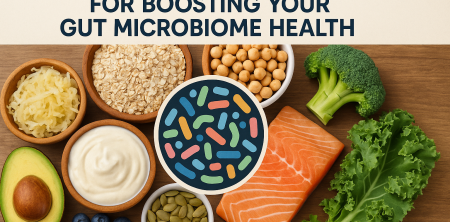
Fermented foods have been celebrated for centuries for their health benefits. They contain live microorganisms that can enhance gut microbiome health. Foods such as yogurt, kefir, sauerkraut, kimchi, and kombucha are rich in probiotics, which are live bacteria that confer health benefits when consumed in adequate amounts.
Research shows that regular consumption of fermented foods can boost the diversity of gut bacteria and improve digestive health. For example, a study found that individuals consuming yogurt regularly had higher levels of beneficial bacteria, which can help fend off pathogens and promote immune health. (See: Research on gut microbiome and diet.)
Short-Chain Fatty Acids: The Unsung Heroes
When beneficial bacteria ferment dietary fibers, they produce short-chain fatty acids (SCFAs), which are crucial for gut health. Butyrate, a type of SCFA, is particularly noteworthy as it serves as an energy source for colon cells and plays a role in maintaining gut integrity. It can also help reduce inflammation and support metabolic health.
But how can you ensure you're boosting SCFA production? Consuming a variety of high-fiber foods and fermented products creates the ideal environment for beneficial bacteria to thrive and produce these important compounds. So, think of your diet as an investment in your health — one that pays dividends in the form of SCFAs!
Connecting Diet to Immune Function
One of the most exciting developments in gut microbiome research is its connection to immune function. A healthy gut microbiome is vital for a well-functioning immune system. The gut is home to a significant portion of your immune cells, and the microbiome influences the development and activity of these cells.
Studies have shown that diets rich in fiber and fermented foods can enhance the immune response. For instance, a well-balanced microbiome can help regulate the production of antibodies and promote the activity of T-cells, both of which are essential for fighting infections. If you're looking to bolster your immune health, consider focusing on foods that nourish your gut microbiome.
The Mediterranean Diet: A Model for Gut Health
The Mediterranean diet exemplifies a dietary pattern that supports gut microbiome health. Rich in fruits, vegetables, whole grains, legumes, nuts, and healthy fats like olive oil, it emphasizes whole, minimally processed foods while reducing red meat and sugary products.
Research indicates that following a Mediterranean diet can enhance microbial diversity and increase the production of SCFAs, thereby supporting overall gut health. For those grappling with dietary choices, adopting principles from the Mediterranean diet could be a simple yet effective approach to improving your gut microbiome health.
Understanding the FOMO of Gut Health
There's an undeniable FOMO (fear of missing out) aspect to gut health discussions. With social media buzzing about the latest superfoods and trends, it’s easy to feel overwhelmed by the constant barrage of information. The reality is, improving your gut microbiome health isn’t about chasing after the next big thing—it’s about consistent, sustainable changes.
Instead of focusing on a single 'superfood,' think about your overall dietary pattern. Experts suggest that the best outcomes come from a varied diet that includes a wide range of high-fiber and fermented foods. It’s about creating a holistic approach that’s not only nutritious but also enjoyable.
Actionable Tips for Improving Gut Microbiome Health
If you’re ready to make changes to support your gut microbiome health, here are some actionable tips:
- Incorporate a variety of high-fiber foods into your meals, aiming for at least 25-30 grams of fiber daily.
- Include fermented foods in your diet regularly, such as yogurt, kefir, sauerkraut, or kimchi.
- Stay hydrated! Drink plenty of water to help fiber do its job.
- Limit processed foods and added sugars, which can negatively impact gut bacteria.
- Experiment with plant-based meals to diversify your diet and improve microbial diversity.
- Consider prebiotics, which are foods that promote the growth of beneficial bacteria (like garlic, onions, and bananas).
The Road Ahead: A Holistic Approach to Gut Health
As research continues to unveil the complexities of the gut microbiome, it’s clear that diet plays a central role in maintaining its health. Embracing a holistic approach—one that considers not just individual foods but the broader dietary patterns—will be essential for long-term gut health. While it's tempting to look for quick fixes or miracle foods, the truth is that nurturing your gut microbiome takes time and a thoughtful approach.
Ultimately, by focusing on high-fiber, plant-based, and fermented foods, you can support a thriving gut microbiome that benefits your immune system and overall wellness. Remember, small changes can lead to significant improvements. The journey to better gut health is within your reach, one meal at a time.
The Gut-Brain Axis: A Surprising Connection
Did you know there's a direct line of communication between your gut and your brain? This connection, known as the gut-brain axis, makes gut microbiome health even more essential. It's a fascinating interplay where your gut bacteria can influence your mood, anxiety levels, and even cognitive function. (See: Healthy diet and gut health.)
For instance, research has shown that certain strains of beneficial bacteria can produce neurotransmitters like serotonin, often dubbed the "happy hormone." In fact, approximately 90% of the body's serotonin is produced in the gut. If your microbiome is imbalanced, it could affect serotonin production, potentially leading to symptoms of depression or anxiety. This underscores the importance of a healthy diet for both mental and physical well-being.
Statistics: Gut Microbiome and Health Outcomes
Let's dive into some compelling statistics that showcase the relationship between gut microbiome health and various health outcomes:
- According to a study published in Nature, individuals with a diverse gut microbiome had a 50% lower risk of developing metabolic disorders.
- Research from the American Gut Project indicates that people consuming a diet high in fiber have 1.5 times the microbial diversity compared to those with a low-fiber diet.
- In a clinical trial, individuals with high intake of fermented foods experienced a significant decrease in inflammation markers.
- A survey found that 74% of people believe that gut health directly affects their overall health and well-being.
Expert Perspectives on Gut Microbiome Health
To gain deeper insights, we consulted several experts in the field of nutrition and microbiome research:
Dr. Mark Hyman, a functional medicine physician, emphasizes the importance of a diverse diet, stating, "The more diverse your diet, the more diverse your microbiome will be. This diversity can protect against inflammation and chronic disease."
Dr. Robynne Chutkan, a gastroenterologist and author, advocates for incorporating fiber-rich foods, stating, "A fiber-rich diet not only feeds our gut bacteria but also produces the beneficial SCFAs that help maintain intestinal health and prevent disease."
Comparing Prebiotics and Probiotics
In the journey to improve gut microbiome health, you'll often hear the terms prebiotics and probiotics. While both are vital for gut health, they serve different functions:
- Probiotics: These are live beneficial bacteria found in fermented foods and supplements. They help replenish and maintain a healthy gut bacteria population.
- Prebiotics: These are non-digestible fibers that serve as food for your probiotics. They help beneficial bacteria thrive and support a healthy gut environment.
Incorporating both into your diet can create a synergistic effect, enhancing the overall health of your gut microbiome.
Frequently Asked Questions about Gut Microbiome Health
1. What are some signs of an unhealthy gut microbiome?
Common signs include digestive issues like bloating, gas, constipation, or diarrhea, as well as fatigue, sleep disturbances, and food intolerances. If you’re experiencing any of these symptoms, it may be worth investigating your gut health.
2. How long does it take to improve gut microbiome health with diet?
Everyone's body is different, but generally, you may start noticing improvements in digestive health and overall well-being within a few weeks of making dietary changes. Long-term benefits, including enhanced immunity and reduced inflammation, may take months.
3. Can stress affect my gut microbiome health?
Absolutely! Chronic stress can disrupt the balance of gut bacteria, leading to increased inflammation and digestive problems. Incorporating stress-reducing practices like meditation, yoga, or regular exercise can help support your gut health. (See: Impact of fiber on gut microbiome.)
4. Are there specific foods to avoid for better gut health?
Yes, heavily processed foods, sugary snacks, and unhealthy fats can negatively impact gut microbiome health. Limiting these foods while focusing on whole, nutrient-dense options can foster a healthier gut environment.
5. Can I take supplements to improve my gut health?
While some people benefit from probiotic supplements, it's best to prioritize a whole foods-based diet first. If you're considering supplements, consult a healthcare provider to find the right options for your specific needs.
Personalizing Your Gut Health Journey
As you embark on your quest to improve gut microbiome health, remember that everyone's microbiome is unique. What works for one person may not work for another due to genetics, lifestyle, and dietary habits. Keeping a food diary can be beneficial in identifying which foods make you feel good and which do not. Additionally, consider consulting with a dietitian or nutritionist who specializes in gut health to create a personalized plan that caters to your specific needs.
Moving Beyond Diet: Lifestyle Factors Affecting Gut Health
While diet is a crucial component of gut microbiome health, it's not the only player in the game. Lifestyle factors such as sleep, exercise, and stress management also play significant roles. Lack of sleep can disturb the gut microbiome balance, while regular physical activity has been shown to promote microbial diversity. Stress management techniques, like mindfulness and relaxation exercises, can mitigate the adverse effects of stress on gut health.
The Impact of Antibiotics on Gut Microbiome
It's important to discuss how antibiotics can disrupt gut microbiome health. While these medications are crucial for fighting infections, they can also wipe out beneficial bacteria, leading to dysbiosis. This imbalance can result in issues like antibiotic-associated diarrhea and increased susceptibility to other infections. If you need to take antibiotics, consider discussing the use of probiotics with your healthcare provider to support your gut during and after treatment.
The Future of Gut Microbiome Research
The field of gut microbiome research is rapidly evolving, with scientists uncovering new links between gut health and various conditions, including mental health disorders, autoimmune diseases, and metabolic syndrome. Future research may lead to personalized probiotic therapies, fecal microbiota transplants, and tailored diet plans based on individual microbiome profiles. Keeping an eye on this emerging science could provide exciting new opportunities for improving gut health.
Conclusion on the Importance of Gut Microbiome Health
Understanding and nurturing your gut microbiome is a journey worth embarking on. With the right dietary choices, a focus on diversity, and awareness of your body's signals, you can significantly improve not just your gut health but your overall wellness. It’s about finding balance, enjoying your meals, and making choices that support your unique microbiome. Remember, your gut health is a reflection of your overall health, and with the right knowledge and tools, you can thrive.
```
Trending Now
Frequently Asked Questions
What foods are good for gut microbiome health?
Foods that are beneficial for gut microbiome health include high-fiber options like fruits, vegetables, whole grains, and legumes, as well as fermented foods such as yogurt, kefir, and sauerkraut. These foods promote microbial diversity and support the growth of beneficial bacteria, which is essential for digestion and overall health.
How does diet affect gut health?
Diet plays a crucial role in gut health by influencing the composition of gut bacteria. A diet rich in fiber, plant-based foods, and fermented items can enhance microbial diversity, leading to better digestion, improved immune function, and reduced inflammation, while a poor diet can disrupt this balance and lead to health issues.
What are short-chain fatty acids and why are they important?
Short-chain fatty acids (SCFAs) are produced when beneficial gut bacteria ferment dietary fiber. They play a vital role in reducing inflammation, regulating metabolism, and maintaining gut health. SCFAs like butyrate, propionate, and acetate are essential for a balanced gut microbiome and overall well-being.
What is the gut microbiome and why is it important?
The gut microbiome is a complex community of trillions of microorganisms living in the digestive tract. It is important because it aids in digestion, nutrient absorption, and immune function. A balanced microbiome contributes to overall health, while imbalances can lead to various health issues, including inflammation and autoimmune diseases.
How can I improve my gut microbiome?
You can improve your gut microbiome by incorporating high-fiber foods, such as fruits, vegetables, and whole grains, into your diet, as well as consuming fermented foods like yogurt and kombucha. Staying hydrated, reducing sugar intake, and avoiding processed foods can also support a healthier gut microbiome.
What did we miss? Let us know in the comments and join the conversation.

