```html
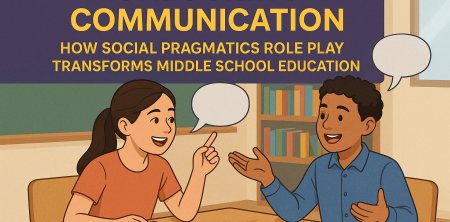
In the bustling environment of middle school, students are not only focused on academic achievements but are also navigating the complex landscape of social interactions. One method gaining traction for enhancing these interactions is social pragmatics role play. This innovative approach helps students understand and practice the social skills necessary for effective communication. By immersing students in role-play scenarios, educators can address various social challenges in a supportive, engaging manner.
Understanding Social Pragmatics
Social pragmatics refers to the study of how context influences the way we communicate. It encompasses the rules and conventions that guide our interactions—everything from the appropriate use of language to interpreting non-verbal cues. In middle school, where peer dynamics shift dramatically, mastering these skills is crucial.
Students face numerous social challenges during this transitional phase. They must navigate friendships, manage conflicts, and develop their identities in the context of their peers. This is where social pragmatics role play can make a significant impact. By simulating real-life social situations, students can practice the subtleties of communication in a controlled environment.
The Benefits of Role Play in Learning
Role play offers a host of benefits in educational settings, particularly for middle school students. Here are some key advantages:
- Active Engagement: Students are more likely to engage in learning when it’s interactive. Role play allows them to step out of their comfort zones and immerse themselves in the experience.
- Real-World Application: Students can practice social scenarios they might encounter, such as resolving conflicts, negotiating, or offering support to a friend. This practical application enhances their learning and prepares them for real-life situations.
- Safe Environment: Role play provides a safe space for students to experiment with new behaviors without the fear of real-world consequences. Mistakes made during these exercises can lead to valuable learning opportunities.
Implementing Social Pragmatics Role Play in the Classroom
Integrating social pragmatics role play into the classroom requires thoughtful planning and execution. Here are some strategies educators can use:
1. Identify Relevant Scenarios
Begin by identifying common social situations that middle school students may encounter. These could include:
- Resolving conflicts with peers
- Approaching someone new to initiate conversation
- Offering support to a friend in distress
By tailoring scenarios to the interests and concerns of students, educators can increase the relevance and engagement of the activities.
2. Create a Structured Framework
To ensure that role-playing sessions are beneficial, it's essential to create a structured framework. This might include:
- Setting clear objectives for each role-play scenario
- Providing guidelines on how to behave and communicate during the exercise
- Offering feedback after the role-play to reinforce learning and highlight areas for improvement
Such structure helps students feel secure and understand the purpose behind the activity.
3. Encourage Reflection
After the role-play, educators should facilitate a reflection session. This could involve: (See: importance of social-emotional learning.)
- Discussing what went well and what could have been done differently
- Encouraging students to share their feelings about the experience
- Linking the role-play to real-life situations to reinforce learning
Reflection is a powerful tool that helps deepen students’ understanding and encourages them to apply what they’ve learned in actual social settings.
Current Relevance of Social Pragmatics Role Play
The importance of social pragmatics role play has grown in recent years as educators and psychologists recognize the critical role of emotional intelligence and social skills in student success. The rise of digital communication has changed how students interact, making traditional social cues more challenging to interpret. In a world dominated by texting and social media, role play can bridge the gap, helping students hone their face-to-face communication skills.
Additionally, in the context of mental health awareness, role play can serve as a tool for promoting empathy and understanding among students. By stepping into someone else's shoes, students can gain insights into different perspectives and the emotions of others, fostering a more inclusive school environment.
Case Studies and Success Stories
Several schools have successfully implemented social pragmatics role play into their curricula with remarkable results. For instance, a middle school in California integrated role-playing exercises into their social studies program, focusing on historical events and social justice issues. Students engaged in debates and role plays simulating various perspectives, leading to increased empathy and understanding of complex topics.
Another case study from a school in New York showcased the impact of role play on conflict resolution. After participating in structured role-playing scenarios, student surveys indicated a 30% increase in reported confidence in handling interpersonal conflicts effectively. Teachers noted that students were more willing to engage in discussions about conflict resolution techniques.
Challenges and Considerations
While the benefits of social pragmatics role play are clear, there are challenges that educators must navigate. One such challenge is the diverse range of social skills among students. Not all students will grasp concepts at the same pace, and some may require additional support or alternative methods of engagement.
Furthermore, educators must be sensitive to the potential discomfort role play may cause for some students. Not everyone is comfortable performing in front of peers, which can lead to anxiety. To mitigate this, teachers can allow students to participate in pairs or small groups, creating a less intimidating environment.
Strategies for Differentiation
To address the varying needs of students in the classroom, differentiation strategies can be employed during role-play activities. Here are a few effective methods:
- Scaffolded Learning: Provide varying levels of support depending on students’ comfort and skill levels. For example, some may benefit from a detailed script, while others thrive with minimal guidance.
- Peer Mentoring: Pair students with different skill levels together. More confident students can mentor their peers, reinforcing their understanding while helping others learn.
- Adapt Scenarios: Tailor scenarios to reflect the specific interests and experiences of students. This not only fosters engagement but also ensures that all participants can relate to the situation at hand.
Future Directions for Social Pragmatics Role Play
The future of social pragmatics role play in education looks promising. As more classrooms adopt social-emotional learning (SEL) approaches, the integration of role play will likely expand. Educators are increasingly recognizing that teaching social skills is as vital as academic subjects.
Advancements in technology also present new opportunities for role play. Virtual reality (VR) and augmented reality (AR) can create immersive environments for students to practice social skills in dynamic scenarios, thus broadening the scope of role-play activities.
Moreover, continued research into the effectiveness of role play can help educators refine their methods and approaches. Collaborations between schools and researchers will foster a deeper understanding of the specific social skills students need to develop, ensuring that role play remains relevant and impactful.
Frequently Asked Questions about Social Pragmatics Role Play
1. What age group is social pragmatics role play most effective for?
Social pragmatics role play is particularly effective for middle school students, typically ages 11-14, as they are at a critical stage of social development and are often facing new social challenges. (See: role play in education research.)
2. How can teachers assess the effectiveness of social pragmatics role play?
Teachers can assess effectiveness through student surveys, self-reflection journals, and observations of student interactions in both role-play scenarios and real-life situations. Tracking improvements in communication skills and conflict resolution can also provide insights.
3. Are there specific curriculum models that incorporate social pragmatics role play?
Yes, many social-emotional learning (SEL) frameworks include role play as a key component. Programs such as The PATHS Program, Second Step, and Responsive Classroom all emphasize the integration of role play to teach social skills.
4. How can role play be adapted for students with special needs?
For students with special needs, role play can be adapted by simplifying scenarios, using visual supports, and providing additional guidance. Teachers can also work closely with special education staff to ensure that activities are inclusive and accessible.
5. Can role play help with bullying prevention?
Absolutely! Role play can provide students with the tools and confidence to address bullying situations. By practicing responses to bullying scenarios, students learn how to stand up for themselves and others effectively.
Transformative Stories from Educators
Many educators have seen firsthand the transformative power of social pragmatics role play. For example, a teacher in Michigan described how her class used role play to handle the fallout from an online bullying incident. By acting out various roles—both the victim and the bully—students gained insights into each other's feelings. This not only led to a more empathetic classroom but helped students devise their own anti-bullying strategies.
Additionally, a teacher in Texas utilized role play to tackle the complexities of group projects. Students acted out different roles within a group dynamic, from the leader to the passive participant. This exercise illuminated the importance of communication and collaboration, resulting in smoother project execution and improved group relationships.
Expanding Role Play Beyond the Classroom
While role play is a powerful tool within classroom walls, its benefits can extend to extracurricular activities and home environments. For instance, drama clubs can incorporate social pragmatics role play to enhance teamwork and communication skills among members. At home, parents can encourage children to role play various social scenarios, such as making phone calls or attending family gatherings.
Moreover, community organizations can adopt role play techniques in workshops designed for youth development. These organizations often serve diverse populations, providing a rich ground for students to practice skills that are crucial for varying social contexts.
Research Findings on Social Pragmatics Role Play
Recent studies have highlighted the effectiveness of social pragmatics role play in fostering communication skills among adolescents. A study published in the Journal of Educational Psychology found that students who participated in structured role play showed a 25% improvement in their ability to read non-verbal cues compared to those who did not engage in similar activities. This finding underscores the importance of practical exercises in developing essential social competencies.
Additionally, research from the University of California has shown that students involved in role play reported higher levels of emotional intelligence. The study emphasized that engaging in role play helped students identify and manage their emotions more effectively, leading to better peer relationships and reduced incidents of bullying.
Incorporating Feedback Loops
A critical aspect of social pragmatics role play is the incorporation of feedback loops. After each role play exercise, it's beneficial for students to receive constructive feedback from both peers and educators. This feedback can take various forms, including verbal discussions, written reflections, or even video recordings of the role plays for review. By doing so, students can gain insights into their performance, recognize areas for improvement, and celebrate their successes.
For instance, a teacher might facilitate a discussion after a role play where students can express what they learned from their peers' performances. They might ask questions like, "What did you notice about how your partner handled the conflict?" This approach not only fosters a culture of growth but also reinforces the idea that learning is a continuous process.
The Role of Technology in Enhancing Role Play
Technology can significantly enhance the effectiveness of social pragmatics role play. Various digital tools can be utilized to create immersive role-play experiences. For example, educators can use online platforms that simulate real-life situations or allow students to create their scenarios interactively. These platforms can facilitate role plays that are more engaging and relevant to students' lives.
Moreover, mobile applications aimed at building communication skills can be integrated into role play. Students can use these apps to practice dialogues or receive prompts that guide their interactions during role plays. The use of technology not only makes the experience more dynamic but also caters to the interests of tech-savvy students.
Global Perspectives on Social Pragmatics Role Play
Examining how social pragmatics role play is implemented around the world can provide valuable insights into best practices. In countries like Finland, where education systems prioritize emotional and social learning, role-playing activities are often incorporated into the curriculum from a young age. Finnish educators emphasize the importance of creating a safe space for students to explore their emotions and social interactions through role play.
In contrast, countries with a more traditional approach to education may not place as much emphasis on these exercises. However, educators in these regions are beginning to recognize the benefits of integrating social skills training into their teaching methods. Cross-cultural exchange programs can help bring innovative role play strategies to various educational contexts, enhancing the global discourse on social pragmatics.
Conclusion: The Transformative Impact of Role Play
Social pragmatics role play offers a unique and powerful way to equip middle school students with the social skills they need to thrive. By actively engaging students in role-playing scenarios, educators can foster an environment where communication flourishes, empathy is nurtured, and conflicts are resolved. The lessons learned through role play not only prepare students for success in school but also in their future interpersonal relationships. As we continue to explore the dynamic interplay of social skills and education, the role of role play will undoubtedly remain a cornerstone of effective teaching practices.
```
Trending Now
Frequently Asked Questions
What is social pragmatics role play?
Social pragmatics role play is an educational method that involves simulating real-life social scenarios to help students practice and understand effective communication. It focuses on the nuances of social interactions, allowing middle school students to navigate friendships, conflicts, and peer dynamics in a controlled environment.
How does role play benefit middle school students?
Role play benefits middle school students by promoting active engagement in learning, allowing them to step out of their comfort zones. It provides real-world applications of social skills, enabling students to practice scenarios like conflict resolution and negotiation, all within a safe learning environment.
Why is social pragmatics important in middle school?
Social pragmatics is crucial in middle school because students face significant changes in peer dynamics. Mastering social skills helps them navigate friendships, manage conflicts, and develop their identities, which are essential for effective communication and social interaction during this transitional phase.
What are the key components of social pragmatics?
The key components of social pragmatics include understanding context, interpreting non-verbal cues, and following the rules of communication. These elements guide how individuals interact and convey meaning in social situations, which is particularly important for middle school students adjusting to new social environments.
How can teachers implement social pragmatics role play in the classroom?
Teachers can implement social pragmatics role play by creating scenarios that reflect common social challenges students face. By facilitating role-playing exercises, educators can guide discussions on communication strategies and provide feedback, helping students build confidence and improve their social skills in a supportive setting.
What did we miss? Let us know in the comments and join the conversation.

