```html
In the rapidly evolving landscape of education, scaffolding in competency-based education has emerged as a critical strategy for enhancing learning outcomes. This method, which focuses on building students' capabilities progressively, is essential for fostering autonomy and competence in learners. In this article, we'll take an in-depth look at what scaffolding is, its role in competency-based education, effective strategies for implementation, and how teachers can enhance their practices to support student success.
Understanding Scaffolding in Education
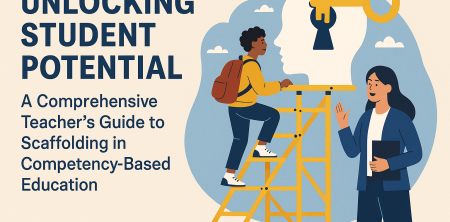
Scaffolding is a teaching approach that provides students with successive levels of temporary support that are tailored to their individual needs. Think of it like constructing a building: you need a solid framework to support the structure until it can stand on its own. In education, this means giving students the assistance they need to progress through the learning process until they can independently demonstrate their knowledge and skills.
The term was popularized by developmental psychologist Jerome Bruner in the 1970s. He suggested that effective learning occurs when educators provide support, allowing students to explore concepts that are just beyond their current understanding. As students gain mastery, the educator gradually removes this support, fostering independent learning.
The Significance of Competency-Based Education
Competency-based education (CBE) is an instructional approach that focuses on the outcomes of learning rather than the time spent in class. In CBE, students progress upon mastering the specific skills and knowledge required of them, allowing for personalized learning paths. This method recognizes that students learn at different rates and in various ways, promoting flexibility in how and when learning occurs.
In this framework, scaffolding becomes essential. By ensuring that educators provide the right amount of support as students navigate their learning pathways, they can help students achieve mastery more effectively. CBE is about making sure that no student is left behind, and scaffolding is a crucial tool in achieving that goal.
Key Principles of Scaffolding in Competency-Based Education
Understanding the principles behind scaffolding can empower teachers to implement it effectively within their classrooms. Here are some key components:
- Gradual Release of Responsibility: This principle involves starting with high levels of support and gradually shifting the responsibility to the student as they become more proficient.
- Tailored Support: Scaffolding should be customized to each student’s needs, ensuring that support is appropriate for different learning styles and paces.
- Active Engagement: Students should be actively involved in their learning process, collaborating with peers and engaging with content meaningfully.
- Feedback Loop: Continuous feedback is vital. It helps students understand their progress and areas needing improvement, guiding them through the learning process.
Implementing Scaffolding Techniques in the Classroom
Implementing scaffolding requires careful planning and execution. Here are several practical strategies teachers can use:
1. Chunking Information
Breaking down complex information into smaller, manageable chunks can help students process and retain new concepts. For instance, when teaching a new mathematical principle, instead of overwhelming students with a full lesson, introduce one aspect at a time, allowing them to master each before moving on.
2. Using Visual Aids
Visual aids, such as charts, diagrams, and graphic organizers, can help clarify complicated material. For example, using a flowchart to demonstrate a writing process can provide students with a clear visual representation of what is expected, guiding them step-by-step.
3. Peer Collaboration
Encouraging students to work together can foster a deeper understanding of concepts. Pairing a more knowledgeable peer with a struggling student can create a supportive environment where both learn from each other. This method of peer scaffolding not only enhances understanding but also builds social skills.
4. Providing Scaffolding Tools
Tools such as checklists, templates, and outlines can support students in organizing their thoughts and structuring their work. For instance, offering a writing template can help students focus on content rather than formatting, allowing them to express their ideas more freely.
The Role of Technology in Scaffolding
In today's digital age, technology plays a significant role in enhancing scaffolding strategies. Online platforms and resources can provide personalized learning experiences that are adaptable to individual student needs.
For example, learning management systems (LMS) like Canvas or Google Classroom can offer tailored resources and assessments that allow students to progress at their own pace. These platforms often include interactive content, quizzes, and instant feedback mechanisms, making them valuable tools for scaffolding.
Assessing Student Progress
Assessment is a crucial part of the scaffolding process. It allows teachers to gauge student understanding and adjust their support accordingly. In a competency-based framework, assessments should be ongoing and multifaceted to capture a complete picture of student progress. (See: Scaffolding in education.)
Formative assessments, which take place during the learning process, are particularly effective. These can include quizzes, discussions, or reflective journals where students articulate their understanding. Summative assessments, on the other hand, evaluate mastery at the end of a learning unit. Combining both types gives educators insight into when to provide additional scaffolding or when to diminish support.
Challenges of Scaffolding in Competency-Based Education
While scaffolding in competency-based education offers numerous benefits, it can also pose challenges for educators. The following are common obstacles teachers may encounter:
1. Differentiating Support
Providing the right level of support for each student can be resource-intensive. Teachers may struggle to identify the specific needs of each learner in a diverse classroom setting. This requires not only awareness of individual student capabilities but also an ability to adapt quickly.
2. Time Constraints
In an environment where standardized testing often dictates pacing, teachers may feel pressured to rush through material. Taking the time to scaffold effectively means that lessons might need to be adjusted, which could conflict with curricular requirements.
3. Resistance to Change
Some educators may be accustomed to traditional teaching methods, which can make the transition to a more scaffolded, competency-based approach challenging. Professional development and ongoing training are essential for equipping teachers with the necessary skills and mindset.
Collaborative Strategies for Effective Scaffolding
To overcome the challenges of scaffolding in competency-based education, collaboration among teachers, administrators, and support staff is vital. Here are some collaborative strategies that can enhance scaffolding efforts:
1. Professional Learning Communities
Creating professional learning communities within schools allows educators to share experiences, insights, and resources related to scaffolding. Regular meetings can facilitate discussion about effective practices and challenges, leading to collective growth.
2. Mentorship Programs
Pairing less experienced teachers with mentors can provide ongoing support and guidance in implementing scaffolding techniques. Mentorship fosters a culture of collaboration and helps new educators navigate challenges more effectively.
3. Engaging Parents and Caregivers
Involving parents and caregivers in the learning process can extend scaffolding beyond the classroom. Providing resources and strategies to parents can help them support their children's learning at home, reinforcing concepts and skills.
Current Trends and Future Directions in Scaffolding
The field of education is continually evolving, and the integration of scaffolding in competency-based education is no exception. Current trends include:
1. Personalized Learning
With a growing emphasis on personalized learning, educators are increasingly incorporating scaffolding techniques that allow students to learn at their own pace. Adaptive learning technologies, which use algorithms to tailor content, are becoming common in classrooms.
2. Social-Emotional Learning
Recognizing the importance of emotional well-being in education, there is a push to integrate social-emotional learning (SEL) with scaffolding strategies. This approach ensures that students not only master academic content but also develop the resilience and emotional intelligence needed to navigate challenges.
3. Data-Driven Decision-Making
Educational data analysis is increasingly used to inform scaffolding practices. By closely monitoring student performance data, teachers can identify trends and make informed decisions about when and how to adjust their scaffolding efforts.
Practical Examples of Scaffolding in Action
To better understand scaffolding in competency-based education, let's look at some practical examples of how educators can apply these principles in the classroom.
1. Writing Projects
In a writing project, a teacher might start by providing a structured graphic organizer that outlines the key components of an essay. As students begin to brainstorm and draft their essays, the teacher can model writing techniques during group discussions. Over time, as students gain confidence, the teacher can reduce the level of support, allowing students to create their outlines and drafts independently.
2. STEM Learning Activities
In a science class, a teacher can scaffold a complex project like building a model ecosystem. Initially, the teacher could provide students with a step-by-step guide and a model for reference. Once students grasp the basics, they can be encouraged to design their ecosystems based on their own research, gradually taking ownership of the project. This method fosters critical thinking and problem-solving skills. (See: Competency-based education resources.)
3. Language Acquisition
For language learners, scaffolding can involve using thematic vocabulary lists and sentence frames. Teachers can begin with comprehensive vocabulary lessons, and as students become familiar with the words, they can be encouraged to use them in conversations and writing. Over time, students can be prompted to create their sentences without the frames, demonstrating their mastery of the language.
Expert Perspectives on Scaffolding
Several experts in education have weighed in on the importance of scaffolding in competency-based learning. Here are a few notable perspectives:
1. Vygotsky's Zone of Proximal Development
Lev Vygotsky, a prominent developmental psychologist, is known for his concept of the zone of proximal development (ZPD). He argued that learners can achieve more with guidance in their ZPD than they could alone. Scaffolding aligns perfectly with this theory, as it provides the necessary support to move students from their current abilities to higher levels of understanding.
2. John Hattie’s Visible Learning
John Hattie, a researcher in education, emphasizes the importance of feedback in learning. He suggests that effective scaffolding includes providing timely feedback, as it allows students to identify their strengths and weaknesses. Hattie's research supports the idea that visible learning—where students understand the learning goals and can track their progress—is instrumental in achieving mastery.
FAQ About Scaffolding in Competency-Based Education
What is the primary goal of scaffolding in competency-based education?
The primary goal of scaffolding in competency-based education is to provide temporary support structures that help students achieve mastery of specific competencies. This support enables learners to gradually assume responsibility for their learning, ultimately fostering independence and confidence.
How can teachers assess the effectiveness of their scaffolding strategies?
Teachers can assess the effectiveness of their scaffolding strategies by using a combination of formative assessments, student reflections, peer feedback, and observational data. Tracking student progress over time and gathering input from students can provide valuable insights into areas where scaffolding may be adjusted or enhanced.
Can scaffolding be applied across all subjects?
Yes, scaffolding can be applied across all subjects. Whether it's mathematics, language arts, science, or social studies, the principles of providing temporary support and gradually releasing responsibility can enhance learning outcomes in any content area.
What role do parents play in scaffolding?
Parents play a crucial role in scaffolding by reinforcing skills and concepts learned in the classroom at home. By understanding what their child is learning, parents can provide support, encouragement, and resources that help reinforce the skills being taught, thus extending the scaffolding process beyond the school environment.
How does technology enhance scaffolding practices?
Technology enhances scaffolding practices by offering personalized learning experiences that adapt to individual student needs. Interactive tools, online resources, and learning management systems can provide instant feedback, access to additional materials, and opportunities for collaboration, making it easier for educators to implement scaffolding effectively.
Expanding on Scaffolding Techniques
To truly harness the potential of scaffolding in competency-based education, educators can explore a variety of advanced techniques and methodologies. Here are some innovative approaches that can enhance traditional scaffolding practices:
1. Concept Mapping
Using concept maps can help students visualize relationships between ideas, which is particularly useful in complex subjects. By creating a visual representation, students can organize their thoughts and see how different concepts interlink. This tool is effective not only for understanding but also for recalling information, making it a versatile scaffolding method.
2. Reciprocal Teaching
This strategy involves students teaching one another. In a reciprocal teaching scenario, students take turns being the "teacher," explaining concepts to their peers. This technique fosters a deeper understanding as students articulate their knowledge and questions, promoting engagement and mastery of the material.
3. Gradual Complexity
When introducing new concepts, start with the most basic elements and gradually increase the complexity. For instance, in a history lesson, you might begin with straightforward timelines before moving on to more complicated analyses of historical events. This gradual increase in difficulty allows students to build confidence as they master each level. (See: Learning and developmental support.)
Real-World Applications of Scaffolding in CBE
Understanding how scaffolding operates in real-world settings can illuminate its effectiveness. Here are clear examples from various educational contexts:
1. Community Colleges
Many community colleges have adopted competency-based models to cater to a diverse student population, including adult learners. Scaffolding techniques, such as targeted workshops and tutoring sessions, enable students to gain the necessary skills to succeed in their courses. For instance, a college might offer foundational math workshops that allow students to practice before enrolling in college-level courses.
2. Online Learning Environments
Online platforms often utilize scaffolding by delivering content in stages and providing interactive activities that reinforce learning. For example, platforms like Khan Academy allow students to progress through math topics at their own pace, receiving instant feedback and additional practice when needed.
3. Vocational Training Programs
Vocational training often incorporates scaffolding by offering hands-on learning experiences alongside theoretical instruction. In such programs, learners can engage in simulations and real-world tasks, receiving guidance from instructors. As they develop skills, they gradually take on more complex tasks independently.
Future of Scaffolding in Competency-Based Education
As education continues to evolve, the future of scaffolding in competency-based education looks promising. Here are a few trends to watch:
1. Increased Focus on Student Agency
Future educational models will likely place an enhanced focus on student agency, giving learners more control over their educational journeys. This shift may involve incorporating more student-generated content and self-assessment tools, where students can identify their own learning needs and seek the appropriate scaffolding.
2. Integration with Artificial Intelligence
Artificial Intelligence (AI) is set to revolutionize education, including scaffolding practices. AI can analyze individual student learning patterns and suggest personalized resources and strategies, making it easier for educators to provide tailored support.
3. Emphasis on Lifelong Learning
As the workforce demands evolve, the concept of lifelong learning is becoming increasingly important. Scaffolding can play a critical role in adult education and professional development by providing ongoing support as individuals gain new skills and competencies throughout their careers.
Conclusion: The Path Forward for Scaffolding in Competency-Based Education
Scaffolding in competency-based education plays a pivotal role in empowering students to achieve mastery. By providing targeted, temporary support, educators can help learners build confidence, independence, and critical thinking skills. While challenges exist, the collaborative efforts of educators, coupled with innovative tools and strategies, are paving the way for effective implementation.
The future of education is bright, and as we continue to explore and embrace scaffolding techniques, we'll likely see an even greater impact on student learning outcomes. As educators, the responsibility lies with us to create an environment where every student can thrive.
```
Trending Now
Frequently Asked Questions
What is scaffolding in education?
Scaffolding in education is a teaching strategy that provides students with temporary support tailored to their individual needs. It helps learners progress through the educational process until they can independently demonstrate their knowledge and skills, much like a building requires a framework for support.
How does competency-based education work?
Competency-based education (CBE) focuses on student learning outcomes rather than time spent in class. Students advance upon mastering specific skills and knowledge, allowing for personalized learning paths that accommodate different learning rates and styles.
What are effective scaffolding strategies?
Effective scaffolding strategies include breaking tasks into smaller, manageable steps, providing clear instructions, using modeling to demonstrate tasks, and gradually removing support as students gain confidence and mastery of the subject matter.
Why is scaffolding important in competency-based education?
Scaffolding is crucial in competency-based education because it ensures that students receive the right level of support as they navigate their learning paths. This support fosters autonomy and competence, allowing learners to progress at their own pace.
Who popularized the concept of scaffolding in education?
The concept of scaffolding was popularized by developmental psychologist Jerome Bruner in the 1970s. He emphasized that effective learning occurs when educators provide support that enables students to explore concepts beyond their current understanding.
What did we miss? Let us know in the comments and join the conversation.

