```html
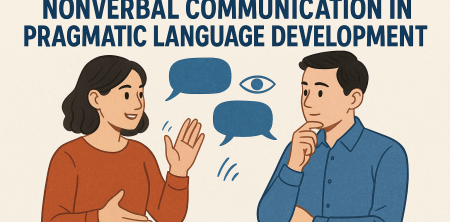
In the realm of education, the significance of nonverbal communication in pragmatic language development cannot be overstated. From the first moments of life, individuals begin to convey and interpret messages beyond spoken words, using gestures, facial expressions, and body language to enhance understanding and facilitate social interactions. This article explores the intricate relationship between nonverbal communication and pragmatic language development, providing insights into its importance, practical applications, and current relevance in educational settings.
Understanding Pragmatic Language Development
Pragmatic language skills encompass the ability to use language effectively in various social contexts. This includes understanding conversational norms, interpreting nonverbal cues, and employing language in ways that are socially appropriate. Children begin developing these skills early in life, as they engage with caregivers and peers in dynamic interactions.
Pragmatic language development is essential for effective communication. It involves more than just vocabulary and grammar; it requires an understanding of context, intention, and the ability to read nonverbal signals. For instance, a child must learn that raising their eyebrows can express surprise or that crossing their arms may signal defensiveness. These nonverbal cues are pivotal in shaping a child’s ability to communicate successfully.
The Role of Nonverbal Communication in Education
Within educational settings, nonverbal communication in education plays a vital role in the learning process. Teachers utilize nonverbal cues to convey enthusiasm, establish authority, and foster a supportive classroom atmosphere. Students, in turn, must learn to recognize and respond to these cues to engage effectively with their peers and educators.
Nonverbal communication can significantly influence student outcomes. For example, research indicates that a teacher's positive body language—such as maintaining eye contact and smiling—can enhance student motivation and engagement. Conversely, negative nonverbal signals, like avoiding eye contact or crossing one's arms, can create barriers to communication, leading to misunderstandings and disengagement.
Key Components of Nonverbal Communication
Nonverbal communication encompasses various elements, each contributing uniquely to the overall message being conveyed. Key components include:
- Facial Expressions: These convey emotions and attitudes, serving as powerful indicators of a speaker's feelings.
- Gestures: Hand movements can emphasize points, illustrate ideas, or convey meaning without words.
- Posture: Body positioning can indicate confidence, openness, or defensiveness, impacting others' perceptions.
- Eye Contact: Maintaining or avoiding eye contact can signal interest, engagement, or discomfort.
- Proximity: The physical distance between individuals can affect intimacy, authority, and comfort levels.
- Paralanguage: This includes tone, pitch, and volume of voice, which can alter the meaning of spoken words.
Understanding these components is crucial for students and educators alike. By being aware of how these elements function together, individuals can improve their communication effectiveness and enhance their interactions.
Pragmatic Language Development Stages
Pragmatic language development occurs in stages, beginning in infancy and continuing into adolescence. Each stage presents unique challenges and opportunities for learning:
- Infancy: Nonverbal communication begins at birth, with infants using crying, cooing, and facial expressions to communicate needs and emotions.
- Early Childhood: As children grow, they start using gestures and simple phrases to express themselves. They learn to interpret others' nonverbal cues, such as understanding when a caregiver is happy or upset.
- Middle Childhood: Children develop more sophisticated pragmatic skills, including the ability to understand sarcasm, humor, and the nuances of social interactions.
- Adolescence: Teenagers refine their pragmatic language abilities, becoming adept at navigating complex social situations, using language to persuade, and understanding abstract concepts.
Each stage builds upon the last, emphasizing the need for supportive environments that encourage exploration and expression through both verbal and nonverbal means.
The Intersection of Nonverbal Communication and Social Skills
Nonverbal communication is intrinsically linked to social skills, which are critical for forming relationships and engaging in collaborative learning. Children with strong pragmatic language abilities often exhibit better social skills, enabling them to navigate group dynamics effectively.
For instance, a child who can read body language may notice that a peer is feeling left out, prompting them to include that peer in an activity. This awareness not only fosters inclusivity but also builds a supportive classroom environment. Conversely, children with difficulties in nonverbal communication may struggle to make friends or engage in group work, leading to feelings of isolation.
Strategies for Enhancing Nonverbal Communication Skills in Education
Educators can implement several strategies to enhance nonverbal communication skills among students. These strategies not only improve pragmatic language development but also promote a positive classroom climate: (See: importance of communication in child development.)
- Modeling Positive Nonverbal Behaviors: Teachers should demonstrate effective nonverbal communication through consistent eye contact, open body language, and encouraging gestures. By modeling these behaviors, educators can provide students with concrete examples to emulate.
- Incorporating Role-Playing Activities: Role-playing can help students practice interpreting and using nonverbal cues. Engaging in scenarios that require different forms of expression allows students to experiment with their communication styles in a safe environment.
- Providing Feedback: Constructive feedback on students' nonverbal communication can foster growth. Educators should highlight effective nonverbal behaviors while gently correcting those that may lead to misunderstandings.
- Encouraging Reflection: Prompting students to reflect on their communication experiences can help them identify their strengths and areas for improvement. Reflection encourages self-awareness, leading to more effective interactions.
By implementing these strategies, educators foster an environment where nonverbal communication can flourish, ultimately enhancing pragmatic language development.
Current Research and Trends in Nonverbal Communication
Recent research highlights the evolving understanding of nonverbal communication and its importance in educational settings. Studies have shown that nonverbal cues can influence academic performance, emotional regulation, and peer relationships.
For example, a study published in the journal Child Development found that children who received coaching on nonverbal communication were better able to interpret social situations and felt more confident in their interactions with peers. This suggests that targeted interventions can have a profound impact on children's social competence.
Moreover, advancements in technology have introduced new avenues for exploring nonverbal communication. With the rise of virtual classrooms and online interactions, understanding nonverbal signals in digital communication is becoming increasingly important. Educators must adapt to this changing landscape by teaching students how to interpret cues in video calls or online discussions.
The Role of Cultural Context in Nonverbal Communication
Understanding nonverbal communication is not a one-size-fits-all endeavor. Cultural context plays a significant role in shaping nonverbal cues and their meanings. For instance, eye contact is perceived differently across cultures; while in some cultures it signifies confidence and engagement, in others it may be considered disrespectful.
In the classroom, educators should recognize the diverse cultural backgrounds of their students and how these may influence their understanding of nonverbal communication. Creating an inclusive environment that respects and embraces cultural differences can enhance pragmatic language development for all students.
For example, a multicultural classroom may incorporate activities that allow students to share their cultural practices regarding nonverbal communication, fostering empathy and understanding among peers.
Implications for Future Educational Practices
As we continue to explore the role of nonverbal communication in pragmatic language development, it’s crucial to integrate these insights into future educational practices. This means prioritizing training for teachers on nonverbal communication techniques and promoting awareness of its significance in everyday interactions.
Furthermore, educational curricula should include components that address nonverbal communication explicitly. Activities that encourage collaboration and peer interaction can build critical skills that extend beyond the classroom.
By fostering a culture of effective communication—both verbal and nonverbal—we can equip students with the tools they need to succeed in academic and social contexts. The integration of nonverbal communication into education will not only enhance pragmatic language development but also promote a more harmonious and understanding society.
Conclusion: Embracing Nonverbal Communication for Holistic Development
Nonverbal communication is a fundamental aspect of human interaction that shapes our understanding of the world around us. In the context of pragmatic language development, it is essential for fostering effective communication and social skills in children. As educators, parents, and community members, we must recognize the importance of nonverbal cues in education and strive to create environments that support their development.
By embracing nonverbal communication, we empower the next generation with the skills needed to navigate complex social landscapes, build meaningful relationships, and communicate effectively across diverse contexts. In doing so, we take significant steps toward nurturing holistic development in our learners, paving the way for a more connected and empathetic society.
Additional Examples of Nonverbal Communication in the Classroom
To further illustrate the impact of nonverbal communication in education, let's explore some specific examples and scenarios: (See: teaching communication skills to children.)
- The Power of a Smile: A simple smile from a teacher can create a welcoming atmosphere, encouraging students to feel safe and supported. For instance, during a challenging math lesson, a teacher's smile can help reduce anxiety and motivate students to ask questions.
- Facial Expressions in Feedback: When providing feedback, a teacher's facial expressions can convey encouragement or concern. A nod or a thumbs-up can reinforce positive behavior, while a furrowed brow may indicate the need for improvement.
- Gestures to Clarify Instructions: Teachers often use hand gestures to clarify complex instructions. For instance, raising one hand can signal students to be quiet, while arm movements can guide them through a multi-step task, such as a science experiment.
- Posture and Authority: A teacher standing tall with a confident posture can instill a sense of authority in the classroom. Conversely, slouching can convey disinterest, potentially impacting students' engagement levels.
Statistics and Research Findings in Nonverbal Communication
Understanding the impact of nonverbal communication through statistics can illuminate its importance in education. Here are some compelling findings:
- A study published in the Journal of Nonverbal Behavior found that 93% of communication effectiveness is determined by nonverbal signals, including body language, tone of voice, and facial expressions. This underscores the critical role of nonverbal communication in conveying messages.
- Research by the National Institute of Education showed that classrooms with teachers who effectively used nonverbal cues saw a 25% increase in student participation and a 15% increase in overall academic performance.
- A survey revealed that 78% of students believe they learn better in classrooms where nonverbal communication is actively employed by teachers. This highlights how nonverbal methods can enhance engagement and comprehension.
Expert Perspectives on Nonverbal Communication in Education
Insights from educational experts provide valuable perspectives on the significance of nonverbal communication. Here are some quotes and ideas from professionals in the field:
"Nonverbal communication is not just a complement to verbal instruction; it's a crucial aspect of how we connect with students and foster a learning environment." — Dr. Jane Thompson, Educational Psychologist
"Being aware of nonverbal signals can greatly enhance a teacher's effectiveness. It’s about building rapport and trust, which are essential for effective teaching." — Mr. Mark Patel, Classroom Management Consultant
"Students who can interpret nonverbal cues tend to have better social skills, which translates to improved collaboration in group projects and discussions." — Dr. Linda Chen, Child Development Specialist
FAQ: Nonverbal Communication in Education
What is nonverbal communication?
Nonverbal communication includes all the messages people send without using words. It encompasses body language, facial expressions, gestures, posture, and other forms of expression.
Why is nonverbal communication important in education?
Nonverbal communication is crucial in education because it influences student engagement, comprehension, and social interactions. Teachers who effectively use nonverbal cues can foster a more supportive and interactive learning environment.
How can teachers improve their nonverbal communication skills?
Teachers can improve their nonverbal communication by being mindful of their body language, practicing active listening, and engaging in workshops focused on communication strategies. Reflecting on their interactions can also help them identify areas for improvement.
How can students benefit from understanding nonverbal communication?
Students who understand nonverbal communication can enhance their social skills, improve their ability to interpret social situations, and engage more effectively in group work. This understanding can lead to stronger peer relationships and better overall academic performance.
What role does culture play in nonverbal communication?
Cultural context significantly influences nonverbal communication. Different cultures have unique interpretations of gestures, facial expressions, and eye contact. Educators should be aware of these differences to foster an inclusive learning environment.
How can nonverbal communication be taught in a classroom setting?
Nonverbal communication can be taught through activities such as role-playing, observing interactions, and discussing cultural differences. Teachers can also model effective nonverbal behaviors and provide feedback to students about their own nonverbal communication.
Can nonverbal communication impact student mental health?
Yes, positive nonverbal communication can significantly enhance a student's mental health by creating a supportive and encouraging classroom environment. Conversely, negative nonverbal signals can contribute to anxiety and disengagement.
What are some common nonverbal communication mistakes to avoid?
Common mistakes include inconsistent body language, lack of eye contact, closed body posture, and failing to acknowledge students’ nonverbal cues. Being aware of these pitfalls can help educators communicate more effectively.
New Trends in Nonverbal Communication Research
As education evolves, so do the studies surrounding nonverbal communication. Recently, there’s been an increased focus on how nonverbal cues can affect learning in digital environments. Research indicates that in online classrooms, teachers who utilize appropriate nonverbal signals—like facial expressions and gestures—can significantly enhance student engagement compared to those who do not.
Moreover, the development of artificial intelligence tools designed to analyze nonverbal cues in real-time is on the rise. These tools are being integrated into educational settings to provide immediate feedback to both students and educators about their nonverbal communication effectiveness. This technological advance could revolutionize how nonverbal communication is taught and understood in classrooms across the globe.
Real-World Applications of Nonverbal Communication Skills
The skills learned through understanding and practicing nonverbal communication extend beyond the classroom. In the real world, individuals who are adept at reading nonverbal cues can excel in various fields, particularly those that require negotiation, sales, or teamwork. For example:
- In Business: Professionals who can discern nonverbal signals during meetings or negotiations are often more successful in closing deals. They can gauge a client's enthusiasm or hesitation through subtle body language changes.
- In Healthcare: Medical professionals who recognize the nonverbal distress signals of their patients can provide better care. Understanding when a patient is anxious or uncomfortable can lead to a more compassionate and effective treatment approach.
- In Social Services: Social workers who understand the nonverbal communication of their clients can build stronger relationships, helping to address underlying issues that may not be verbally expressed.
Enhancing Nonverbal Communication through Arts and Drama
Engaging students in the arts can significantly enhance their nonverbal communication skills. Drama and theater programs provide a unique platform for students to explore and express emotions through body language and facial expressions. By participating in performances, students learn how to convey messages without words, resulting in a deeper understanding of the nuances of nonverbal communication.
Activities such as improvisation exercises encourage spontaneity and creativity while focusing on nonverbal cues. For instance, students can participate in exercises where they must convey a specific emotion without using words, relying solely on their body movements and expressions. Such experiences not only boost confidence but also foster the ability to read others’ nonverbal cues effectively.
Looking Ahead: The Future of Nonverbal Communication in Education
As we look to the future, the role of nonverbal communication in education will likely expand. With the increasing prevalence of online learning, educators must be equipped with strategies to teach students how to interpret and utilize nonverbal communication in digital environments. This will involve developing curricula that integrate these skills into everyday learning activities.
Additionally, ongoing professional development for educators focused on nonverbal communication techniques will be essential. As we continue to uncover the complexities of human interaction, understanding and applying nonverbal communication effectively will be a critical component of educational success. By prioritizing these skills, we can create not only better learners but also more socially competent individuals prepared for a diverse, interconnected world.
```
Trending Now
- our breakdown of unlocking opportunities: why the senior ai engineer education role at a.team matters
- this guide on official vs. unofficial transcript: what’s the difference?
- How Kinesthetic Learning Helps Students with ADHD Focus
- this guide on how to improve your high school transcript before college applications
Frequently Asked Questions
What is the importance of nonverbal communication in language development?
Nonverbal communication is crucial in language development as it enhances understanding and facilitates social interactions. Children use gestures, facial expressions, and body language alongside spoken words to convey meaning, helping them interpret social cues and develop pragmatic language skills.
How does nonverbal communication influence education?
In educational settings, nonverbal communication significantly impacts the learning process. Teachers use body language and facial expressions to convey enthusiasm and establish authority, while students must recognize these cues to engage effectively with their peers and educators.
What are pragmatic language skills?
Pragmatic language skills involve using language effectively in social contexts. This includes understanding conversational norms, interpreting nonverbal cues, and employing language appropriately, all of which are essential for successful communication and social interaction.
At what age do children start developing nonverbal communication skills?
Children begin developing nonverbal communication skills from their earliest moments of life. They learn to convey and interpret messages through gestures and facial expressions while interacting with caregivers and peers, laying the groundwork for effective social communication.
What role do nonverbal cues play in social interactions?
Nonverbal cues are pivotal in social interactions as they help individuals understand context and emotional intent. For example, gestures like raising eyebrows can express surprise, while body language such as crossed arms may indicate defensiveness, influencing how messages are interpreted.
Agree or disagree? Drop a comment and tell us what you think.

