```html
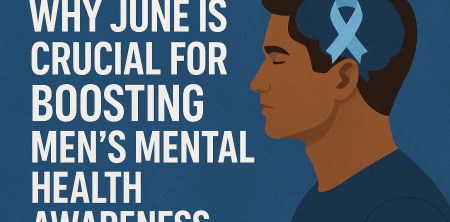
As the month of June rolls in, conversations about men's mental health awareness are surfacing with increasing intensity. With Men’s Mental Health Month and Father’s Day coinciding, the timing couldn’t be better to highlight a pressing issue that often goes unaddressed. Many men silently grapple with depression, anxiety, and emotional isolation, and recent social media campaigns are striving to bring these struggles into the light. The combination of personal identity, societal stigma, and a strong need for support makes this dialogue not only timely but vital.
The Significance of June for Men's Mental Health
June serves as a pivotal month for raising awareness about men's mental health. The observance of Men’s Mental Health Month is particularly significant because it aligns with Father’s Day, a time when many reflect on their roles as fathers, partners, and friends. These reflections open the door to discussions about mental well-being, especially among men who often feel societal pressure to maintain stoicism.
Father’s Day imagery often romanticizes fatherhood, but behind the scenes, many fathers are struggling with their mental health. This juxtaposition creates an emotional pull that can inspire men to share their experiences, ultimately reducing the stigma surrounding mental health issues.
The Power of Social Media in Spreading Awareness
Social media has become a powerful platform for promoting men's mental health awareness. Posts that gain traction often combine personal stories with actionable advice, creating a sense of community among men who feel isolated. The viral nature of these posts allows for a wider reach, making it easier to connect with those who might otherwise avoid traditional help-seeking avenues.
Platforms such as Instagram and Twitter are particularly adept at fostering these conversations through hashtags and engaging visuals. As users share stories, supportive messages, and resources, they create an environment where discussing mental health becomes normalized. This grassroots movement emphasizes that mental health struggles are not only common but also worthy of attention and compassion.
Men's Mental Health: A Silent Crisis
Despite growing awareness, the stigma surrounding men's mental health persists. Society often conditions men to believe that expressing vulnerability is a sign of weakness. This results in emotional isolation, with many men suffering in silence rather than seeking help. According to the American Psychological Association, men are less likely to seek mental health treatment than women, often due to cultural pressures that equate masculinity with emotional toughness.
Moreover, the COVID-19 pandemic has exacerbated these issues. Many men found themselves isolated, struggling with job loss, financial instability, and the pressure to provide for their families. The impact of these stressors on mental health cannot be overstated, making the need for open conversations around men's mental health even more critical.
Highlighting Warning Signs
Recognizing the warning signs of mental health struggles is crucial in promoting men's mental health awareness. Common indicators include changes in mood, withdrawal from social activities, and difficulty concentrating. Men might also express their struggles through irritability or anger, which can often be misinterpreted by those around them.
Social media campaigns have begun to focus on educating individuals about these signs, encouraging men to acknowledge their feelings and seek help. For example, posts often include simple infographics or personal anecdotes that outline these symptoms, making it easier for men to identify when they or someone they care about might need support.
Creating Spaces for Support
Building supportive environments is essential for promoting mental health awareness. Community initiatives and workplaces are increasingly recognizing the importance of mental health resources for men. Programs aimed at creating safe spaces for men to discuss their feelings can significantly reduce feelings of isolation.
Organizations can play a crucial role in fostering this environment by offering workshops, support groups, and training sessions on mental well-being. Additionally, encouraging peer mentoring can help men feel more comfortable discussing their mental health challenges. By creating these supportive spaces, we can make it easier for men to reach out and share their struggles. (See: CDC on mental health awareness.)
The Role of Fathers in Shaping Perspectives
Fathers play an integral role in shaping attitudes towards mental health within families. By openly discussing their own mental health, fathers can set a precedent for their children, encouraging the next generation to prioritize emotional well-being. This is especially relevant during Father’s Day, a time when many reflect on their paternal relationships.
Studies suggest that children who grow up in homes where mental health is openly discussed are more likely to develop healthy coping mechanisms. As fathers embrace vulnerability, they model the importance of mental health, thereby normalizing these conversations for their children and loved ones. We covered mental health insights in more detail.
Stigma Reduction Through Education
Reducing stigma is a multifaceted process that begins with education. Many men are unaware of the resources available to them or may misinterpret seeking help as a sign of failure. By disseminating information on mental health resources through social media, community events, and educational campaigns, we can empower men to take proactive steps for their mental well-being.
Educational content can include everything from informational videos to articles detailing the mental health resources available in the community. This not only informs men about their options but also emphasizes that seeking help is a brave and necessary step in the journey towards mental wellness.
Encouraging Open Dialogue
Open dialogue is crucial for promoting men's mental health awareness. Conversations about mental health should not be limited to specific occasions or events; they should be a regular part of our everyday discussions. Encouraging men to share their experiences and feelings can foster an environment where mental health is viewed as a priority.
Social media's role in facilitating these dialogues cannot be underestimated. Platforms that encourage the sharing of personal stories create a sense of solidarity among men. As these conversations become more normalized, more individuals may feel comfortable discussing their struggles openly, ultimately leading to a cultural shift in how we view men's mental health.
The Way Forward
As we move through June, it's crucial to maintain momentum in the conversation surrounding men's mental health awareness. While the month provides a natural opportunity to spotlight these issues, the goal should be to cultivate ongoing discussions that extend well beyond June. Advocacy, education, and community support must be sustained year-round.
To facilitate this, individuals and organizations alike can take actionable steps. Hosting workshops, creating online support groups, and sharing resources on social media can help keep the conversation alive. Moreover, participating in or organizing community events focused on mental health can bring people together and further normalize these important discussions.
Ultimately, men’s mental health awareness isn't just about raising awareness but fostering an understanding that mental health is as crucial as physical health. By challenging norms and speaking openly, we can contribute to a future where every man feels comfortable discussing his mental health without fear of judgment.
Statistics on Men's Mental Health
While awareness is growing, many statistics still highlight the severe impact of mental health issues among men. The National Institute of Mental Health reports that nearly 9% of men experience depression at some point in their lives, but the numbers may be higher due to underreporting. Men often exhibit different signs of depression compared to women, leading to misdiagnosis and a lack of appropriate treatment.
Furthermore, the World Health Organization emphasizes that suicide is one of the leading causes of death among men worldwide, particularly in those aged 15-29. In the U.S., men are almost four times more likely than women to die by suicide, which starkly underscores the need for urgent interventions and support systems.
Expert Perspectives on Men's Mental Health
Experts in psychology and psychiatry emphasize the importance of addressing men's mental health from multiple angles. Dr. John D. Grohol, founder of Psych Central, notes that societal expectations often pressure men to repress their emotions, leading to complications in both their mental and physical health. He advocates for creating more inclusive environments where vulnerability is seen as strength, not weakness. (See: NIMH statistics on mental illness.)
Another prominent figure in the field, Dr. Janet Taylor, a psychiatrist and advocate for mental health, stresses the importance of role models in changing perceptions. "When men see other men talking about their mental health challenges publicly, it dismantles the myth that they have to 'tough it out' alone," she explains. She suggests that media representation and real-life testimonials can significantly impact how men perceive seeking help.
Comparative Analysis: Men's vs. Women's Mental Health
Understanding the differences in how men and women experience and report mental health issues is critical. Research shows that women are more likely to experience anxiety disorders and depression, but men are more likely to report substance abuse problems as a way of coping with their emotional pain. This difference in coping mechanisms can lead to varying treatment paths, emphasizing the need for gender-sensitive approaches in mental health care.
Moreover, while women are generally more open to seeking help, men often resort to self-medicating with alcohol or drugs. A study by the Substance Abuse and Mental Health Services Administration found that 61% of men with mental illness received no treatment, compared to 51% of women. This gap indicates a significant need for tailored outreach programs aimed specifically at men.
Men's Mental Health in the Workplace
The workplace plays a crucial role in men's mental health awareness. Many men spend a significant portion of their lives at work, and workplace culture can have a profound impact on mental well-being. Companies that prioritize mental health by offering workshops, mental health days, and counseling services can create environments where men feel supported and valued.
For example, organizations like SAP and Unilever have implemented mental health initiatives that focus on reducing stigma, offering training programs for managers, and providing resources for employees to seek help. These proactive measures not only improve employee satisfaction but also enhance overall productivity and morale.
Frequently Asked Questions (FAQ)
What are common mental health issues faced by men?
Common mental health issues among men include depression, anxiety, substance use disorders, and stress-related conditions. Many men may also experience issues related to anger management and emotional regulation.
How can I encourage a man in my life to seek help?
Encouraging someone to seek help starts with open and non-judgmental conversations. Express your concern, listen without interrupting, and validate their feelings. Offer to help them find resources or accompany them to appointments if they're comfortable.
What resources are available for men struggling with mental health issues?
There are numerous resources available, including hotlines like the National Suicide Prevention Lifeline, local mental health clinics, and online therapy platforms. Many organizations also provide support groups specifically for men, where they can share experiences in a safe space.
How can I help raise awareness about men's mental health?
There are many ways to raise awareness, from sharing educational content on social media to organizing community events focused on mental health. You can also engage in conversations with friends and family to break the stigma and encourage open discussions about mental health.
What role does physical health play in mental health?
Physical health is closely linked to mental health. Regular exercise, a balanced diet, and sufficient sleep can significantly impact mental well-being. Men who take care of their physical health often report better mental health and lower levels of anxiety and depression. (See: WHO fact sheet on mental health.)
Societal Expectations and Their Impact on Men's Mental Health
Society places considerable expectations on men, often dictating how they should behave in various roles, from fatherhood to career. These expectations can create immense pressure that contributes to mental health issues. Many men feel they must be providers and protectors, which can lead to feelings of inadequacy if they perceive themselves as failing in these roles.
For instance, the pressure to be "the breadwinner" can lead to anxiety and stress, especially in challenging economic times. When men feel they cannot meet these expectations, it can contribute to feelings of worthlessness and despair. Addressing and redefining societal expectations around masculinity is crucial for improving men's mental health outcomes.
The Importance of Mental Health Education in Schools
Integrating mental health education into school curriculums can play a significant role in shaping young boys' attitudes towards mental health. By teaching boys about emotional intelligence and the importance of mental wellness from a young age, we can help destigmatize these issues before they become entrenched in adulthood.
Programs that focus on mental health literacy can equip boys with the tools to recognize their emotions, cope with stress, and seek help when needed. Schools that implement mental health programs often see a decrease in bullying and increased empathy among students, creating a supportive environment for all. This proactive approach can be a powerful way to change the narrative surrounding men's mental health. This builds on AI chatbots for therapy.
Community Initiatives Promoting Men's Mental Health
Various community initiatives have emerged to promote men's mental health awareness, providing safe spaces for men to discuss their experiences. Men's sheds, for example, have gained popularity in many regions. These community workshops invite men to come together to engage in various activities while discussing their mental health in a supportive environment. They serve as a reminder that it's okay to talk about feelings while also engaging in hands-on projects.
Additionally, organizations are increasingly hosting events like "Movember," where men are encouraged to grow mustaches for the month of November to raise awareness and funds for men's health projects, including mental health. These initiatives not only create awareness but also foster a sense of community and belonging among participants.
By expanding our understanding, resources, and discussions surrounding men's mental health awareness, we can create a future where men feel empowered to prioritize their mental health just as they do their physical health.
```
Trending Now
Frequently Asked Questions
Why is June important for men's mental health awareness?
June is crucial for men's mental health awareness as it marks Men’s Mental Health Month and coincides with Father’s Day. This timing encourages discussions about mental well-being and helps address the stigma men face regarding their mental health struggles.
What are common mental health issues faced by men?
Common mental health issues faced by men include depression, anxiety, and emotional isolation. Many men grapple with these challenges silently due to societal pressures to appear strong and stoic.
How does social media help raise awareness for men's mental health?
Social media plays a significant role in raising awareness for men's mental health by providing a platform for personal stories and actionable advice. It fosters community support and encourages men to engage in conversations that might otherwise be avoided.
What impact does Father's Day have on men's mental health discussions?
Father’s Day prompts reflections on fatherhood and male roles, creating opportunities for men to discuss their mental health. This juxtaposition can inspire men to share their struggles, reducing stigma and encouraging open dialogue.
What strategies can men use to improve their mental health?
Men can improve their mental health by seeking support from friends and family, engaging in open conversations about their feelings, and utilizing social media resources. Additionally, professional help and community engagement can provide valuable support.
Agree or disagree? Drop a comment and tell us what you think.

