```html
In a world where quick fixes and miracle pills often dominate health conversations, a recent study published in JAMA presents a staggering revelation: lifestyle interventions outperform daily metformin in reducing multimorbidity among adults with prediabetes. This finding has ignited passionate discussions among health enthusiasts and medical professionals alike, pointing to the crucial role of lifestyle changes in chronic disease prevention. Let’s explore the implications of this study and why embracing lifestyle interventions for prediabetes is not just beneficial but essential. (simple diet change benefits)
1. The Study That Challenged Assumptions
On June 18, 2026, a groundbreaking study was published in the Journal of the American Medical Association (JAMA). This research sought to evaluate the long-held belief that metformin, a standard medication prescribed for prediabetes, effectively reduces the risk of developing multiple chronic conditions, collectively known as multimorbidity. The results were surprising: participants who made lifestyle changes—such as improved diet and increased physical activity—showed significantly better outcomes than those who relied solely on metformin.
This pivotal study challenges the assumption that medication alone can tackle the complexities of prediabetes and its associated risks. As millions of individuals are diagnosed with prediabetes each year, this research offers not just insights but actionable guidance for effectively managing their health.
2. Understanding Multimorbidity
Multimorbidity refers to the coexistence of two or more chronic conditions in an individual. In the context of prediabetes, common complications include cardiovascular disease, hypertension, and type 2 diabetes itself. According to the Centers for Disease Control and Prevention (CDC), nearly 88 million American adults are living with prediabetes, many of whom are unaware of their condition. The reality is that without appropriate intervention, these individuals face a higher risk of developing serious health issues.
Understanding the risks associated with multimorbidity is critical in motivating individuals to seek preventive strategies. The psychological burden of knowing one’s health is at risk can be overwhelming, but the right lifestyle interventions can empower individuals to take control of their health journey.
3. The Role of Metformin
Metformin has long been regarded as the go-to medication for managing blood sugar levels in prediabetic patients. It works by improving insulin sensitivity and reducing glucose production in the liver. However, this study indicates that while metformin may help with immediate blood sugar control, it does not address the broader issue of preventing multimorbidity.
Moreover, relying solely on medication can create a false sense of security, leading individuals to overlook crucial lifestyle changes that are necessary for long-term health. The findings from the JAMA study serve as a wake-up call: medication should be part of a holistic approach that includes robust lifestyle modifications.
4. Defining Lifestyle Interventions
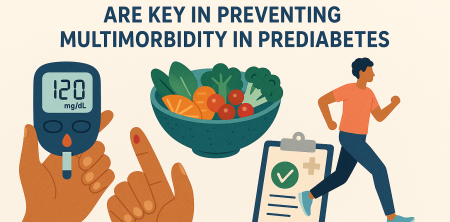
Lifestyle interventions encompass a range of strategies aimed at improving overall health through changes in diet, physical activity, and behavior. Key components include:
- Dietary Changes: Focusing on a balanced diet rich in fruits, vegetables, whole grains, and lean proteins while reducing intake of processed foods and sugars.
- Increased Physical Activity: Engaging in regular exercise, such as walking, cycling, or strength training, to enhance cardiovascular health and maintain a healthy weight.
- Behavioral Modifications: Implementing strategies to reduce stress, increase sleep quality, and foster a supportive social network.
These interventions not only help in managing blood sugar levels but also significantly lower the risk of developing multiple chronic conditions, effectively addressing the root causes of prediabetes.
5. Why Lifestyle Changes Are More Effective
The JAMA study emphasizes that lifestyle interventions are more effective at reducing multimorbidity than medication alone. The reasons are multifaceted. First, lifestyle changes lead to sustainable weight loss, improved cardiovascular health, and enhanced metabolic function. Unlike a pill, these changes have a ripple effect on overall well-being.
For instance, participants in the study who adopted healthier eating habits and incorporated physical activity into their daily routines reported not only better blood sugar levels but also higher energy levels and improved mental health. The comprehensive benefits of lifestyle modifications underscore the necessity of looking beyond pharmacological solutions. (See: CDC on prediabetes and lifestyle changes.)
6. Addressing the Social Media Buzz
The revelations from this study have sparked a flurry of discussions across social media platforms. Health-conscious individuals are eager to engage in conversations about the implications of relying solely on metformin. Many express concern that they might have been misled about the effectiveness of medication without the necessary lifestyle changes.
This online dialogue is crucial, as it encourages individuals to re-evaluate their health strategies and prioritize long-term solutions over quick fixes. Social media serves as an empowering tool for sharing success stories, tips, and resources, creating a supportive community that promotes healthy living.
7. Real-Life Impact: Success Stories
To illustrate the power of lifestyle interventions, consider the story of Sarah, a 45-year-old woman diagnosed with prediabetes. Initially, Sarah was prescribed metformin, but after attending a diabetes education program, she shifted her focus to lifestyle changes. Over the course of six months, she revamped her diet, started a daily walking routine, and joined a local gym.
The results were astounding: Sarah not only lost 20 pounds but also achieved a significant drop in her blood sugar levels. Most importantly, her risk of developing multimorbidity decreased dramatically. Sarah’s story is just one of many that highlight the transformative potential of lifestyle interventions, providing tangible proof that change is possible.
8. Expert Opinions on the Findings
Health experts are vocal about the implications of the JAMA study. Dr. Emily Johnson, a leading endocrinologist, states, "This research reinforces what we’ve known in the medical community: lifestyle interventions are foundational in managing prediabetes. While medications like metformin have their place, they should be part of a broader strategy that includes lifestyle changes."
Similarly, registered dietitian Mark Lee emphasizes the importance of dietary adjustments: "The food we eat has a direct impact on our health outcomes. By choosing nutrient-dense foods and engaging in regular physical activity, patients can significantly lower their risk of complications."
The consensus among experts is clear: lifestyle interventions are not merely beneficial; they are essential for effectively managing prediabetes and preventing multimorbidity.
9. Taking Action: Your Next Steps
The findings from the JAMA study serve as a powerful call to action. If you or someone you know is at risk for prediabetes, consider the following steps:
- Consult with a Healthcare Professional: Work with your doctor to establish a comprehensive plan that includes both medication, if necessary, and lifestyle changes.
- Set Realistic Goals: Start with small, achievable health goals, such as incorporating more fruits and vegetables into your diet or committing to 30 minutes of exercise a day.
- Join a Support Group: Seek out communities focused on healthy living; peer support can be incredibly motivating.
- Educate Yourself: Stay informed about the latest research and strategies for managing prediabetes through reputable sources.
By taking proactive steps today, you can significantly reduce your risk of multimorbidity and enhance your overall quality of life. Remember, lifestyle interventions are not just an option; they are a necessity for effective health management in the face of prediabetes.
10. Deeper Dive into Lifestyle Interventions
Understanding the components of lifestyle interventions can help individuals tailor their approach to managing prediabetes. Each element plays a unique role in fostering better health outcomes and can be modified to fit personal preferences and lifestyles.
Dietary Changes
When it comes to dietary changes, it's essential to embrace a whole-foods approach. This means prioritizing foods that are minimally processed and rich in nutrients. For example, choosing whole grains like quinoa or brown rice over white rice can help control blood sugar levels more effectively. The American Diabetes Association recommends a diet rich in fiber, which not only helps in blood sugar management but also promotes better heart health.
In addition, portion control is crucial. Understanding serving sizes can prevent overeating and help maintain a healthy weight. An interesting statistic from the National Institute of Diabetes and Digestive and Kidney Diseases suggests that a modest weight loss of just 5 to 7% can significantly reduce the risk of developing type 2 diabetes in those with prediabetes.
Physical Activity Insights
Physical activity is another cornerstone of lifestyle interventions. The CDC recommends at least 150 minutes of moderate aerobic activity each week, which can include brisk walking, swimming, or dancing. Resistance training is also beneficial, as it helps build muscle mass, which can enhance insulin sensitivity. (See: NIH study on lifestyle vs medication.)
Many people find it helpful to incorporate physical activity into their daily routines in enjoyable ways. For example, biking to work instead of driving or taking the stairs instead of the elevator can make a significant difference over time.
Behavioral Modifications
Behavioral changes often go hand-in-hand with diet and exercise. Strategies like mindfulness meditation can lower stress levels, which is vital since chronic stress can lead to hormonal changes that increase blood sugar levels. Keeping a journal or diary of food intake and physical activity can also help maintain accountability and highlight areas for improvement.
Moreover, sleep quality should not be overlooked. Research shows that poor sleep can lead to insulin resistance and increased appetite, further complicating blood sugar management. Aim for 7 to 9 hours of quality sleep per night.
11. Statistics About Prediabetes and Lifestyle Interventions
Statistics reveal the alarming prevalence of prediabetes and highlight the impact of lifestyle interventions:
- According to the CDC, nearly 88 million American adults have prediabetes, and more than 84% of them are unaware of their condition.
- The Diabetes Prevention Program (DPP) found that participants who engaged in lifestyle changes reduced their risk of developing diabetes by 58% over three years.
- Research shows that individuals who maintain a healthy lifestyle can reduce their risk of heart disease by up to 80% compared to those who do not.
- A survey conducted by the American Association of Diabetes Educators found that 65% of participants reported improved blood sugar control after making lifestyle changes.
12. Common Questions About Lifestyle Interventions and Prediabetes
What are some examples of lifestyle interventions for prediabetes?
Examples include adopting a Mediterranean diet, increasing daily physical activities such as walking or yoga, practicing mindfulness or stress-reduction techniques, and maintaining regular health check-ups to monitor blood sugar levels.
How long will it take to see results from lifestyle interventions?
While individual results may vary, many people begin to see improvements in their blood sugar levels and overall well-being within a few weeks. Long-term commitment is key to sustaining these results.
Can I still take metformin while implementing lifestyle interventions?
Yes, many physicians recommend combining metformin with lifestyle changes for the best outcomes. It’s essential to discuss any changes in your treatment plan with your healthcare provider.
Are lifestyle interventions effective for everyone with prediabetes?
While lifestyle interventions can significantly benefit most people with prediabetes, individual responses may vary. It's important to work with healthcare professionals to develop a personalized plan.
What role do support systems play in lifestyle interventions?
A strong support system can greatly enhance the success of lifestyle changes. Friends, family, and support groups provide encouragement, accountability, and shared experiences that can motivate individuals to stick to their goals. There's a fuller look at Mayo Clinic Diet success.
13. Comparing Lifestyle Interventions with Medication
When evaluating the effectiveness of lifestyle interventions versus medication, it's helpful to look at various studies and data available. For instance, in a meta-analysis involving multiple clinical trials, lifestyle changes demonstrated a more significant reduction in body weight and improved blood glucose levels compared to metformin alone. This suggests a deeper, more sustainable impact on health from lifestyle modifications. (See: WHO fact sheet on diabetes.)
Furthermore, patients who implemented lifestyle changes reported increased satisfaction with their care, better quality of life, and a greater sense of empowerment regarding their health. These subjective benefits often accompany objective improvements, reinforcing the idea that lifestyle interventions can lead to a more holistic recovery.
In contrast, while metformin can effectively control blood sugar levels, it does not necessarily address weight gain associated with the medication or the lifestyle factors contributing to health decline. Emerging studies suggest that relying solely on medications may contribute to a cycle of dependency without fostering independence and self-management.
14. Community Resources and Support
Community resources can significantly enhance the effectiveness of lifestyle interventions. Many healthcare systems and non-profit organizations offer programs designed to support individuals at risk for prediabetes:
- Diabetes Prevention Programs (DPP): These structured programs provide access to lifestyle coaches, group support sessions, and educational resources aimed at preventing diabetes through lifestyle changes.
- Local Fitness Initiatives: Many communities have free or low-cost fitness classes geared toward all levels of physical ability, making it easier for individuals to find an exercise routine they enjoy.
- Nutrition Workshops: Workshops on healthy cooking and nutrition education can empower individuals to make better dietary choices at home.
- Online Support Groups: Virtual platforms provide a convenient way to connect with others on a similar journey, allowing for shared experiences and encouragement.
Taking advantage of these resources can provide the guidance and support necessary to make lasting lifestyle changes.
15. Future Trends in Prediabetes Management
The future of prediabetes management is likely to incorporate even more technology and personalized care approaches. Wearable fitness devices, for instance, can help track physical activity levels, monitor heart rate, and even provide reminders for healthy habits. This technology empowers individuals to take control of their health proactively.
Telehealth services have also expanded, making it easier for individuals to consult with healthcare professionals from the comfort of their homes. This accessibility can lead to more frequent check-ins and adjustments to lifestyle interventions, ensuring that individuals remain on track.
Moreover, ongoing research into the microbiome’s role in diabetes management may uncover new insights into how diet and gut health influence blood sugar levels. This highlights the importance of staying updated with the latest findings and adapting strategies accordingly to optimize health outcomes.
16. Conclusion
Clearly, the research indicates that lifestyle interventions are a powerful tool in managing prediabetes and preventing multimorbidity. By focusing on sustainable dietary changes, increasing physical activity, and implementing behavioral modifications, individuals can dramatically improve their health outcomes. The findings from the JAMA study are not just a wake-up call; they are an invitation to take control of one’s health journey. With the right approach and support, transforming your lifestyle can be the key to achieving and maintaining optimal health.
```
Trending Now
Frequently Asked Questions
What are lifestyle interventions for prediabetes?
Lifestyle interventions for prediabetes include changes in diet, increased physical activity, weight management, and stress reduction. These changes aim to improve overall health and reduce the risk of developing chronic conditions such as type 2 diabetes and cardiovascular disease.
How effective are lifestyle changes compared to medication for prediabetes?
Recent studies, including one published in JAMA, have shown that lifestyle changes are more effective than daily metformin in reducing multimorbidity in adults with prediabetes. Participants who adopted healthier habits experienced significantly better health outcomes.
What is multimorbidity and why is it a concern for prediabetes?
Multimorbidity refers to the presence of two or more chronic conditions in an individual. For those with prediabetes, this can include diabetes, hypertension, and cardiovascular diseases, making lifestyle interventions crucial to prevent these complications.
Can lifestyle changes really prevent type 2 diabetes?
Yes, adopting lifestyle changes such as a balanced diet and regular exercise has been shown to significantly lower the risk of developing type 2 diabetes in individuals with prediabetes, according to recent research.
What role does diet play in managing prediabetes?
Diet plays a critical role in managing prediabetes. A balanced diet rich in whole grains, fruits, vegetables, and lean proteins can help regulate blood sugar levels and promote weight loss, thereby reducing the risk of developing multimorbidity.
Have you experienced this yourself? We'd love to hear your story in the comments.

