```html
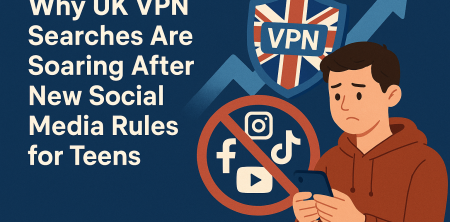
The digital landscape is ever-changing, and it seems that UK VPN searches are experiencing a significant surge following recent governmental proposals aimed at social media access for those under 16. This uptick isn't just an incidental spike in interest; it reflects a deep-rooted concern among parents, teens, and privacy advocates regarding online safety, parental control, and government oversight. As the discussions around these policies heat up, understanding the implications for digital privacy and youth safety becomes crucial. (important changes for teens)
Understanding the Recent Policy Proposal
In September 2023, UK ministers put forth a plan that would heavily regulate social media usage for individuals under the age of 16. This initiative aims to create a safer online environment for children and teenagers, an objective that many can agree warrants attention. However, the implications of this plan have sparked a widespread conversation about parental control and the role of government in monitoring online activity.
The Emotional Response to Online Safety
When it comes to minors and the internet, emotions run high. Parents often grapple with the challenge of ensuring their children are safe online while also respecting their autonomy. The proposed legislation inadvertently raised alarms about privacy rights, leading many to consider how they can protect their family’s digital presence.
This concern is not unfounded; many parents are wary of government surveillance and the potential for overreach in monitoring their children’s online activities. The emotional weight of the issue drives many to seek solutions, resulting in the observable spike in UK VPN searches.
The Surge in UK VPN Searches
According to recent data, the search interest in UK VPN services hit its highest level since early August 2023. This spike indicates that consumers are not merely participating in abstract discussions; they are actively seeking tools to safeguard their online privacy. The rise in searches suggests a growing awareness of the role VPNs can play in protecting personal information.
While some may view VPNs primarily as a means to access geo-restricted content, their utility as a privacy tool has become a prominent factor in this current climate. Consumers are increasingly recognizing that a VPN can serve as a barrier against unwanted surveillance, whether from the government or prying eyes on social media.
What Is Driving the Interest in VPNs?
Several compelling factors are at play in driving UK VPN searches. Firstly, the realization that government policies can potentially limit access to information is a wake-up call for many. The internet has become a critical resource, especially for young minds seeking knowledge and connection. Any perceived threat to this access spurs a protective instinct, prompting parents to explore VPN options.
Secondly, there’s an inherent distrust of government intentions. Even as the aims of the proposed legislation appear to be rooted in safety, people are questioning the extent of surveillance and control that may come with it. As a result, VPNs are seen as a way to maintain privacy in an increasingly monitored digital era.
The Role of Parental Control in Online Safety
Parental control has long been a contentious issue in discussions surrounding youth and technology. On one hand, parents want to ensure their children are navigating the online world safely; on the other, they do not want to impose restrictive measures that could hinder their child’s development and independence.
VPNs present a unique solution to this dilemma. They allow parents to maintain a level of oversight without being overly invasive. By using a VPN, parents can help their children access the internet safely, shielding them from harmful content while still allowing for freedom of exploration.
Examining the Implications of Government Surveillance
The intersection of government policy and digital privacy raises essential questions. Many critics of the proposed social media regulations express concern that increased surveillance could lead to a slippery slope of control. Such fears are particularly pronounced among young people who value their privacy and freedom. (See: Youth risk behavior surveillance.)
With the rapid pace of technological advancement, it’s vital to scrutinize how such regulatory measures may evolve. As parents search for ways to protect their children online, they are also questioning whether their own privacy could be compromised amid government monitoring.
Why Teens Are Seeking VPNs Too
Interestingly, while parents are a driving force behind the increase in UK VPN searches, many teens are also turning to VPNs as a means of preserving their autonomy. As teens become more aware of their digital rights, they may see VPNs as tools for circumventing restrictions imposed by both parents and the government.
For many young individuals, the prospect of being limited to a particular online experience feels stifling. VPNs offer an avenue for exploration, allowing teens to access a broader range of content without compromising their privacy. This dual demand from both parents and teens for VPN services illustrates the complex dynamics at play in today’s digital environment.
What You Need to Know About Choosing a VPN
For those considering a VPN, navigating the myriad of options available can be overwhelming. Here are crucial factors to keep in mind:
- Privacy Policy: Ensure the VPN provider has a clear and transparent privacy policy. Look for a no-logs policy, which means the service doesn’t store user activity.
- Server Locations: A diverse range of server locations allows you to bypass geo-restrictions more effectively. Check if the VPN has servers in your desired countries.
- Speed and Performance: Read reviews and choose a VPN known for its reliable performance. A slow connection can hinder your online experience.
- Customer Support: Opt for a VPN that offers robust customer support, including live chat or phone assistance, in case you run into issues.
- Price: Compare pricing structures, but remember that the cheapest option isn’t always the best. Look for value in security features and service quality.
Taking the time to research these factors can empower families to make informed decisions about their online privacy.
Future Implications for UK Digital Privacy
The current uptick in UK VPN searches signifies more than just a passing trend; it highlights a broader societal concern regarding digital privacy, especially among vulnerable populations like minors. As discussions around government oversight and parental control continue, it’s likely that both consumers and policymakers will need to engage in ongoing dialogue.
With the rise of privacy-focused tools like VPNs, individuals are not only taking charge of their online safety but also advocating for a culture that respects digital rights. This ongoing shift could lead to a more informed public that demands transparency and accountability from both tech companies and government entities.
The Broader Context of VPN Utilization
The increase in UK VPN searches also ties into a larger global narrative about digital rights. Across various nations, citizens are grappling with similar privacy concerns, whether due to government regulations, corporate data mining, or cyber threats. As a result, the VPN market has seen considerable growth, with more individuals seeking ways to protect their data and personal information.
As people worldwide become more aware of the implications of their digital footprints, the demand for privacy-enhancing technologies is likely to continue rising. This trend emphasizes the need for educational resources to help consumers understand their rights and the technology available to protect them.
Comparing Popular VPN Services in the UK
With the surge in UK VPN searches, many families are looking for the best options available. Here’s a comparison of some popular VPN services in the UK, highlighting their key features, strengths, and weaknesses:
| VPN Service | Price (Monthly) | Key Features | Pros | Cons |
|---|---|---|---|---|
| NordVPN | £9.56 | Double VPN, CyberSec, 5000+ servers | Strong security, fast speeds | Some servers can be inconsistent |
| ExpressVPN | £10.59 | Split tunneling, TrustedServer technology, 3000+ servers | Excellent for streaming, user-friendly | Higher price point |
| Surfshark | £2.49 | Unlimited devices, CleanWeb, 3200+ servers | Affordable, good for families | Occasional speed fluctuations |
| CyberGhost | £2.25 | Specialized servers for streaming, 7000+ servers | Great for beginners, good value | Privacy policy concerns in the past |
When selecting a VPN, it’s important to consider not just the price but also the features that will meet your family’s specific needs. Look for user reviews and independent testing results to guide your decision.
Real-Life Scenarios: How VPNs Can Help
Understanding the practical applications of VPNs can clarify their importance for both parents and teens. Here are a couple of scenarios illustrating how VPNs can enhance online safety and privacy:
Scenario 1: A Teen Navigating Social Media
Imagine a teen who wants to connect with friends on social media but is concerned about privacy settings and data tracking. By using a VPN, the teen can help anonymize their online presence, making it more difficult for advertisers or even potential stalkers to track their activity. This added layer of security can provide peace of mind, allowing them to enjoy social interactions without the constant worry of data misuse.
Scenario 2: Parents Monitoring Content
Consider a set of parents who want to ensure their children avoid inappropriate content. By employing a VPN that offers parental control features, they can set parameters for what content is accessible. The VPN can filter out websites that are not suitable for minors while still enabling their children to explore educational resources and connect with peers.
These scenarios highlight how VPNs can be instrumental in implementing solutions that respect both privacy and parental oversight. They encourage a balanced approach to digital safety.
Frequently Asked Questions (FAQ) About UK VPN Searches
1. Why are UK VPN searches increasing now?
The surge in UK VPN searches is largely attributed to recent government proposals affecting social media use among minors. Parents and teens are concerned about privacy and autonomy in a digital landscape that is becoming increasingly monitored. youth online safety insights offers useful background here.
2. How can a VPN protect my family’s privacy?
A VPN encrypts your internet connection, making it difficult for anyone—be it government, advertisers, or hackers—to track your online activities. This is particularly vital for children and teens who may unknowingly share information online.
3. Are there free VPN options available?
While there are free VPNs, they often come with limitations such as slower speeds, fewer server options, and potential data privacy concerns. Paid VPNs typically provide better security and faster connectivity.
4. Can a VPN help bypass parental controls?
Yes, teens can use VPNs to bypass certain parental controls. However, this raises ethical questions about privacy and transparency within families. Open communication about internet use is key.
5. How do I choose the best VPN for my needs?
Consider factors such as the VPN's privacy policy, server locations, speed, price, and customer support. Researching user reviews and testing different services can also help in making an informed choice.
6. What legal considerations should I be aware of when using a VPN in the UK?
While using a VPN is legal in the UK, you must ensure that you comply with local laws and regulations. VPNs should not be used to conduct illegal activities. Familiarizing yourself with the terms of service and legality of accessing specific content through a VPN is essential.
7. Can a VPN improve internet speed?
While a VPN can sometimes slow down your internet connection due to encryption, many VPNs are optimized for speed. In some cases, using a VPN may improve your speed if your ISP intentionally throttles certain traffic. Testing different servers can provide insights into the best performance for your connection.
8. What should I do if my VPN is not working properly?
If your VPN is experiencing issues, first ensure that you are connected to the internet. Restart your device and check for any updates for the VPN application. Contact customer support if problems persist, as they can help troubleshoot specific issues.
9. How can I ensure that my online activities remain private while using a VPN?
In addition to using a reputable VPN service, make sure to use secure websites (look for HTTPS in URLs), avoid sharing personal information on public forums, and employ additional privacy measures like using web browser extensions designed for privacy.
10. Is using a VPN worth it for families?
Absolutely! For families concerned about online privacy, digital footprints, and the safety of their children, a VPN can be a valuable investment. It empowers parents to take control of their family's online presence while allowing children to navigate the internet with greater confidence.
The Importance of Ongoing Education in Digital Privacy
As the rise in UK VPN searches illustrates a growing concern for online safety, ongoing education about digital privacy is vital. Families should regularly discuss online behavior, the significance of privacy tools like VPNs, and the broader implications of data sharing in today’s digital age.
Schools and community programs can play an essential role in this regard, offering resources and workshops on digital literacy and safe internet practices. By fostering an environment of open dialogue and continuous learning, parents can create a safer online space for their children while mitigating the risks associated with digital engagement.
Looking Ahead: The Future of Digital Privacy in the UK
The landscape of digital privacy is continually evolving, particularly in response to legislative changes and societal attitudes. As concerns about government surveillance and data privacy grow, the demand for tools like VPNs will likely remain high, shaping public debate on digital rights.
Policymakers must consider the implications of regulations on internet freedom while balancing the need for online safety. As discussions about these vital issues continue, consumer awareness and advocacy will be critical in shaping a future where digital privacy is both respected and preserved.
The surge in UK VPN searches following the proposed social media regulations for under-16s serves as a reminder of the delicate balance between safety and privacy. As parents, teens, and advocates grapple with the implications of government oversight, it’s essential to remain vigilant. Understanding the tools available, such as VPNs, will empower families to protect their online presence while fostering an environment that encourages safe exploration of the digital world.
```
Trending Now
Frequently Asked Questions
Why are UK VPN searches increasing?
UK VPN searches are surging due to recent governmental proposals aimed at regulating social media access for those under 16. Parents and privacy advocates are concerned about online safety and government surveillance, prompting many to seek VPNs as a means to protect their family's digital privacy.
What are the new social media rules for teens in the UK?
In September 2023, UK ministers proposed a plan to heavily regulate social media usage for individuals under 16. The initiative aims to create a safer online environment for minors, raising discussions about parental control and government oversight in monitoring online activities.
How do parents feel about online safety for their children?
Parents often feel a mix of concern and responsibility regarding their children's online safety. The proposed social media regulations have heightened these emotions, as parents strive to protect their kids while also respecting their autonomy in the digital space.
What are the implications of the UK's social media proposal?
The UK's social media proposal has sparked widespread debate on privacy rights and the role of the government in monitoring online activities. While the intention is to enhance safety for minors, it raises concerns about overreach and the impact on digital privacy.
Why do people use VPNs for online privacy?
People use VPNs to enhance their online privacy and security. With increasing concerns about government surveillance and data breaches, VPNs offer a way to encrypt internet connections, mask IP addresses, and provide users with greater control over their digital presence.
What did we miss? Let us know in the comments and join the conversation.

