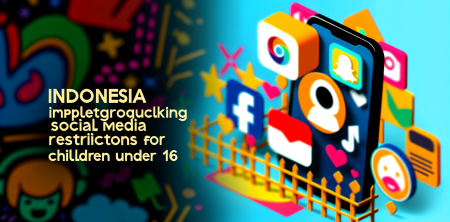
In a significant move aimed at protecting the youth from the dangers associated with online platforms, Indonesia has officially rolled out a new regulation that restricts social media access to children under the age of 16. This policy, which came into effect on March 28, 2026, targets a wide array of popular social media platforms, including YouTube, TikTok, Facebook, Instagram, Threads, X, Bigo Live, and Roblox.
Protecting Children in the Digital Age
With roughly 70 million children under the age of 16 in a nation of 280 million people, this regulation is poised to affect a substantial segment of Indonesia's youth. The Indonesian government has cited several reasons for this decisive action, primarily focusing on the need to shield children from exposure to pornography, cyberbullying, online scams, and potential addiction to social media.
Indonesia's initiative makes it the first country in Southeast Asia to implement such a comprehensive ban, following Australia's pioneering legislation introduced the previous year. This regulatory approach has garnered attention not only for its protective intent but also for its implications for parental control and digital citizenship.
Understanding the Rationale Behind the Ban
The Indonesian government has expressed deep concern over the impact of unregulated social media access on children. In a statement, officials emphasized the necessity of safeguarding the younger population from the various threats that come with unrestricted access to these platforms. Some of the key issues identified include:
- Exposure to Inappropriate Content: Children are vulnerable to accessing explicit material, which can have detrimental effects on their mental and emotional well-being.
- Cyberbullying: Social media platforms can often serve as breeding grounds for bullying, leading to severe psychological consequences for the victims.
- Online Scams: The prevalence of online scams poses a risk to young users who may not have the experience to recognize fraudulent activities.
- Addiction: The addictive nature of social media can lead to excessive screen time, hindering academic performance and social interaction in the real world.
Implementation Challenges Ahead
As the new policy takes effect, officials anticipate that there may be initial confusion among parents regarding enforcement and compliance. Many parents may not fully understand the implications of the regulation and how it will impact their children’s online activities. Furthermore, children themselves are likely to voice complaints and concerns about the restrictions, especially those who have become accustomed to engaging with peers through these platforms.
To facilitate a smoother transition, the Indonesian government plans to launch educational campaigns aimed at both parents and children. These initiatives will focus on informing families about the risks associated with social media and the importance of responsible digital citizenship.
Global Context and Comparisons
Indonesia's ban is part of a broader trend seen across the globe, where various governments are re-evaluating the role of social media in the lives of young people. In 2025, Australia made headlines with its world-first legislation aimed at restricting social media access for children, prompting other nations to consider similar measures. This growing awareness around child safety in the digital realm reflects a larger societal shift towards prioritizing mental health and well-being in the face of technological advancement.
Countries like France and the United Kingdom have also begun discussions around implementing stricter regulations on social media platforms, particularly concerning children's access. These legislative movements highlight a shared global concern about the impact of social media on youth, illustrating a collective recognition of the need for protective measures.
Anticipating the Future
As the new regulations in Indonesia unfold, the government will be closely monitoring its effectiveness and the response from the public. The success of this initiative hinges not only on compliance but also on fostering a culture of awareness and education around digital usage among young people.
Experts suggest that legislation should be accompanied by efforts to promote healthy online habits and critical thinking skills among children. Parents, educators, and policymakers must collaborate to create an environment where children can navigate the digital landscape safely and responsibly.
Conclusion
Indonesia's decision to restrict social media access for children under 16 marks a pivotal moment in the ongoing conversation about child safety in the digital age. As the nation embarks on this uncharted territory, it serves as a case study for other countries grappling with similar challenges. The hope is that such measures will lead to a more secure online environment for the younger generation, allowing them to thrive in an increasingly digital world.

