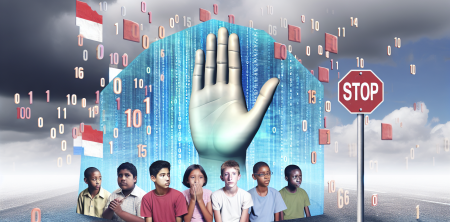
In a significant move aimed at protecting its youth from the perils of the digital world, Indonesia has implemented a regulation prohibiting access to major social media and digital platforms for children under the age of 16. This groundbreaking policy, which took effect on March 28, 2026, addresses growing concerns over issues such as addiction, cyberbullying, and exposure to inappropriate content. With a population of 280 million, this new ban affects approximately 70 million minors across the country.
Motivations Behind the Ban
The Indonesian government’s decision to enforce this ban comes in response to the increasing prevalence of mental health issues tied to social media usage among children and adolescents. Reports indicate that many young users experience anxiety, depression, and feelings of isolation, often exacerbated by the pressures of online interactions.
Officials have cited studies that link excessive screen time with various negative outcomes, including addiction and an uptick in cyberbullying incidents. By restricting access to platforms such as TikTok, Instagram, and Roblox, the government hopes to mitigate these risks and foster a healthier environment for its youth.
Comparison to Global Trends
Indonesia’s move aligns with a growing trend among nations seeking to regulate social media usage among minors. Countries like Australia have already implemented similar restrictions, prompting discussions about digital safety on a global scale. This trend reflects a broader recognition of the need to safeguard children in an increasingly interconnected world.
The Indonesian policy is noteworthy not just for its content but for its potential impact. With the nation's youth being among the most active online users, this ban could set a precedent for other countries grappling with similar issues.
Implementation Challenges
Despite the good intentions behind the ban, the implementation of this regulation is expected to face several challenges. One of the most pressing concerns is the confusion among parents regarding how to enforce these restrictions effectively.
- Parental Guidance: Many parents may not be fully aware of the digital landscape, making it difficult for them to monitor their children's online activities.
- Technology Solutions: The effectiveness of the ban will heavily rely on the technological measures in place to restrict access, which may vary by platform.
- Enforcement Mechanisms: Determining how to enforce the ban and ensure compliance from both platforms and users remains a significant hurdle.
Reactions from Stakeholders
The announcement of the ban has drawn mixed reactions from various stakeholders, including parents, educators, and digital rights advocates. Some parents have welcomed the initiative, believing it will protect their children from online dangers. One parent, speaking anonymously, expressed their relief, stating, "I worry every day about what my children encounter online. This ban gives me hope that they will be safer."
On the other hand, critics argue that such a blanket ban may not be the most effective solution. Digital rights advocates have raised concerns about the potential overreach of the government in regulating online spaces. They argue that education and awareness campaigns about responsible social media use may be more beneficial than outright bans.
Future Implications
As Indonesia embarks on this uncharted territory of digital regulation, the outcomes of this ban will be closely monitored both domestically and internationally. Should the initiative prove successful in reducing incidents of cyberbullying and addiction among minors, it may encourage other nations to adopt similar measures.
However, if the enforcement proves challenging or if unintended consequences arise, it could lead to a reevaluation of how governments approach the regulation of social media. The balance between protecting children and allowing them the freedoms of digital expression remains a contentious debate.
Conclusion
Indonesia's new regulation marks a pivotal moment in the ongoing discussion about youth engagement with social media. As the country takes a firm stance against potential online dangers, it sets the stage for a wider conversation about digital safety, parental responsibility, and the role of governments in the digital age. While the intentions behind this ban are commendable, the effectiveness of its implementation will ultimately determine its legacy.

