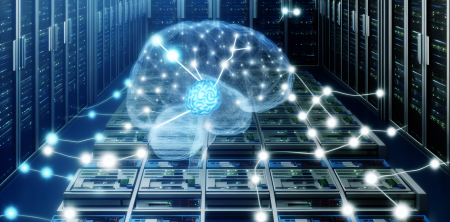
In a groundbreaking development that could change the landscape of computing, a pioneering startup has taken a bold step by utilizing human neurons to power data centers. This innovative approach not only aims to enhance the efficiency of computing but also seeks to address the growing demand for sustainable energy solutions in the technology sector. Featured in a recent Euronews report on April 4, 2026, the startup's progress could be a game changer in how we think about processing power and energy consumption.
The Technology Behind Neuron-Powered Computing
At the core of this innovative concept is the ability of human neurons to perform computational tasks, which has long been a subject of interest in both neuroscience and computer science. Traditional computing relies heavily on silicon-based processors, which, while effective, consume significant amounts of energy. The startup's approach leverages the unique properties of brain cells to carry out complex calculations more efficiently.
During early tests, the performance metrics of neuron-based computing have shown promising results. The neurons are capable of processing data in ways that mimic human cognitive functions, potentially leading to faster and more efficient processing compared to conventional systems. This could offer a dual benefit: improving computational speed while dramatically reducing power consumption.
Potential Benefits of Neuron-Based Data Centers
- Energy Efficiency: One of the most significant advantages of using human neurons is the potential for massive reductions in energy consumption. Traditional data centers are notorious for their high energy usage, contributing to environmental concerns. By employing biological cells, the startup aims to create systems that require less energy, thereby lowering overall operational costs.
- Increased Processing Power: Neurons can handle parallel processing tasks effectively, which could lead to enhanced performance in data centers. This capability may allow for more complex calculations in real-time, offering a substantial upgrade over current silicon chips.
- Biological Integration: The integration of biological components into computing opens up new avenues for research and development. It may lead to innovations that can further blur the lines between biological and artificial intelligence.
Challenges Ahead: Scalability and Ethical Concerns
Despite its promising potential, the startup's approach is not without challenges. The scalability of neuron-based systems remains a significant concern. While early tests are encouraging, the transition from experimental setups to full-scale data centers requires careful consideration of various factors, including the sourcing and maintenance of human neurons.
Moreover, ethical considerations surrounding the use of human biological material in computing technology cannot be overlooked. Questions about the implications of using neurons, including the potential for ethical dilemmas regarding sourcing and the treatment of biological components, are crucial discussions that need to take place as this technology moves forward.
The Future of Computing: A Paradigm Shift?
The prospect of using human neurons in data centers represents a significant paradigm shift in computing technology. As we face increasing pressure to improve energy efficiency and processing capabilities, the combination of biology and technology offers a tantalizing glimpse into the future. If successful, this approach could redefine how we build and operate data centers, setting new standards for sustainability and performance.
Industry experts are closely monitoring the developments at this startup, as the implications of neuron-powered computing extend beyond mere efficiency. The potential to create systems that can learn, adapt, and evolve over time could lead to advancements in artificial intelligence that are currently beyond our reach with traditional computing methods.
Conclusion: A Bold Step Towards Sustainable Computing
The use of human neurons to power data centers is an exciting frontier in technology, one that holds the promise of more sustainable and efficient computing solutions. While there are still hurdles to overcome, the initial results are encouraging. As researchers and developers continue to explore the capabilities of neuron-based systems, we may soon witness a transformation in the way we think about computing.
By embracing innovative technologies that integrate biological elements, we could pave the way for a new era of computing that not only meets the demands of modern society but also respects the ethical considerations intrinsic to such advancements. The future of computing may very well lie in the intricate networks of human neurons, redefining our relationship with technology.

