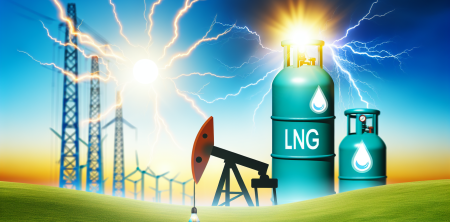
The global energy market is undergoing significant transformations as of April 2026, marked by an oil shock, increasing liquefied natural gas (LNG) shortages, and a remarkable shift toward renewable energy. These changes are reshaping not only energy prices but also the economic landscape across regions, particularly in Europe and Asia.
OPEC+ Signals Production Increases Amid Market Challenges
Despite recent signals from OPEC+ indicating intentions to lift oil production, the actual supply dynamics remain precarious. The resilience of export infrastructure and logistics plays a critical role in determining the feasibility of these production increases. The oil market is currently experiencing a divergence where intentions do not necessarily translate to availability. The challenges in logistics and infrastructure could limit the efficacy of OPEC+ decisions, creating further volatility in oil prices.
Understanding the Oil Shock
The oil shock has been characterized by fluctuating prices, with market analysts keeping a close watch on production levels and geopolitical factors influencing supply chains. As countries grapple with energy security concerns, the interplay of demand and supply creates an environment ripe for instability. Factors such as geopolitical tensions, monetary policies, and climate-related regulations are further complicating the landscape.
Liquefied Natural Gas: Global Shortages Intensify
In the LNG sector, the situation has worsened significantly, primarily due to damage inflicted on Qatar's export infrastructure. This has led to a ripple effect, causing shortages that are felt keenly in both Europe and Asia. The instability in the Middle East has disrupted transportation routes, exacerbating the existing challenges in gas supply.
Impact on Prices and Competitiveness
The ramifications of these shortages are profound:
- Gas Prices: The spikes in gas prices have directly influenced electricity costs, leading to higher energy bills for consumers and businesses alike.
- Industrial Competitiveness: Industries reliant on affordable energy sources are now facing increased operational costs, which could impact their competitiveness in the global market.
- Coal Demand: As gas prices rise, some regions are reverting to coal as a more economically viable energy source, despite its environmental implications.
- Company Margins: Energy companies are struggling to maintain margins amid rising costs and supply uncertainties, forcing them to reassess their business strategies.
Renewable Energy: A Surge Driven by Energy Security
Amid these challenges in traditional energy markets, the renewable energy sector is experiencing unprecedented growth. In particular, solar energy has emerged as the fastest-growing segment, driven not solely by climate agendas but increasingly by energy security concerns. Corporations are recognizing the long-term benefits of investing in renewables as a hedge against the volatility of fossil fuel markets.
Corporate Power Purchase Agreements on the Rise
One of the notable trends in the renewables sector is the rise of corporate power purchase agreements (PPAs). These agreements allow companies to secure energy directly from renewable sources, facilitating a more stable and predictable energy supply. This shift not only supports corporate sustainability goals but also strengthens energy independence.
Cost of Capital and Network Constraints
While the growth of renewables is promising, several challenges remain. The cost of capital for renewable projects is a significant factor, influencing investment decisions. Additionally, network constraints pose hurdles for the integration of renewable energy into existing grids. As more energy is generated from renewable sources, the need for modernized infrastructure becomes critical.
Hybrid Models: The Future of Energy
Another emerging trend in the energy market is the adoption of hybrid models that combine renewable energy with natural gas and energy storage solutions. This approach aims to create a more resilient energy system capable of meeting demand fluctuations while minimizing reliance on any single energy source. By leveraging gas as a transitional fuel and integrating advanced storage technologies, hybrid systems can enhance energy security and stability.
Conclusion
The global energy market in 2026 is a complex tapestry of challenges and opportunities. The ongoing oil shock, the exacerbation of LNG shortages, and the rapid expansion of renewable energy sources reflect a significant pivot in how energy is produced and consumed worldwide. As stakeholders navigate this evolving landscape, the focus must remain on resilience, sustainability, and innovation to ensure a stable energy future.

