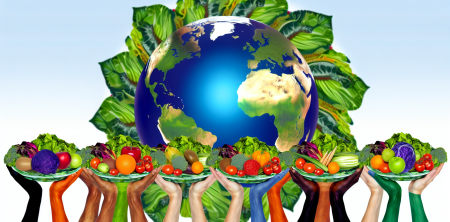
As we observe World Health Day, it is crucial to address the intersection of food, health, and the environment. The way we produce and consume food today has profound implications not only for our health but also for the planet. Current dietary patterns are contributing to significant ecological damage, and the urgency to shift towards sustainable food systems has never been more pressing.
The Environmental Impact of Modern Diets
Today’s food systems are characterized by industrial agriculture practices that prioritize high yields over ecological balance. This approach has resulted in a range of environmental issues, including deforestation, loss of biodiversity, and increased greenhouse gas emissions. According to the United Nations Food and Agriculture Organization, agriculture accounts for approximately 25% of global greenhouse gas emissions, primarily from livestock production and land-use changes.
Furthermore, modern diets, which often lean heavily on processed foods and animal products, contribute to a myriad of health problems, including obesity, heart disease, and diabetes. The disconnection between food production and health practices has created a cycle where the food we consume is not only detrimental to our health but also to the health of the planet.
The Case for Regenerative Agriculture
To combat these issues, there is an urgent need to embrace regenerative agriculture. This holistic approach to farming focuses on restoring soil health, enhancing biodiversity, and sequestering carbon. Regenerative practices include crop rotation, agroforestry, and the integration of livestock, all of which contribute to a more sustainable food system.
Research indicates that regenerative agriculture can significantly improve soil health, leading to increased resilience against climate change and better yields in the long run. By prioritizing ecological health, we can create a food system that nourishes both people and the planet.
Culturally Appropriate Nutrition
In addition to environmental sustainability, it is crucial to consider the cultural dimensions of food. Nutrition is not merely a matter of calories and nutrients; it is deeply intertwined with cultural identity and practices. As we rethink our food systems, we must prioritize culturally appropriate nutrition that respects local traditions and dietary needs.
- Local Foods: Promoting the consumption of locally sourced foods not only supports local economies but also reduces the carbon footprint associated with transportation.
- Diverse Diets: Encouraging the consumption of diverse, plant-based diets can help improve health outcomes and reduce the environmental impact of food production.
- Education and Awareness: Raising awareness about the importance of sustainable eating practices can empower communities to make informed choices regarding their diets.
Connecting Food Production with Health and Care
A fundamental shift in how we perceive food is necessary for improving global health outcomes. Food should be viewed as a tool for health and well-being, rather than merely a commodity. By reconnecting food production with health and care practices, we can foster a more sustainable and equitable food system.
Governments and organizations must take proactive steps to promote sustainable food systems. This includes implementing policies that support regenerative agriculture, investing in local food systems, and ensuring access to nutritious food for all communities. Collaboration among farmers, consumers, and policymakers is vital in creating a cohesive approach to food production and consumption.
The Role of Individuals
While systemic changes are essential, individual actions also play a significant role in transforming food systems. Here are some practical steps individuals can take to contribute to a healthier planet:
- Mindful Eating: Be conscious of what you eat and opt for whole, minimally processed foods.
- Support Local Farmers: Purchase food from local farmers’ markets or community-supported agriculture programs.
- Reduce Food Waste: Plan meals and store food properly to minimize waste.
- Advocate for Change: Engage in discussions about sustainable food practices and advocate for policies that promote ecological health.
Conclusion
As we commemorate World Health Day, let us recognize the vital connection between our food systems, health, and the environment. The call for sustainable food practices is not just an ethical imperative; it is essential for ensuring the health of our planet and future generations. By embracing regenerative agriculture and culturally appropriate nutrition, we can create a world where both people and the planet thrive. The time for change is now—let's make our plates a reflection of our commitment to health and sustainability.

