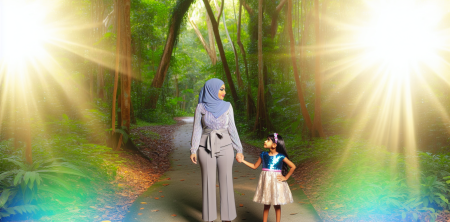
In today’s fast-paced world, parenting has transformed into a complex and often overwhelming experience, especially for millennials. As Seerat Kaur reflects in her personal essay published on April 8, 2026, the emotional toll of raising children can lead to significant burnout. Kaur, a mother of two daughters aged 12 and 8, shares her journey of navigating the intricate dynamics of sisterhood while simultaneously addressing her own inner child.
The Complexity of Modern Parenting
For many parents, the struggle to balance work, personal life, and family responsibilities can feel insurmountable. Kaur describes how the demands of modern parenting often leave little room for self-care or emotional healing. The constant juggling act can lead to feelings of inadequacy and exhaustion, which are compounded by the societal pressures to raise well-adjusted children.
Understanding Burnout
Burnout among parents is a growing concern. According to a recent survey, more than 60% of parents report feeling overwhelmed by the responsibilities of raising children. This phenomenon can lead to emotional detachment, anxiety, and even depression. Kaur emphasizes the importance of recognizing these feelings and understanding that it’s okay to seek help and prioritize one’s own mental health.
Healing the Inner Child
In her reflection, Kaur highlights the concept of the inner child—the part of us that retains the experiences and emotions of our childhood. For parents, healing their inner child is essential to foster a nurturing environment for their children. Kaur discusses how her experiences as a young girl influence her parenting style and emotional responses today.
Addressing Past Wounds
Many parents inadvertently pass on unresolved issues from their childhood to their children. Kaur shares her own journey of confronting past wounds, which has been crucial in creating a healthier dynamic with her daughters. By acknowledging her own struggles, she is better equipped to support her children in their emotional development.
The Dynamics of Sisterhood
Kaur’s daughters, navigating the complexities of sisterhood, often mirror the challenges she faced growing up. The bond between siblings can be both enriching and tumultuous, filled with moments of joy and conflict. Kaur reflects on her efforts to foster a positive relationship between her daughters, encouraging open communication and empathy.
Creating a Supportive Environment
To cultivate a strong sisterly bond, Kaur implements several strategies:
- Open Communication: Encouraging her daughters to share their feelings and thoughts openly.
- Quality Time: Dedicating time for both individual and joint activities that strengthen their relationship.
- Conflict Resolution: Teaching them conflict resolution skills to manage disagreements healthily.
Finding Balance
As Kaur navigates the challenges of parenting, she emphasizes the importance of finding balance. This includes setting boundaries and recognizing when to step back and recharge. By prioritizing self-care, parents can be more present and effective in their roles.
Strategies for Self-Care
Kaur suggests several self-care strategies for parents:
- Mindfulness Practices: Incorporating mindfulness or meditation into daily routines to manage stress.
- Engaging in Hobbies: Making time for personal interests and hobbies that bring joy.
- Seeking Support: Connecting with other parents or professionals for guidance and encouragement.
Persevering Through Challenges
Despite the hurdles, Kaur remains optimistic about her journey as a mother. She recognizes that parenting is not a linear path, but rather a series of ups and downs. Embracing imperfections and allowing for vulnerability can create a more authentic family environment.
Embracing the Journey
Ultimately, Kaur’s reflection serves as a reminder for parents everywhere: healing one’s inner child is a vital step in raising the next generation. By addressing their own emotional needs, parents can foster a healthier, more nurturing environment for their children. In doing so, they not only heal themselves but also equip their children with the tools they need to thrive in their own lives.
In conclusion, navigating the complexities of parenting in the modern world requires resilience, self-awareness, and a commitment to personal healing. As Kaur aptly illustrates, the journey may be challenging, but the rewards of nurturing strong, emotionally intelligent children are well worth the effort.

