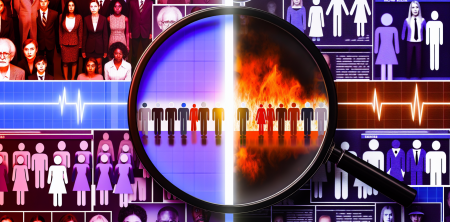
The Unseen Forces Behind Online Polarization
In an age dominated by social media and digital content consumption, the way information is presented to us can dramatically shape our opinions and beliefs. A new study from UC Berkeley, led by PhD student Mingduo Zhao, dives deep into this phenomenon, revealing a troubling truth: the algorithms driving our online news feeds may be fueling societal polarization by reinforcing existing beliefs.
How Algorithms Shape Our Views
The study illuminates the mechanisms at play within news algorithms, which are designed to maximize user engagement. These algorithms track user behavior, learning about preferences and interactions to suggest content that aligns with users’ historical beliefs. As a result, even minor differences in opinion can be amplified over time, pulling users into echo chambers that further entrench their views.
The Feedback Loop of Engagement
This self-reinforcing feedback loop means that users are consistently exposed to content that mirrors their perspectives. Zhao’s research highlights how this can lead to a dramatic polarization of opinions, particularly when the initial differences in viewpoint are relatively small. Over time, the continual reinforcement of these perspectives can create a stark divide, not just between individuals but across entire communities.
Data-Driven Insights
The study utilized a combination of surveys and algorithmic modeling to analyze user behavior across various platforms. The findings revealed that users who began with slightly different opinions became increasingly polarized after prolonged exposure to algorithm-driven content recommendations. This phenomenon raises important questions about how social media platforms curate our news and the unintended consequences of these practices.
Polarization: A Growing Concern
As political tensions rise globally, concerns about polarization have become a focal point for researchers, policymakers, and the public alike. The implications of Zhao’s findings extend beyond individual users; they highlight a systemic issue in how information is disseminated and consumed in modern society.
The Role of Social Media
With billions of users and an ever-increasing amount of content, social media platforms are at the heart of this discussion. These platforms have transformed the way news is consumed, often prioritizing engagement over accuracy or balanced perspectives. While algorithms can enhance user experience by personalizing content, they also contribute to a distorted view of reality, where users are shielded from dissenting opinions.
Echo Chambers and Their Consequences
Echo chambers are environments where individuals are exposed primarily to information that reinforces their existing beliefs. Zhao’s research provides evidence that these chambers are not just theoretical; they stem from the very design of news algorithms. By continuously serving up similar content, users find themselves in a cycle that deepens their convictions, making it increasingly difficult to engage constructively with differing viewpoints.
Real-World Impact of Polarized News Feeds
The divide created by these algorithms has far-reaching consequences, affecting everything from social interactions to political discourse. As users become more entrenched in their beliefs, the potential for constructive dialogue diminishes, leading to an environment where misunderstanding and conflict thrive.
Examples of Polarization in Action
- Political Divisions: Recent elections have showcased the growing divide in political opinions, where voters are increasingly unwilling to consider alternate viewpoints.
- Social Relationships: Friends and family members often find themselves at odds over political issues, further fracturing social networks.
- Public Discourse: Civil discourse has taken a backseat to emotional debates, marked by a lack of understanding and empathy.
What Can Be Done?
Understanding the mechanics of polarization is the first step in addressing the issue. Zhao’s study calls for a re-evaluation of how algorithms are designed and the ethical responsibilities of tech companies in shaping public discourse.
Potential Solutions
- Algorithm Transparency: Platforms should provide clearer insights into how their algorithms function and what influences content recommendations.
- Diverse Content Exposure: Encouraging algorithms to prioritize a broader range of content could help mitigate the effects of echo chambers.
- Promoting Media Literacy: Users should be educated on the importance of consuming diverse information sources to foster a more informed citizenry.
A Call to Action
The findings of Zhao’s research are not just academic; they are a wake-up call for users, tech companies, and society at large. As we navigate an increasingly polarized landscape, it is crucial to recognize the role that online news algorithms play in shaping our views. By advocating for greater transparency and encouraging diverse content consumption, we can begin to bridge the divides that threaten our social fabric.
The Future of Information Consumption
As the digital landscape continues to evolve, so too will the ways we consume information. It is imperative that we remain vigilant about the potential consequences of algorithm-driven content. In doing so, we can strive towards a more informed, understanding, and united society.
Conclusion: A Shared Responsibility
Ultimately, the responsibility to combat polarization lies not just with the platforms that host our news, but with all of us as consumers of information. Understanding how algorithms work and recognizing their impact on our opinions is crucial in an era where digital engagement shapes our perception of reality. As we move forward, let us prioritize open dialogue and a commitment to diverse viewpoints, ensuring a healthier public discourse for future generations.

