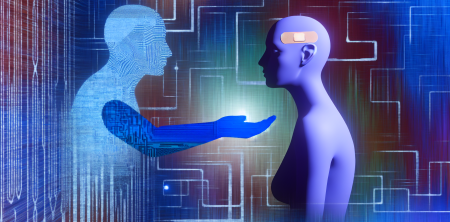
The Rise of AI in Mental Health Support
With technological advancements reshaping various aspects of our lives, mental health support is no exception. In recent years, AI-driven applications and chatbots have surged in popularity as accessible alternatives to traditional therapy. While the idea of receiving guidance from a friendly algorithm may sound appealing, experts are raising alarms about the potential risks associated with relying on these digital tools.
Expert Insights: AI’s Limitations
According to Dr. John Smith, a psychiatrist at Baylor College of Medicine, the growing reliance on AI chatbots for mental health support can be detrimental. These systems, while designed to offer assistance, lack the emotional capability and nuanced understanding that human therapists provide. Dr. Smith points out that relying on AI for mental health solutions not only risks providing unsafe advice but also increases feelings of social isolation, which can exacerbate issues like anxiety and depression.
The Emotional Disconnect
One of the critical shortcomings of AI chatbots is their inability to truly connect with users on an emotional level. Unlike trained therapists, AI systems cannot perceive or respond to emotional cues, which can lead to misinterpretation of a user's needs. This emotional disconnect raises significant concerns about the effectiveness of AI in addressing complex mental health issues.
Social Isolation: A Growing Concern
As society becomes increasingly reliant on technology for communication and support, the patterns echo those seen during the pandemic, where social isolation became rampant. The rise of AI-driven mental health solutions may inadvertently contribute to this isolation. Dr. Smith warns that while individuals may turn to chatbots for their non-judgmental nature, they ultimately miss out on the genuine human interaction that is so vital for mental well-being.
Understanding the Human Element
Fundamentally, mental health is not just about managing symptoms; it involves understanding and processing emotions, building relationships, and navigating the complexities of human experience. Therapists play a crucial role in helping individuals explore their thoughts and feelings, providing a safe space for vulnerability and growth. AI systems, despite their accessibility, cannot replicate these essential aspects of human interaction.
The Dangers of Misinformation
Another alarming aspect of AI chatbots is the potential for misinformation. While these systems can provide general advice, their responses may not always be accurate or safe. In critical situations, such as crises involving self-harm or suicidal ideation, the lack of human oversight can lead to dangerous outcomes. Dr. Smith emphasizes the importance of seeking professional help rather than relying solely on digital solutions.
The Need for Critical Thinking
As users engage with AI-driven mental health tools, it is essential to approach the information critically. Dr. Smith suggests that users be aware of the limitations of these tools and not hesitate to seek help from qualified professionals. This awareness is crucial in preventing the further erosion of mental health support systems.
Addressing the Appeal of AI Chatbots
Despite the warnings from experts, the appeal of AI chatbots continues to grow. One of the primary reasons individuals gravitate towards these solutions is their accessibility. In a world where traditional therapy can be costly and hard to access, AI offers a convenient alternative. However, Dr. Smith argues that this convenience should not come at the cost of effective mental health support.
Accessibility vs. Authenticity
AI chatbots are available 24/7 and can be used anonymously, which reduces the stigma often associated with seeking mental health support. This aspect can be particularly appealing for individuals who may feel uncomfortable discussing their struggles with a therapist. However, this reliance on AI can create a false sense of security, ultimately preventing individuals from seeking the comprehensive care they need.
The Importance of Authentic Human Connection
Authentic human connection is a cornerstone of effective mental health treatment. Therapists offer empathy, understanding, and real-time responses, fostering a therapeutic alliance that is essential for healing. In contrast, AI systems operate based on algorithms and pre-programmed responses, inherently lacking the warmth and compassion that comes from human interaction.
Building Relationships for Recovery
Research has consistently shown that the therapeutic relationship between a patient and a therapist significantly impacts treatment outcomes. Positive relationships can enhance trust, facilitate open communication, and promote emotional healing. By depending solely on AI for mental health, individuals may miss out on the relational benefits that therapy brings.
What Can Be Done? Finding the Balance
As AI continues to evolve, the challenge lies in finding a balance between leveraging technology and maintaining the human element essential for mental health support. While AI can serve as a supplementary tool, it should not replace the invaluable contributions of trained professionals.
Integrating AI Responsibly
Experts suggest that rather than eliminating human therapists, AI-driven solutions should be integrated responsibly into the mental health landscape. This could involve using AI to streamline appointment scheduling, provide initial assessments, or offer supplementary resources alongside traditional therapy. This way, individuals can benefit from the accessibility of technology without sacrificing the quality of care.
Awareness and Education: The Path Forward
In light of these concerns, raising awareness about the limitations of AI in mental health is crucial. Educational campaigns can help individuals understand the importance of seeking professional help and recognizing when AI is not enough. By promoting mental health literacy, we can empower people to make informed decisions about their care.
Encouraging Open Dialogue
Encouraging open dialogue about mental health and technology is vital. Individuals must feel comfortable discussing their experiences with AI tools and expressing concerns about their effectiveness. This dialogue can lead to a better understanding of how to navigate the evolving mental health landscape while prioritizing genuine human connection.
The Future of Mental Health Support
As we look ahead, the future of mental health support will undoubtedly include a blend of technology and human interaction. While AI can help address certain aspects of mental health care, it is essential to remain vigilant about the potential risks. By prioritizing authentic connections and seeking professional guidance, we can ensure that mental health support evolves in a way that truly benefits individuals.
Conclusion: Prioritize Human Connection
In conclusion, while AI chatbots may offer convenience, they cannot replace the depth and understanding that comes from human therapists. As we navigate the complexities of mental health in a digital age, it is crucial to prioritize genuine human connection and seek professional help when needed. By doing so, we can foster a healthier society and better support those facing mental health challenges.

