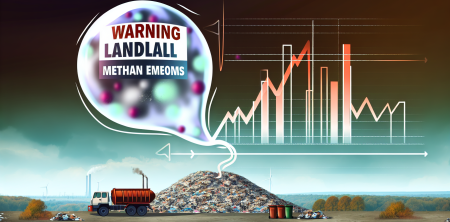
The environmental crisis is no longer a distant threat but a pressing reality we must confront today. Recent research has unveiled a shocking increase in landfill methane emissions, soaring by an alarming 40% over the past two years. This surge correlates closely with faster-than-predicted global temperature rises and significant atmospheric pressure changes. As it stands, landfills now account for around 17% of all anthropogenic methane emissions, contributing notably to the quarter of global warming that can be attributed to rising methane levels. Scientists are raising red flags, warning that seasonal temperature fluctuations are triggering exponential cycles of methane releases that were previously overlooked in climate models. This revelation is stirring up urgent calls for immediate reforms in landfill management and waste disposal practices globally.
The Mechanism of Landfill Methane Emissions
Understanding how landfill methane emissions contribute to climate change requires a closer look at the biological and physical processes involved in waste decomposition. As organic waste breaks down anaerobically—meaning without the presence of oxygen—methane, a potent greenhouse gas, is released. This process is exacerbated by rising temperatures, which accelerate the decomposition rate, leading to increased methane production.
A Closer Look at Methane
Methane is not just any greenhouse gas; it is approximately 25 times more effective at trapping heat in the atmosphere than carbon dioxide over a 100-year period. Its potential for warming the planet is significant, which is why the recent spike in landfill methane emissions is particularly concerning. As climate change progresses, the conditions for methane production are becoming more favorable.
- Temperature Fluctuations: Seasonal changes affect microbial activity in landfills, prompting accelerated gas production.
- Pressure Changes: Variations in atmospheric pressure influence the rate of gas escape from waste.
- Organic Waste Composition: The type of waste—especially food waste—also impacts methane generation rates.
The Alarming Statistics
The most recent study highlights the stark reality that landfill methane emissions have risen by 40% since the last assessment, presenting a clear and present danger to our environment. This increase is not an isolated event; it is indicative of broader climate trends that challenge existing waste management frameworks.
To put things into perspective:
- Landfills now contribute approximately 17% of total anthropogenic methane emissions.
- Methane is responsible for about 25% of the global warming we are currently experiencing.
- With the ongoing rise in global temperatures, methane production is expected to escalate further.
Climate Models Underestimated Methane Cycles
One of the most alarming findings from the research is that current climate models may have underestimated the feedback loops associated with landfill methane emissions. As temperatures rise, conditions become increasingly conducive to the anaerobic decomposition of organic matter, leading to an exponential increase in methane release. This creates a vicious cycle: more methane leads to more warming, which in turn produces more methane.
The Urgent Call for Reform
Given the implications of these findings, environmental organizations and scientists are calling for immediate reforms in landfill management and waste practices. The urgency of these reforms cannot be overstated, as they directly correlate with our ability to mitigate climate change effects.
Key Areas of Reform
- Improved Waste Segregation: Enhanced sorting of organic waste can minimize the amount of material sent to landfills.
- Increased Composting: Widespread composting initiatives can significantly reduce landfill contributions by turning organic waste into valuable resources.
- Innovative Landfill Technologies: Investing in technologies that capture methane for energy use can mitigate its release into the atmosphere.
- Public Awareness Campaigns: Educating the public on the effects of waste disposal on climate change can foster responsible behavior.
The Role of Individuals in Combating Landfill Methane Emissions
It’s not just up to policymakers and organizations; individuals also play a critical role in addressing the crisis of landfill methane emissions. Everyday actions can collectively contribute to a significant reduction in waste sent to landfills.
Ways to Reduce Your Waste Footprint
- Practice Minimalism: Reduce consumption to minimize waste generation.
- Recycle and Reuse: Ensure that recyclable materials are properly sorted and reused whenever possible.
- Support Local Initiatives: Engage with local composting programs and recycling initiatives.
- Educate Others: Share knowledge about waste reduction and its impact on climate change.
The Global Perspective
This issue is not localized; it is a global challenge that requires cooperation across borders. Developing nations, which often lack robust waste management infrastructure, are particularly vulnerable to the impacts of landfill methane emissions. Collaborative international efforts are essential to address these disparities and implement effective solutions.
Global Initiatives and Agreements
- The Paris Agreement: Countries committed to reducing greenhouse gas emissions must consider methane in their strategies.
- International Waste Management Conferences: Forums fostering discussion on best practices for waste management.
- Funding for Emerging Technologies: International financial support for developing countries to adopt advanced waste management solutions.
The Future of Landfill Management
As research continues to unveil the extent of landfill methane emissions and their impacts on climate, it is clear that the future of waste management must evolve. There is a pressing need to shift from traditional landfill practices to more sustainable methods that prioritize environmental health.
Innovative Solutions on the Horizon
Several countries and organizations are exploring innovative solutions to manage waste more effectively:
- Anaerobic Digestion: This technology not only reduces methane emissions but also generates biogas, a renewable energy source.
- Waste-to-Energy Plants: Converting waste into energy can reduce the volume of waste sent to landfills while generating valuable power.
- Sustainable Materials Management: Transitioning to circular economy principles where waste is seen as a resource to be reused rather than disposed of.
Conclusion
The evidence is undeniable: landfill methane emissions are skyrocketing, contributing significantly to global warming. This crisis calls for immediate attention from all sectors of society—governments, organizations, and individuals alike. The need for reform in waste management practices has never been more urgent, and with collective effort, we can mitigate the effects of these emissions and work towards a more sustainable future. Let us act now, for the sake of our planet and future generations.

