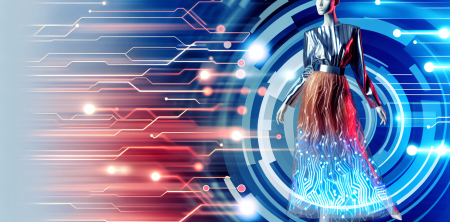
The fashion industry has always been a reflection of cultural trends and innovations, but with the recent launch of the Zara AI dress, it seems we have entered a new era of design that marries technology and creativity in unprecedented ways. On May 11, 2026, Zara unveiled its groundbreaking AI-generated 'DreamWeave Dress,' a garment that not only sold out in mere minutes but also ignited a passionate debate about the role of AI in fashion. As we delve into this phenomenon, we'll explore how the Zara AI dress has captured the imagination of consumers, the implications for designers, and what this means for the future of fashion.
The Launch That Stunned the Industry
The launch of the Zara AI dress was nothing short of extraordinary. Within just 30 minutes, the dress sold an astonishing 100,000 units, generating over $10 million in sales. The overwhelming demand caused Zara's app servers to crash under the weight of eager shoppers trying to secure their own piece of this innovative garment. Priced at a modest $49, the dress featured hyper-customizable patterns that consumers could personalize through augmented reality (AR) try-on technology.
Understanding the Technology Behind the Dress
At the heart of the Zara AI dress is generative technology, which was trained on this year’s runway trends to create unique designs that resonate with contemporary fashion. This cutting-edge approach allows users to experience a level of customization that was previously unthinkable. By using AR, customers can visualize how different patterns look on their own bodies, transforming the traditional shopping experience into an interactive event.
The Social Media Frenzy
As the Zara AI dress soared in popularity, it sparked a flurry of online activity. Discussions around the dress surged by over 1200% on Google Trends, highlighting a remarkable global interest in this new fashion innovation. Social media platforms, particularly X (formerly Twitter), saw more than 2 million posts debating the merits of AI design versus traditional human creativity. Influencers on various platforms began unboxing their hauls, showcasing the dress's unique features and contributing to the viral nature of the product.
What Influencers Are Saying
- Fashion Creators: Many influencers praised the Zara AI dress for its affordability and unique designs, expressing excitement about the level of personalization available.
- Critics: On the other hand, some influencers and fashion veterans, like designer Stella McCartney, criticized the dress as a 'soulless creativity killer,' arguing that it undermines the artistry of traditional fashion design.
- Consumer Response: The general consumer sentiment appears to lean towards excitement, with many sharing their own customization experiences and trying to get their hands on restocks.
The Backlash: AI vs. Human Creativity
The release of the Zara AI dress has not been without its detractors. Critics argue that while AI can generate impressive designs, it lacks the emotional depth and cultural context that only human designers can provide. The debate raises significant questions about the future of creativity and originality in the fashion industry.
The Designer's Perspective
Stella McCartney, a well-known advocate for sustainable fashion, expressed her concerns regarding the implications of AI in creative processes. She has described the Zara AI dress as a reflection of a trend that prioritizes speed and profitability over artistry and craftsmanship. This sentiment resonates with many traditionalists who fear that the allure of quick profits could overshadow the rich, emotional narratives that fashion often embodies.
Gen Z's Role in the Fashion Revolution
Interestingly, the success of the Zara AI dress seems to align perfectly with Gen Z's preferences and values. This generation is known for its embrace of technology, appetite for customization, and desire for unique self-expression through fashion. The ability to personalize garments, combined with the affordability of the Zara AI dress, has created a perfect storm that appeals to younger shoppers.
FOMO and the Hype Cycle
The limited availability of the Zara AI dress has also fueled a sense of urgency among buyers, leading to a phenomenon known as FOMO (fear of missing out). As consumers see their peers flaunting these fashionable, customizable items, they are driven to seek out restocks and new releases, further amplifying the viral nature of the product.
Looking Ahead: What Does This Mean for the Future of Fashion?
The success of the Zara AI dress raises important questions about the direction of fashion. As generative technology becomes more prevalent, we may see a shift in how garments are designed, marketed, and consumed. While some traditionalists may resist these changes, it is evident that the integration of technology can lead to innovative solutions that resonate with contemporary consumers.
Potential Benefits of AI in Fashion
- Increased Efficiency: AI can streamline design processes, allowing brands to produce more collections in less time.
- Customization: As seen with the Zara AI dress, AI can enable unprecedented levels of personalization, enhancing consumer satisfaction.
- Data-Driven Design: By analyzing trends and consumer preferences, AI can help brands create designs that are more likely to succeed in the market.
The Importance of Balance
As the fashion world grapples with the implications of AI, finding a balance between technological innovation and human creativity will be crucial. The challenge lies in harnessing the benefits of AI while ensuring that the artistry of fashion is preserved. Moving forward, collaborations between AI and human designers may pave the way for a future where technology enhances, rather than replaces, creative expression.
Conclusion: A New Era of Fashion
The Zara AI dress stands as a transformative symbol in the landscape of fashion, representing both the potential of technological innovation and the challenges it poses to traditional design. As the industry continues to evolve, the fusion of AI and creative artistry will play a critical role in shaping fashion's future. While debates about AI's role in creativity will undoubtedly continue, one thing is clear: the Zara AI dress has ignited a conversation that will influence the direction of fashion for years to come.

