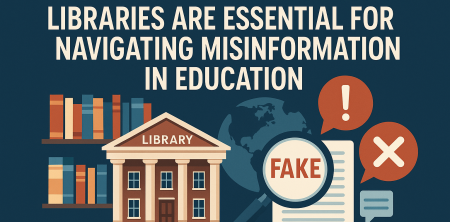
The digital age has revolutionized how we access information, but it has also paved the way for a flood of misinformation. As students and educators navigate this complex landscape, college and research libraries have emerged as vital resources. The Association of College and Research Libraries (ACRL) plays a central role in guiding academic libraries to address pressing issues such as research skills, media literacy, and the challenges posed by artificial intelligence (AI).
The Role of ACRL in Academic Libraries
Founded in 1940, the ACRL is a professional organization that focuses on the needs of academic librarians and their institutions. It serves as a platform for librarians to share best practices, enhance their skills, and advocate for the importance of libraries in higher education. In the current climate, ACRL’s guidance is crucial as it helps libraries adapt to the changing dynamics of information consumption.
Navigating Information Credibility
In an age where misinformation can spread rapidly through social media and other online platforms, the ability to evaluate the credibility of sources has never been more critical. Students are often overwhelmed by the sheer volume of information available to them, leading to difficulties in distinguishing reliable sources from dubious ones. College and research libraries are stepping up to address this challenge by providing resources and training focused on media literacy and source evaluation.
According to ACRL, many academic libraries are incorporating information literacy programs into their curricula. These programs teach students how to critically assess the information they encounter, encouraging a thoughtful approach to research and study. With the assistance of librarians, students learn to ask the right questions, seek out credible sources, and understand the nuances of different types of information.
The Importance of Media Literacy
The rise of misinformation has made media literacy a hot topic in education. Now more than ever, educators recognize the need to equip students with the skills to discern fact from fiction. College and research libraries are key players in this endeavor, providing workshops and resources that empower students to become informed consumers of information.
- Workshops and Training: Many academic libraries offer workshops designed to enhance research skills and promote information literacy. These sessions cover topics such as evaluating sources, understanding bias, and recognizing misinformation.
- Resource Guides: Libraries often create subject-specific resource guides that help students find credible sources relevant to their fields of study.
- One-on-One Assistance: Librarians provide personalized support, helping students navigate databases and locate quality materials for their research projects.
Adapting to AI and Technology
As AI technology continues to evolve, so do the challenges faced by college and research libraries. The proliferation of AI tools presents both opportunities and concerns, particularly regarding the reliability of information generated by these technologies. ACRL emphasizes the need for libraries to stay informed about AI developments and to incorporate these technologies into their services responsibly.
For instance, libraries are increasingly using AI-driven tools to streamline research processes and improve user experiences. However, they also recognize the importance of teaching students how to critically evaluate the output of such tools. This dual approach helps students leverage technology while maintaining a skeptical eye, essential for effective research.
The Viral Potential of Library Resources
The relevance of college and research libraries becomes particularly pronounced during exam periods, AI tool controversies, and cycles of viral misinformation. These times see a spike in search interest for practical help with research skills and information credibility.
Educators, parents, and students are increasingly turning to libraries for immediate guidance on how to navigate these pressing challenges. This engagement often leads to the sharing of library resources and programs on social media, making the topic highly relevant and shareable within educational communities.
Collaborative Efforts in Education
Academic libraries are not working in isolation; they are collaborating with faculty, educational technologists, and curriculum developers to ensure that information literacy is integrated throughout the academic experience. Such collaborative efforts enhance the effectiveness of library services and underscore their importance in fostering critical thinking skills among students.
- Partnerships with Faculty: Librarians often work closely with faculty to design course assignments that encourage information literacy.
- Interdisciplinary Approaches: Libraries are promoting interdisciplinary learning by providing resources that cater to multiple academic disciplines.
- Community Outreach: Many libraries offer programs that engage the broader community, educating individuals of all ages about media literacy and information evaluation.
Conclusion
As we navigate an increasingly complex information landscape, the role of college and research libraries has never been more significant. Through initiatives led by organizations like the ACRL, academic libraries are adapting to meet the needs of students and educators alike. By focusing on information literacy, media evaluation, and the integration of technology, these libraries are preparing the next generation to tackle the challenges of misinformation and make informed decisions in their academic and personal lives.

