```html
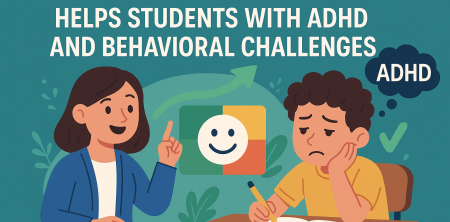
In classrooms across the globe, teachers face a range of challenges when working with students who have Attention Deficit Hyperactivity Disorder (ADHD) and other behavioral issues. Traditional disciplinary methods often fall short, leading to frustration among educators and students alike. Enter Positive Behavior Support (PBS), a proactive approach aimed at improving student behavior and fostering a more inclusive learning environment. This comprehensive article delves into how Positive Behavior Support helps students with ADHD and behavioral challenges, exploring its background, key principles, practical insights, and relevance in contemporary education.
The Foundation of Positive Behavior Support
Positive Behavior Support originated in the 1990s as a framework designed to enhance the overall quality of life for individuals with challenging behaviors. It emphasizes the importance of understanding the reasons behind a student’s behavior rather than simply reacting to it. The approach is rooted in the principles of applied behavior analysis and aims to reinforce positive behaviors while reducing negative ones.
At its core, PBS seeks to create safe and supportive environments where students are encouraged to succeed. This is especially crucial for those with ADHD, who often struggle with impulse control, attention issues, and social interactions. Instead of punitive measures, PBS promotes a more constructive response to behavioral challenges, focusing on teaching skills and strategies that can help students thrive.
Understanding ADHD and Its Impact in School
ADHD is characterized by persistent patterns of inattention, hyperactivity, and impulsivity that interfere with functioning or development. According to the Centers for Disease Control and Prevention (CDC), approximately 6.1 million children in the United States have been diagnosed with ADHD, which translates to about 9.4% of children aged 2-17. This condition can lead to difficulties in academic performance, social interactions, and overall emotional well-being.
Students with ADHD often find it challenging to stay focused during lessons, complete assignments, and maintain positive relationships with peers. These issues can result in increased behavioral problems, as frustration mounts when they struggle to meet expectations. Traditional disciplinary approaches tend to exacerbate these problems, leading to a cycle of negative reinforcement that can hinder a student’s educational journey.
Key Principles of Positive Behavior Support
Implementing Positive Behavior Support involves several key principles that help shape its effectiveness:
- Proactive Approach: PBS aims to prevent problematic behaviors before they occur by creating supportive environments and teaching appropriate skills.
- Individualized Strategies: Tailoring interventions to meet the unique needs of each student is essential, especially for those with ADHD.
- Data-Driven Decision Making: Regularly collecting and analyzing data on student behavior helps educators modify strategies based on effectiveness.
- Collaboration: Engaging teachers, parents, specialists, and the community fosters a united front in supporting students.
These principles work synergistically to create an educational experience that is not only focused on academic success but also on promoting social-emotional development.
Implementing PBS in the Classroom
Integrating Positive Behavior Support into the classroom requires clear steps that educators can take to ensure its effectiveness. Here’s a closer look at the implementation process:
1. Establishing Clear Expectations
One of the first steps in PBS is developing clear behavior expectations. These should be specific, observable, and taught explicitly to students. For example, instead of saying, "Be respectful," educators might say, "Use kind words when speaking to others." By setting clear expectations, students have a tangible reference to guide their behavior.
2. Teaching Replacement Behaviors
Students with ADHD may struggle with behaviors that disrupt learning. PBS encourages educators to teach replacement behaviors—social or academic skills that serve as alternatives to disruptive actions. For instance, if a student has difficulty staying seated, teaching them to ask for a break when feeling restless can be beneficial.
3. Reinforcement Strategies
Positive reinforcement is a cornerstone of PBS. When students demonstrate desired behaviors, they should be acknowledged and rewarded. This reinforcement can take various forms, such as verbal praise, stickers, or extra privileges. The goal is to increase the likelihood of the positive behavior being repeated.
4. Monitoring and Adjusting Interventions
Regular monitoring of students’ progress allows educators to assess the effectiveness of their strategies. If a particular intervention isn't yielding the desired results, it may need to be modified or replaced with a different approach. Utilizing tools such as behavior charts or data sheets can facilitate this ongoing evaluation. (See: CDC guidelines on ADHD management.)
Benefits of Positive Behavior Support for Students with ADHD
Adopting Positive Behavior Support has proven immensely beneficial for students with ADHD. Here are some of the key advantages:
- Improved Academic Performance: By focusing on positive behaviors, students often see a boost in their academic achievements. With a supportive environment, they become more engaged in lessons.
- Enhanced Social Skills: PBS fosters social interactions among students, allowing them to practice skills like sharing, taking turns, and resolving conflicts in healthy ways.
- Increased Self-Esteem: When students receive recognition for their efforts, it enhances their self-worth. Feeling valued can significantly impact their motivation and engagement.
- Reduction in Problematic Behaviors: By teaching replacement behaviors and providing structure, PBS reduces the frequency and intensity of disruptive actions.
These benefits contribute to a better overall school experience, not just for students with ADHD, but for their peers and teachers as well.
Real-World Examples of PBS Success
Examining real-world applications of Positive Behavior Support provides valuable insights into its effectiveness. Schools across the United States have successfully implemented PBS frameworks that have resulted in significant improvements.
Case Study 1: A Local Elementary School
A local elementary school in Ohio adopted PBS over a three-year period. Initially, they faced high rates of disciplinary referrals associated with disruptive behavior, particularly among students with ADHD. With the help of a PBS consultant, they developed a comprehensive plan that included training staff, setting clear behavioral expectations, and implementing a reward system. Over time, they observed a dramatic decrease in referrals, alongside improvements in both academic performance and classroom climate.
Case Study 2: A High School Initiative
At a high school in California, educators recognized that many students with ADHD were struggling academically and socially. By implementing PBS, they created a multi-tiered support system that addressed the needs of at-risk students. They utilized peer mentoring, social skills training, and regular check-ins to ensure students received the support they required. The results were promising: students reported higher levels of satisfaction with school, and teachers noted more positive classroom interactions.
Challenges and Considerations in Implementation
While Positive Behavior Support is a powerful approach, its implementation is not without challenges. Educators must be mindful of several factors:
- Training and Resources: Effective PBS implementation requires adequate training for staff. Without proper professional development, even the best-designed plans may falter.
- Consistency Across Settings: It’s crucial that expectations and reinforcement strategies are consistent across classrooms and school activities. Otherwise, students may become confused and disengaged.
- Engagement from Families: Involving families in the PBS process is essential. Parents should be informed about their children’s progress and encouraged to reinforce positive behaviors at home.
Addressing these challenges proactively will enhance the likelihood of a successful PBS implementation that benefits all students.
The Future of Positive Behavior Support
As educational paradigms continue to evolve, Positive Behavior Support stands out as a promising approach for addressing the needs of students with ADHD and other behavioral challenges. With ongoing research and development, PBS frameworks are likely to become even more refined.
Innovations in technology, such as behavior tracking apps and online resource platforms, can assist educators in monitoring student behaviors and reinforcing positive actions in real-time. Additionally, integrating PBS with social-emotional learning (SEL) initiatives can further enrich the support structure for students.
Positive Behavior Support: A Global Perspective
While PBS has gained significant traction in the United States, its principles and practices are being adopted worldwide. Various educational systems are recognizing the value of creating supportive environments that cater to the diverse needs of all students, including those with ADHD.
For instance, countries such as Australia and Canada have integrated PBS into their educational frameworks. In Australia, the Department of Education has implemented PBS in many schools, showcasing positive outcomes in student behavior and academic performance. Similarly, Canada has adopted PBS strategies focusing on early intervention and parent engagement, resulting in increased cooperation between schools and families.
This global perspective highlights the adaptability of PBS across different educational contexts, showing that fostering positive behavior is not just a localized initiative but a worldwide movement toward enhancing student success.
Statistics on Positive Behavior Support and ADHD
Statistical data showcases the effectiveness of Positive Behavior Support in reducing behavioral issues and improving outcomes for students with ADHD. Research reveals that schools using PBS have reported: (See: NIH resources on ADHD treatment.)
- A reduction of up to 30-50% in office referrals for disruptive behaviors.
- Improvement in academic performance by as much as 20% in schools implementing PBS with fidelity.
- Enhanced social skills and peer relationships, as evidenced by surveys indicating that students feel safer and more respected in environments that practice PBS.
These statistics underscore the importance of utilizing PBS as a fundamental approach for supporting students with ADHD, showcasing tangible results that can influence educational policy and practice.
Expert Perspectives on Positive Behavior Support
Experts in education and psychology emphasize the significance of Positive Behavior Support in addressing the needs of students with ADHD. Dr. Rob Horner, one of the co-developers of PBS, notes, “The success of PBS lies in its emphasis on prevention and teaching. We are not just managing behavior; we are equipping students with the skills they need to succeed.”
Similarly, Dr. George Sugai, another prominent figure in the PBS movement, highlights the need for a collaborative approach: “When schools, families, and communities work together, we create a stronger support network for students. It’s about building relationships, which is crucial for students with ADHD.”
The endorsement of PBS by these experts reflects a broader consensus in the educational community about the value of proactive, supportive strategies tailored to individual needs.
Frequently Asked Questions About Positive Behavior Support and ADHD
1. What is the primary goal of Positive Behavior Support?
The primary goal of Positive Behavior Support is to improve the quality of life for students by promoting positive behaviors, preventing challenging behaviors, and creating an inclusive and supportive learning environment.
2. How can teachers implement PBS strategies in the classroom?
Teachers can start by establishing clear behavioral expectations, teaching replacement behaviors, using positive reinforcement, and regularly monitoring and adjusting their strategies based on student progress.
3. Is Positive Behavior Support only effective for students with ADHD?
No, while PBS is particularly beneficial for students with ADHD, it also supports a wide range of behavioral and emotional challenges across diverse student populations.
4. How can parents support Positive Behavior Support at home?
Parents can reinforce positive behaviors by providing consistent expectations, acknowledging their child's efforts, and collaborating with teachers to follow through on strategies implemented at school.
5. Are there any research studies that support the effectiveness of Positive Behavior Support?
Yes, numerous studies have shown that schools implementing PBS have experienced reductions in disciplinary actions and improvements in academic performance and social skills among students.
Extended Benefits of Positive Behavior Support for Students with ADHD
In addition to the immediate benefits already discussed, Positive Behavior Support offers long-term advantages for students with ADHD. One of the notable outcomes is the development of self-regulation skills. Students learn to recognize their emotional states and understand how to manage them effectively, which is crucial for reducing impulsivity and hyperactive behaviors.
Furthermore, educators using PBS strategies often report a decrease in teacher burnout. By shifting the focus from punishment to understanding and support, teachers create a more positive classroom environment, which can lead to greater job satisfaction. This aspect is particularly important in today’s educational climate, where teacher retention can be challenging.
Research has also indicated that students involved in PBS frameworks are less likely to engage in risky behaviors as they advance into adolescence. By instilling values of responsibility and respect at a young age, PBS encourages students to make healthier choices throughout their development.
Integrating Technology into Positive Behavior Support
With the rise of digital tools in education, technology can play a significant role in enhancing the implementation of Positive Behavior Support. Various apps and platforms are now available to assist teachers in tracking behavior, recording incidents, and analyzing data on student performance. Tools such as ClassDojo and PBIS Rewards allow educators to streamline their reinforcement strategies and provide immediate feedback to students.
These platforms also facilitate communication between teachers and parents, making it easier for families to stay informed about their child's progress. By fostering collaboration through digital means, schools can create a more integrated support system that benefits students with ADHD in and out of the classroom.
Building a School-Wide Culture of Positive Behavior Support
For PBS to be most effective, it is essential to cultivate a school-wide culture that embraces its principles. This involves not only training educators but also engaging all staff members—from administrators to support staff. Everyone plays a role in creating a consistent approach to behavior support.
Schools can host workshops and professional development sessions focused on the importance of PBS, enabling staff to share strategies and successes. Additionally, involving students in the process can enhance ownership of the PBS framework. For instance, student-led committees can help design behavior expectations and recognition programs, fostering a sense of community and responsibility.
By embracing a whole-school approach, institutions can better support students with ADHD and build a more positive school climate overall.
Looking Ahead: The Role of Research in Positive Behavior Support
The body of research surrounding Positive Behavior Support continues to grow, providing vital insights into its effectiveness and best practices. Ongoing studies are essential for identifying new strategies, assessing the long-term impacts of PBS on student behavior, and understanding how cultural contexts influence its implementation.
One emerging area of research focuses on the intersection of PBS and mental health. As awareness of mental health issues increases, integrating PBS with mental health support services may enhance the effectiveness of interventions for students with ADHD. Schools that adopt a more holistic approach, addressing not only behavioral challenges but also emotional well-being, are likely to see improved outcomes for all students.
Conclusion: The Importance of Positive Behavior Support
Positive Behavior Support is more than just a strategy; it is a comprehensive framework that empowers students with ADHD and behavioral challenges to achieve their fullest potential. By focusing on positive reinforcement, collaborative approaches, and proactive strategies, educators can create nurturing environments that promote success. As awareness of PBS continues to grow, it is crucial that schools embrace its principles to foster a culture of respect, understanding, and achievement for every student.
```
Trending Now
Frequently Asked Questions
What is Positive Behavior Support?
Positive Behavior Support (PBS) is a proactive approach designed to improve student behavior and create inclusive learning environments. It focuses on understanding the reasons behind behaviors, reinforcing positive actions, and teaching skills rather than relying on traditional punitive measures.
How does Positive Behavior Support help students with ADHD?
PBS helps students with ADHD by creating safe and supportive environments that encourage positive behavior. It provides strategies to manage impulsivity and attention issues, teaching skills that allow students to thrive academically and socially.
What are the key principles of Positive Behavior Support?
The key principles of PBS include understanding behavior triggers, reinforcing positive behaviors, and creating supportive environments. It emphasizes teaching skills and strategies to help students manage their behaviors effectively instead of using punitive discipline.
Why is Positive Behavior Support important in education?
PBS is important in education because it addresses behavioral challenges constructively, fostering a more inclusive environment. It reduces frustration for teachers and students alike, leading to improved academic outcomes and social interactions for students with ADHD and other behavioral issues.
What challenges do students with ADHD face in school?
Students with ADHD often face challenges such as inattention, hyperactivity, and impulsivity, which can interfere with their academic performance and social interactions. These difficulties can lead to frustration and behavioral issues, making supportive approaches like PBS essential.
What did we miss? Let us know in the comments and join the conversation.

