```html
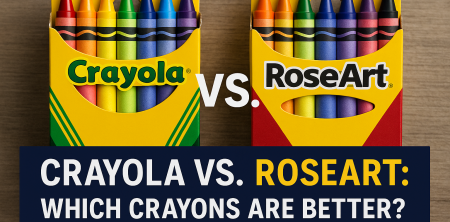
When it comes to coloring, the battle of brands is real—especially between Crayola and RoseArt. Both companies have established themselves as household names, and their crayons are staples in classrooms and homes across the nation. But if you’ve ever found yourself wondering which brand truly stands out, you’re not alone. This article will explore the key differences, similarities, and practical insights into Crayola vs RoseArt crayons, helping you make the best choice for your little artists.
1. History of Crayola and RoseArt
Crayola, established in 1903 by Edwin Binney and C. Harold Smith, has a long-standing reputation for quality and innovation. The brand is synonymous with childhood creativity, offering a wide range of coloring products beyond just crayons, including markers and colored pencils. Their signature crayon line, which features 120 colors, is beloved for its vibrant hues and durability.
On the other hand, RoseArt was founded in 1984 and quickly became known for offering budget-friendly alternatives to Crayola. Although RoseArt's primary focus is on affordability, they also emphasize creativity and fun. Their crayon line includes various colors and specialty options, catering to children who might not require the same level of quality as a professional artist.
2. Product Composition: What’s Inside the Crayon?
One of the most significant differences between Crayola vs RoseArt crayons lies in their composition. Crayola crayons are made from paraffin wax, which is known for producing a smooth application on paper. Their formulation includes non-toxic pigments that create vivid colors and ensure safety for young users. Related reading: creative uses for broken crayons.
In contrast, RoseArt crayons also use a paraffin base but can sometimes incorporate different additives to reduce production costs. This can result in a softer texture that breaks more easily than Crayola. Parents often report that while RoseArt crayons may still perform adequately, they might not hold up as well under heavy use.
3. Color Variety and Vibrancy
Color choice can make or break a child's coloring experience, and here, Crayola often takes the lead. With a whopping 120 colors in their standard line, Crayola offers a kaleidoscope of options that spark creativity. Their colors are not just numerous but also exceptionally vibrant, making them a favorite for educators and parents alike.
RoseArt, while offering a decent range of colors, provides fewer options than Crayola. Their crayons come in 64 colors, with some basic hues that might not shine as brightly as their Crayola counterparts. For young artists, the variety in colors can be an essential factor, especially if they're trying to bring imaginative scenes to life.
4. Durability and Performance
Durability is a critical aspect when selecting crayons, especially for young children who may not handle their art supplies delicately. Crayola crayons are known for their robustness; they resist breakage better than many competitors, allowing for hours of uninterrupted creativity. Their design also provides a firm grip, which is essential for small hands still mastering coordination.
While RoseArt crayons are generally reliable, they tend to be more fragile. Parents often share experiences of RoseArt crayons breaking more frequently during use, which can be frustrating for children eager to create. This factor may influence your decision, especially if you're selecting crayons for preschoolers or younger kids.
5. Price Comparison: Affordability vs. Quality
Price is often a deciding factor when choosing between Crayola vs RoseArt crayons. Crayola products are typically priced higher than RoseArt’s. For instance, a standard box of 24 Crayola crayons might cost around $3, while a similar box of RoseArt crayons can be found for about $1.50. This price difference is significant for budget-conscious families or schools purchasing supplies.
However, it’s worth considering whether it’s better to invest a little more in Crayola for the sake of quality, especially if your child is prone to using crayons frequently. The long-lasting nature of Crayola crayons often makes them a better value in the long run, despite the initial cost. In contrast, if you’re looking for an affordable option for occasional use, RoseArt could be the answer.
6. Availability and Accessibility
Both Crayola and RoseArt crayons are widely available in stores and online, making it easy for parents and educators to stock up. Crayola has a slightly broader national presence, often found in craft stores, educational supply shops, and large retailers like Walmart and Target. Their established brand recognition also means that new products from Crayola often get significant marketing attention.
RoseArt, while also available in many locations, may not have as extensive a reach as Crayola. However, you can frequently find their products in dollar stores or discount retailers, making them an appealing choice for those on a tight budget. Both brands offer online shopping options through their respective websites and major retailers. (See: History and background of Crayola.)
7. Eco-Friendliness and Safety Standards
As parents become increasingly conscious of environmental impacts, the sustainability of art supplies is a crucial topic. Crayola has taken steps toward being eco-friendly, with initiatives like using recycled materials in production and committing to reducing waste. Their crayons are also non-toxic and safe for children, meaning parents can feel confident about what their kids are using.
RoseArt also claims to adhere to safety standards and creates non-toxic products. However, they lack the same level of transparency regarding their environmental initiatives compared to Crayola. If sustainability is an essential factor for you, it may be worth considering Crayola's commitment to eco-friendly practices.
8. Artistic Application: Which Is Better for Young Artists?
The choice between Crayola and RoseArt can significantly impact a child’s artistic journey. Crayola’s crayons are designed with quality in mind, delivering smooth application and vibrant results. This is especially important for children learning to express themselves artistically, as it encourages them to explore their creativity without the frustration of poor-quality materials.
While RoseArt crayons are certainly adequate for casual use, they may not inspire the same level of confidence in young artists. A child’s first experiences with coloring can shape their future interest in art, making it crucial to choose supplies that enhance their creativity rather than hinder it.
9. Consumer Reviews and Experiences
When looking at consumer feedback, both Crayola and RoseArt have their advocates. Parents tend to favor Crayola for its reliability, quality, and overall performance. Many reviews highlight the vibrant colors and durability of Crayola crayons, noting that even with heavy use, they hold up well over time.
On the flip side, RoseArt often garners praise for its affordability and availability. Many families appreciate having a budget-friendly option that still allows their children to enjoy coloring without breaking the bank. While some may note that the quality doesn’t match Crayola, others argue that for the price, RoseArt serves its purpose well.
10. The Bottom Line: Which Crayons Should You Choose?
In the Crayola vs RoseArt crayons debate, the best choice ultimately depends on your needs and preferences. If you prioritize quality, vibrant colors, and durability, Crayola is likely the way to go. Their crayons are designed to enhance creativity and support the budding artist in your life.
However, if budget constraints are a primary concern and the crayons are for less frequent use, RoseArt presents a decent alternative. It’s essential to weigh the pros and cons of each brand and consider what matters most for your child’s creative activities. In the end, both brands have something to offer, and encouraging your child's artistic expression is what truly counts.
11. Detailed Product Comparisons
Let’s dive deeper into the specifics of each brand by comparing some popular products from Crayola and RoseArt. Crayola's Classic Crayons are famed for their rich pigmentation and smooth application. They come in a variety of packs, including the 8-count, 24-count, and even mega packs. In contrast, RoseArt’s Classic Crayons, while available in similar counts, tend to feature more muted colors and a softer texture, which can affect how they lay down on paper.
One notable product from Crayola is their Washable Crayons, designed specifically for easy cleanup. They’re perfect for young artists who might accidentally color outside the lines. RoseArt has a similar line of washable crayons, but many users find that Crayola’s version washes off more cleanly and completely from surfaces and fabrics.
12. Expert Perspectives on Crayon Use in Education
In educational settings, the choice of crayons can significantly impact a child’s learning experience. Art educators often recommend Crayola for preschool and kindergarten classrooms due to its superior quality. They argue that the vibrant colors encourage children to engage more with their art projects, fostering a deeper interest in creativity and expression.
Experts have also conducted studies showing that children who use higher-quality art supplies, like Crayola, tend to have better fine motor skills due to the crayons’ consistent texture and firmness. This is particularly relevant for early childhood development, where building coordination through art can be crucial.
Conversely, budget-conscious schools may lean towards RoseArt crayons, especially for large classes where supplies must be economical. While these crayons serve their purpose, teachers often note that they can lead to greater frustration for students, particularly when crayons break easily or when colors don’t apply as vibrantly.
13. Statistics on Crayon Usage
Statistics reveal some intriguing insights into crayon usage among children. According to a survey conducted by the American Art Association, approximately 85% of children aged 5-10 use crayons as their primary drawing tool. Of those, 60% prefer Crayola over any other brand, citing color diversity and durability as the main reasons for their preference. (See: Health implications of crayon materials.)
Furthermore, a study from the National Association for the Education of Young Children found that children exposed to higher-quality art supplies showed a 30% increase in creative expression in their projects. While these statistics support the use of Crayola in educational settings, they also highlight the importance of providing children with tools that inspire rather than limit their artistic potential.
14. Creative Projects with Crayola vs RoseArt Crayons
When considering how to engage children in art, the materials used can make a significant difference in the outcome of creative projects. For instance, Crayola crayons are often the material of choice for projects that require blending and layering techniques. Their smooth application allows for creating gradients, shading, and even mixed-media art pieces.
In contrast, RoseArt crayons can be excellent for drawing and coloring simple designs, especially when children are just starting to explore their artistic abilities. They provide a good way for children to practice their grip and control without the pressure of using more expensive materials. However, for projects where the final product matters, Crayola might be the more suitable option.
15. Frequently Asked Questions about Crayola and RoseArt Crayons
1. Are Crayola crayons better for young children than RoseArt?
While both brands are non-toxic and safe for children, Crayola crayons are often preferred for their durability and vibrant colors, which can enhance the coloring experience for young artists.
2. Can RoseArt crayons be used for professional artwork?
RoseArt crayons are generally intended for casual use and may not be suitable for professional artwork. Crayola's products, particularly their specialty lines, may be more appropriate for serious artists looking for quality. For more on this, see Thanksgiving coloring pages.
3. Are there any eco-friendly options available from both brands?
Crayola has made significant strides in eco-friendliness, using recycled materials and non-toxic pigments. RoseArt also claims to create non-toxic products but lacks detailed information about their sustainability practices.
4. Do Crayola crayons wash out easily from clothes?
Yes! Crayola offers washable crayons that are designed to wash out easily from fabrics and surfaces, making them a great option for young kids who may be prone to accidents.
5. How do I store my crayons to prevent them from breaking?
To prevent crayons from breaking, store them in a cool, dry place, preferably in their original boxes. Keep them away from direct sunlight or heat sources that might soften the wax.
6. Which brand is more popular among teachers?
Crayola is generally more popular among educators due to its reputation for quality and performance. Many teachers prefer to use Crayola crayons in the classroom to ensure a better experience for their students.
7. Are there any special editions of Crayola or RoseArt crayons?
Crayola frequently releases special edition crayons, including limited-edition colors and themes that coincide with holidays or events. RoseArt occasionally introduces seasonal packs as well, but they are less common than Crayola's offerings.
8. Can I use Crayola and RoseArt crayons together?
Absolutely! There's no harm in mixing crayons from different brands. Many children enjoy using a variety of colors, and combining different brands can often lead to unique artistic results.
9. Are there any unique features of Crayola crayons that set them apart?
Crayola offers features like dual-ended crayons, twistable crayons, and even crayons that can be used for watercolor effects. These innovations help set Crayola apart and provide additional creative opportunities for kids.
10. Where can I find the best deals on Crayola and RoseArt crayons?
Deals can often be found at major retailers, especially during back-to-school sales. Online platforms may also have competitive pricing, so it's worth checking multiple sources to find the best deals. (See: Latest news on children's products.)
16. Parental Preferences: What Do Parents Look For?
When choosing between Crayola and RoseArt, parents often consider several factors beyond just colors and price. Many parents prioritize safety and non-toxic properties, which both brands claim to adhere to. However, reviews suggest that Crayola's reputation for consistency and quality often sways parents towards their products.
Additionally, the ease of use is a significant consideration. Parents of younger children often prefer crayons that are easy to grip and less likely to break, which is where Crayola shines. The durability factor means less frustration for both children and parents during crafting activities.
Moreover, many parents report enjoying the experience of using Crayola crayons alongside their children, as the vibrant colors and smooth application make for a delightful shared activity. This bonding experience is often mentioned in reviews, emphasizing the emotional aspect of choosing art supplies.
17. Long-Term Impact of Quality Art Supplies
Research indicates that the quality of art supplies provided to children can influence their long-term engagement with art and creativity. Children who are given high-quality materials like Crayola crayons are often more willing to explore different techniques and mediums, potentially leading to lifelong interests in the arts.
In contrast, children who use lower-quality supplies, like some RoseArt products, may not have the same level of satisfaction or motivation to continue creating. This difference can shape their perception of art and creativity during their formative years. Ultimately, investing in quality can yield greater benefits in fostering a love of art.
18. Comparative Reviews: What Do Experts Say?
Experts in child development and educational psychology often emphasize the importance of providing children with quality art supplies. In various studies, educators have noted that materials like Crayola crayons allow children to express themselves more freely and confidently.
Industry professionals recommend Crayola for art education programs, citing that the quality of the crayon affects not just the final product but also the child's experience and willingness to engage in creative activities. RoseArt, while suitable for casual use, is often discouraged in settings where fostering artistic skill is a priority.
19. Conclusion: Finding the Right Balance
Ultimately, the choice between Crayola vs RoseArt crayons will depend on individual circumstances. If your child is a budding artist, investing in Crayola may encourage their creativity and enhance their artistic experience. On the other hand, RoseArt is a reasonable option for casual coloring sessions or for families looking to stock up without spending too much.
Understanding what each brand offers, along with your child's specific needs, can help you make an informed decision. Whether you choose Crayola or RoseArt, the most important thing is to encourage your child's artistic expression and creativity.
```
Trending Now
Frequently Asked Questions
Which crayons are better, Crayola or RoseArt?
Crayola crayons are generally considered better due to their vibrant colors, durability, and smooth application. They are made from high-quality paraffin wax, while RoseArt crayons are more budget-friendly but may break more easily and have a softer texture.
What is the history of Crayola and RoseArt?
Crayola was founded in 1903 and is known for its quality and innovation in coloring products. In contrast, RoseArt was established in 1984, focusing on budget-friendly alternatives while emphasizing creativity and fun.
What are Crayola crayons made of?
Crayola crayons are primarily made from paraffin wax and non-toxic pigments, ensuring a smooth application and vibrant colors that are safe for children to use.
Are RoseArt crayons safe for kids?
Yes, RoseArt crayons are safe for kids as they also use non-toxic ingredients. However, their composition may include additives that can affect durability compared to Crayola crayons.
Why do Crayola crayons cost more than RoseArt?
Crayola crayons typically cost more due to their higher quality materials, vibrant color formulation, and overall durability, which may make them a better investment for long-term use in art projects.
What did we miss? Let us know in the comments and join the conversation.

