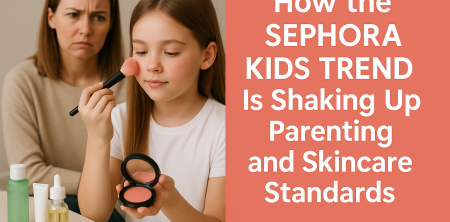
The Sephora Kids trend is a phenomenon that has recently captured parents’ attention, igniting conversations about children’s skincare practices and the broader implications of beauty culture. In a world increasingly influenced by social media, young children and preteens are adopting intricate skincare routines commonly seen among adults. This trend raises critical questions for parents regarding the safety, appropriateness, and psychological impact of such practices on their children. Dermatologists warn that these routines, often featuring high-end products that can damage younger skin, can lead to long-term issues. But how did we reach a point where kids are lathering on serums and moisturizers instead of just enjoying carefree childhoods?
1. The Rise of the Sephora Kids Trend
The Sephora Kids trend has gained momentum primarily due to the influence of social media platforms like TikTok and Instagram. Children, aware of the beauty standards set by influencers and celebrities, are increasingly feeling the pressure to conform. Many kids now view skincare as a rite of passage, akin to wearing makeup or styling their hair. As one dermatologist pointed out, it’s alarming to see children experimenting with the same products that adults use.
This trend is not just passing; it reflects a significant shift in how beauty routines are perceived. Children are not only watching their favorite influencers; they’re engaging with brands, learning about ingredients, and actively participating in beauty culture at a much younger age. This involvement can lead to an early obsession with appearance, altering how they view themselves as they grow.
2. The Role of Influencers and Social Media
Social media has become a double-edged sword for young audiences. On one hand, it offers inspiration and community; on the other, it fosters unrealistic expectations and beauty ideals. The Sephora Kids trend is a prime example of how quickly children can be drawn into adult concerns, often without adequate understanding. Influencers frequently promote elaborate skincare routines that can seem glamorous and aspirational to impressionable youths.
As children scroll through curated feeds showcasing flawless skin and a plethora of products, they may feel inadequate or compelled to replicate these routines. The pressure is compounded by the fear of missing out—children don’t want to feel left behind in a culture that celebrates beauty. This scenario raises concerns about emotional well-being and self-image during formative years.
3. Dermatologists Weigh In
In light of the Sephora Kids trend, dermatologists are sounding the alarm about the potential risks associated with children's use of adult skincare products. Many of these products contain potent ingredients that can irritate sensitive skin or lead to allergic reactions. High-end products, while appealing due to their branding, often don’t cater to the needs of children’s skin, which is more delicate and prone to adverse reactions.
Experts advise parents to approach skincare for children with caution. They recommend sticking to gentle, fragrance-free formulations specifically designed for younger skin and minimizing the use of active ingredients like retinoids or acids that could cause damage. The importance of education cannot be overstated—parents must help their children understand the difference between self-care and overindulgence.
4. The Financial Burden of High-End Beauty
The financial implications of the Sephora Kids trend are also a concern for many families. Skincare products can be expensive, and the allure of high-end brands often leads children to seek out products that are not only pricey but also unnecessary for their age group. Parents may find themselves spending large sums on items that their children may not even need, raising the question of whether such indulgence is truly beneficial.
Moreover, the obsession with luxury brands can create a distorted sense of value in children. It establishes a correlation between self-worth and material possessions, a lesson that could have lasting effects. Parents are encouraged to have open discussions about money and to guide their children towards appreciating skincare as a form of self-care rather than a status symbol.
5. Shifting Views on Beauty Standards
The Sephora Kids trend not only highlights the pressures of modern beauty standards but also offers an opportunity for introspection. As parents, it’s crucial to challenge these ideals and encourage healthy self-image and self-worth among children. Discussions around beauty should focus on the importance of taking care of one’s skin as a form of self-love rather than adhering to societal expectations.
By promoting a more balanced view of beauty, parents can help children understand that skincare is just one aspect of overall well-being. Activities centered on self-care can empower children, allowing them to cultivate a healthy relationship with their bodies as they grow up. This shift in perspective may also help counteract the harmful effects of social media. (See: children's mental health resources.)
6. Setting Boundaries for Skincare Routines
One of the most effective ways to manage the Sephora Kids trend is to set clear boundaries around skincare routines. Parents can collaborate with their children to create an age-appropriate regimen that prioritizes simplicity over complexity. This approach not only minimizes the risk of skin damage but also allows kids to feel included in the decision-making process.
For instance, parents can guide their children toward a basic routine that includes gentle cleansing and moisturizing, while explaining the importance of sun protection. Educating kids about why certain products are inappropriate for them can empower them to make better choices in the future. It’s essential to keep the lines of communication open, ensuring that children feel comfortable discussing their skincare interests and concerns.
7. Encouraging Healthy Habits
The Sephora Kids trend isn’t entirely negative; it can also serve as a stepping stone toward fostering healthy habits. Parents can use this trend as an opportunity to instill values of self-care and health. Teaching children about nutrition, hydration, and proper skincare from a young age can create a solid foundation for their future.
Incorporating natural remedies, like using aloe vera or coconut oil, can introduce children to the concept of skincare without relying on commercial products. This approach not only promotes creativity but also emphasizes the importance of natural ingredients. Ultimately, children can learn to appreciate the value of skincare as part of a holistic approach to well-being.
8. Promoting Authenticity Over Perfection
In the age of filters and curated content, promoting authenticity is vital. The Sephora Kids trend can inadvertently lead to a pursuit of unattainable perfection, which can be detrimental to a child's self-esteem. Parents should encourage their children to embrace their natural beauty and understand that imperfections are part of being human. (pros and cons of social media)
Engaging in conversations about the unrealistic portrayal of beauty in media and advocating for body positivity can have a profound impact. By fostering an environment where kids feel comfortable in their own skin, parents can combat the pressures associated with beauty standards. This ongoing dialogue can help children cultivate resilience against negative influences.
9. Moving Forward: Finding Balance in Skincare
The Sephora Kids trend serves as a wake-up call for parents and society as a whole. As the influence of social media continues to grow, there’s a pressing need to strike a balance between self-expression through beauty and the fundamental need for children to enjoy their childhood. Parents play a critical role in guiding their children toward healthy choices, emphasizing that skincare should be about self-care rather than societal approval.
This trend offers an invitation for a broader discussion regarding beauty, self-worth, and the impact of social media on young minds. It's crucial for parents to engage actively with their children about these topics, supporting them in developing a healthy, empowered view of themselves that transcends product labels and societal standards. By doing so, we can foster a generation of children who appreciate their unique beauty and prioritize their well-being over trends.
10. Understanding the Psychological Impact
The Sephora Kids trend brings to light the psychological implications tied to children's engagement with beauty culture. From a young age, kids are learning that beauty is not just about being clean or well-groomed, but also about enhancing their appearance through products. This can foster a sense of insecurity, as children may begin to base their self-esteem on their adherence to these beauty standards.
Research indicates that early exposure to beauty ideals can affect body image and self-worth. A study published in the journal Body Image found that children who frequently consumed media focused on beauty were more likely to report dissatisfaction with their own appearance. This trend could lead to anxiety disorders and other mental health challenges as children grow.
Parents must be aware of these impacts and take steps to educate their children about the realities of beauty culture. Discussing the difference between reality and what is portrayed in media can help mitigate some of these negative effects. It's vital to emphasize that self-worth is not determined by appearance but by character, kindness, and personal achievements.
11. Examples of Healthy Skincare Routines for Kids
In navigating the Sephora Kids trend, it’s helpful for parents to establish simple, effective skincare routines for their children. These routines should be tailored to their specific skin types and needs, using products designed for younger skin.
Here are some examples of healthy skincare routines: (See: impact of beauty standards on youth.)
- Morning Routine:
- Gentle cleanser: A mild, soap-free cleanser to wash away any overnight oil or dirt.
- Moisturizer: A lightweight, non-comedogenic moisturizer suitable for children.
- Sun protection: A broad-spectrum sunscreen with an SPF of at least 30.
- Evening Routine:
- Gentle cleanser: Again, a mild cleanser to remove the day's impurities.
- Moisturizer: The same moisturizer from the morning to hydrate the skin overnight.
By keeping routines simple and emphasizing the importance of sun protection and hydration, parents can help children develop positive skincare habits without overwhelming them.
12. Marketing Strategies Targeting Children
The Sephora Kids trend is also a reflection of how beauty brands are increasingly targeting younger audiences. With tailored marketing strategies, brands are creating products specifically designed for children, often emphasizing fun packaging, fruity scents, and colorful aesthetics. This approach exploits children's natural attraction to vibrant visuals and catchy advertising.
Some brands have launched entire lines dedicated to kids, which include themed skincare sets and playful applicators. However, these products sometimes blur the line between what's considered appropriate for children and what's marketed toward them for profit. Parents should be vigilant about the marketing tactics used in promoting these products and critically evaluate whether they align with their family values and the well-being of their children.
According to a report from the American Academy of Pediatrics, children as young as 8 can be influenced by advertising, making it crucial for parents to engage in discussions about marketing tactics and the motivations behind them. Encouraging children to think critically about advertisements can help them make informed decisions about the products they choose to use.
13. FAQs about the Sephora Kids Trend
What is the Sephora Kids trend?
The Sephora Kids trend refers to the growing phenomenon where children and preteens engage in skincare routines similar to those of adults, often influenced by social media and beauty culture.
Is it safe for kids to use adult skincare products?
Many adult skincare products contain ingredients that may not be suitable for younger, more sensitive skin. It’s generally recommended to use products specifically formulated for children.
How can parents set healthy boundaries around skincare?
Parents can establish simple skincare routines that focus on cleansing, moisturizing, and sun protection while engaging children in discussions about the importance of these practices without overindulgence.
What should I look for in children's skincare products?
When choosing skincare products for children, look for gentle, fragrance-free formulations that are specifically designed for their skin type. Avoid products with harsh chemicals or strong active ingredients.
How can I talk to my child about beauty standards?
Encourage open discussions about beauty norms and the influence of social media. Promote messages of self-acceptance and the idea that beauty is diverse and subjective.
Are there benefits to the Sephora Kids trend?
While the trend can have negative implications, it can also promote self-care habits and encourage children to learn about skincare and healthy living when approached positively.
14. Community and Support Resources
As parents navigate the Sephora Kids trend, they may benefit from community support and resources. Parenting groups, both online and offline, can provide a platform for discussing the challenges and experiences associated with children's engagement in beauty culture. (See: latest news on beauty trends.)
Additionally, there are numerous resources and educational materials available that focus on building self-esteem, promoting body positivity, and teaching children to value themselves beyond their appearance. Non-profit organizations dedicated to mental health and self-worth often provide workshops, seminars, and online courses that can help parents guide their children through these formative years.
By fostering a supportive community, parents can share strategies, insights, and knowledge, further equipping their children to navigate the complex world of beauty standards and self-image.
15. Impact on Future Generations
The Sephora Kids trend could have broader implications for future generations. If today's children grow up in an environment that constantly emphasizes beauty through products, it might influence how they perceive themselves and others. The normalization of extensive skincare routines at a young age may set a precedent for future beauty culture, where self-worth is increasingly tied to appearance.
Moreover, there’s a potential ripple effect on future marketing strategies. Brands may continue expanding their focus on younger demographics, leading to more products specifically targeting children. This could inadvertently result in an even stronger culture of consumerism surrounding beauty products, making it imperative for parents to educate children on balance and moderation in their skincare practices.
16. Expert Perspectives on the Trend
Experts in child psychology and dermatology have varying views on the Sephora Kids trend. Some psychologists suggest that allowing children to partake in beauty routines can serve as a way for them to express individuality and creativity. They argue that if approached correctly, these practices can be empowering, helping kids feel more confident in their skin and choices. This builds on how to protect your family.
However, dermatologists often stress the need for caution, emphasizing that children’s skin is still developing and requires protection from harsh chemicals. The consensus is that while some level of engagement with skincare can be healthy, it’s crucial to establish guidelines that promote safety, education, and healthy self-image.
To find a middle ground, some experts recommend parents allow children to engage with skincare under supervision, focusing on learning rather than consumption. By guiding children through the process, parents can instill values of self-care while ensuring their kids understand the importance of maintaining healthy skin.
Overall, the Sephora Kids trend reflects broader societal changes and highlights the importance of proactive parenting in fostering children's mental and emotional well-being. Balancing self-expression through beauty with the necessity of enjoying childhood is critical in nurturing a generation that is confident, authentic, and self-aware.
Trending Now
Frequently Asked Questions
What is the Sephora Kids trend?
The Sephora Kids trend refers to the growing phenomenon where young children and preteens adopt skincare routines similar to adults, influenced by social media platforms like TikTok and Instagram. This trend raises concerns among parents about the appropriateness and safety of such practices for younger skin.
How are social media and influencers impacting children's beauty routines?
Social media and influencers play a significant role in shaping children's beauty routines by setting beauty standards and trends. Kids are increasingly feeling pressured to conform to these ideals, leading them to engage with skincare products and practices typically reserved for adults.
What are the potential risks of children using adult skincare products?
Dermatologists warn that children using adult skincare products can lead to long-term skin issues, as their skin is more sensitive and reactive. High-end products may contain ingredients that could be harmful to younger skin, making it crucial for parents to monitor what their children use.
Why are kids becoming obsessed with skincare at a young age?
Kids are becoming obsessed with skincare due to the influence of social media, where they are exposed to beauty culture and standards from a young age. This early engagement can lead to an unhealthy focus on appearance and self-image, altering their perception of beauty.
What should parents consider regarding their children's skincare habits?
Parents should consider the safety and appropriateness of skincare products for their children, as well as the psychological impact of early involvement in beauty culture. It's essential to promote a healthy relationship with skincare and body image, encouraging self-acceptance over conformity to trends.
Agree or disagree? Drop a comment and tell us what you think.

