```html
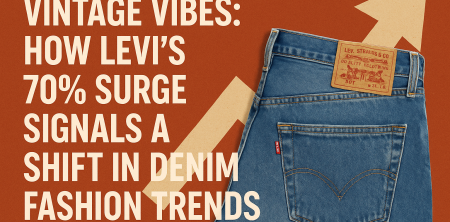
In the ever-evolving landscape of fashion, it’s not often that a 173-year-old company surprises the market with stunning growth figures. Yet, Levi Strauss & Co. has done just that. Recently, the denim giant reported a remarkable 70% surge in popularity for its premium summer lineup, marking a significant shift in denim fashion trends. But what’s behind this surge? And why is it resonating so strongly with shoppers and investors alike?
The Rise of Vintage Aesthetics
As we move further into 2026, the fashion narrative has taken a sharp turn toward vintage-inspired silhouettes. Gone are the days when skinny jeans ruled supreme; today, the spotlight shines on looser, more relaxed fits reminiscent of styles from decades past. This shift aligns perfectly with the ethos of the 'thrifting' culture, where consumers are increasingly drawn to sustainable practices and the allure of nostalgic fashion.
Bank of America has noted that this trend isn't just a passing phase; it represents a broader cultural movement where comfort and individuality triumph over stringent fashion rules. As consumers seek out clothing that tells a story, Levi’s has managed to adapt and thrive by integrating such elements into its offerings.
Understanding the 70% Surge
Why exactly is Levi Strauss experiencing such a meteoric rise in sales? The answer lies in a combination of strategic marketing, product innovation, and a keen understanding of consumer preferences. The company's pivot from traditional skinny jeans toward more relaxed fits speaks to a growing desire for comfort, especially in the post-pandemic world.
According to recent reports, Levi’s premium lineup—characterized by looser fits and vintage washes—has captured the attention of a demographic that values both style and sustainability. These jeans are not just items of clothing; they represent a lifestyle choice that prioritizes endurance over fleeting fashion trends.
The Impact of Social Media
With social media playing a critical role in shaping fashion trends, it’s no wonder that Levi’s resurgence has picked up steam online. Platforms like Instagram and TikTok have become breeding grounds for showcasing 'fits' that embrace this new denim aesthetic. Influencers and everyday users alike are sharing their favorite ways to style these vintage-inspired pieces, fueling interest and search volume.
Levi’s strategic use of social media has allowed the brand to position itself as not just a clothing manufacturer, but a cultural icon. The hashtag #Levis has amassed millions of views, demonstrating the brand's ability to resonate with a modern audience while staying true to its roots.
The Thrifting Movement
Another crucial factor contributing to Levi's success is the booming thrifting movement that aligns seamlessly with the current denim fashion trends. As consumers become more environmentally conscious, the appeal of secondhand shopping has surged. Thrifting not only promotes sustainability but also offers shoppers the thrill of finding unique, one-of-a-kind pieces. Related reading: sustainable classroom practices.
Levi’s has tapped into this by emphasizing the durability and timelessness of its denim. Their focus on high-quality materials ensures that the jeans last longer, making them a perfect fit for the thrifting mindset. As a result, vintage Levi's pieces have become highly sought after in thrift stores, further enhancing the brand's reputation as a staple in the denim world.
Slow Fashion vs. Fast Fashion
The shift toward looser fits and vintage styles also reflects a broader movement toward slow fashion, which prioritizes quality, craftsmanship, and sustainability over the rapid turnover of fast fashion. Consumers are becoming increasingly aware of the environmental impact of their purchases, leading to a demand for clothing that is not only stylish but also ethical. (See: vintage denim trends in fashion.)
Levi's commitment to sustainable practices—such as using less water in production and offering a recycling program for old jeans—positions the brand favorably within this paradigm. By aligning with the values of slow fashion, Levi’s reinforces its legacy while engaging a new generation of eco-conscious consumers.
A Closer Look at the New Lineup
Levi’s new premium summer lineup is not just about fits; it’s also about variety. The collection features an array of washes, styles, and designs that cater to different tastes. From wide-leg jeans to relaxed cuts, the lineup invites wearers to express their individuality while embracing comfort.
This diversity is particularly appealing to millennials and Gen Z—demographics that crave personalization in their fashion choices. By providing a range of options, Levi’s encourages consumers to mix and match, creating unique looks that reflect their personal style.
Expert Opinions on Denim Fashion Trends
Fashion experts are weighing in on Levi's resurgence and the wider implications for the denim industry. Trend forecasters note that this shift toward relaxed fits is not merely a trend but a reflection of changing lifestyles. As remote work becomes more normalized, people are looking for comfortable yet stylish clothing that can transition from home to social settings.
Additionally, industry insiders believe that as brands like Levi’s adapt to these changes, they not only survive but thrive. With high stakes involved, the company’s ability to pivot quickly has positioned it well for future success.
The Future of Denim Fashion Trends
As Levi Strauss continues to capitalize on the current surge in demand for vintage-inspired denim, the future appears bright for the brand. This shift in denim fashion trends signals a broader cultural movement that values sustainability, comfort, and individuality. Brands that fail to adapt may find themselves at a disadvantage as consumers increasingly gravitate toward companies that align with their values.
If the past few years have taught us anything, it’s that fashion is cyclical, and the trends we see today might just be the seeds of tomorrow's styles. As the denim landscape evolves, keeping an eye on these changes will be crucial for both consumers and investors looking to navigate the market. creative anchor charts for recycling offers useful background here.
Consumer Takeaways
For shoppers looking to stay ahead of the curve, understanding these denim fashion trends is essential. Here are a few tips to keep in mind when updating your wardrobe:
- Prioritize Fit: Opt for looser, comfortable styles that allow for movement and create a relaxed silhouette.
- Embrace Vintage: Explore thrift stores and vintage shops for unique pieces that not only stand out but also reduce your carbon footprint.
- Support Sustainable Brands: Choose brands that prioritize ethical production practices and invest in quality materials.
- Experiment with Styles: Don’t be afraid to mix and match different washes and fits to create a look that reflects your personal style.
The Bottom Line
Levi Strauss’s recent success underscores a significant cultural shift in denim fashion trends, emphasizing comfort, sustainability, and individuality. As the brand embraces this movement with open arms, it not only reinvigorates its legacy but also paves the way for future growth.
This isn't just a moment for Levi’s; it’s part of a larger conversation about what fashion means in today’s world. As consumers increasingly seek authenticity and connection to the brands they choose, the denim giant’s ability to adapt is a powerful reminder that sometimes, the classics are the most innovative of all.
Exploring Trends Beyond Levi's
While Levi Strauss is at the forefront of the current denim revival, other brands are also making significant strides in the denim fashion landscape. Brands such as AG Jeans, Madewell, and Everlane are all contributing to the movement towards sustainable and stylish denim. Each has carved out its niche, focusing on unique offerings that appeal to different demographics.
AG Jeans, for instance, is recognized for its luxury denim that emphasizes fit and comfort, appealing to those who are willing to invest in high-quality pieces. Their commitment to using eco-friendly materials has also resonated well with environmentally-conscious consumers. On the other hand, Madewell has built a strong reputation for its accessible and on-trend denim styles, particularly among younger shoppers. Their engaging marketing campaigns often highlight the versatility of their denim, making it a go-to choice for millennials. (See: Levi's sales surge analysis.)
Statistics on Denim Consumption
To understand more about the denim market, consider some compelling statistics. According to a report from Allied Market Research, the global denim market was valued at approximately $64.5 billion in 2020 and is projected to reach $97.3 billion by 2028, growing at a CAGR of 5.5%. This growth demonstrates a robust demand for denim worldwide, driven by factors including fashion trends, innovative designs, and shifts towards sustainable practices.
Moreover, surveys indicate that 83% of consumers are now more mindful of how their clothing choices impact the environment. This awareness fuels the demand for brands that demonstrate environmental responsibility, suggesting that companies like Levi’s that embrace these principles will likely continue to thrive.
Global Perspectives on Denim Trends
Looking beyond the U.S., denim fashion trends are evolving in various international markets as well. In Europe, for example, there's a notable shift towards high-waisted jeans and oversized fits, paired with crop tops or fitted blouses, reflecting a blend of nostalgia and modernity. In Asia, particularly in South Korea and Japan, street style heavily influences denim choices, leading to unique interpretations of denim fashion, such as distressed or deconstructed styles that appeal to younger consumers.
In South America, denim is often seen as a staple for casual wear, but brands are increasingly infusing local culture into their designs, creating collections that resonate with regional aesthetics. This cultural diversity in denim styles illustrates how global influences are shaping local markets, leading to a richer tapestry of fashion trends.
Frequently Asked Questions
What are the current denim fashion trends?
Current denim fashion trends include looser fits, vintage-inspired silhouettes, high-waisted styles, and a focus on sustainability. Brands are increasingly offering diverse styles that cater to both comfort and individuality.
How can I style vintage denim?
Styling vintage denim can be fun and creative. Pair high-waisted jeans with a tucked-in graphic tee or an oversized blouse for a relaxed look. Accessorizing with statement belts or vintage jewelry can further enhance the outfit.
What should I consider when buying sustainable denim?
When purchasing sustainable denim, consider the materials used (look for organic cotton or recycled fabrics), the brand's production practices, and any certifications (such as GOTS or Fair Trade) that indicate ethical practices. It’s also beneficial to research the brand’s commitment to environmental sustainability.
Are skinny jeans still in style?
While skinny jeans are being overshadowed by looser fits and vintage styles, they haven't completely disappeared. Many fashion enthusiasts still enjoy styling skinny jeans in unique ways, such as pairing them with oversized tops or layering them under longer jackets.
What is the best way to care for denim to make it last longer?
To extend the life of your denim, wash it less frequently to avoid fading and wear. When you do wash, turn them inside out in cold water and hang them to dry. This helps preserve the color and shape. Avoid using fabric softener, as it can break down the fibers over time.
How do I choose the right fit for my body type?
Choosing the right fit depends on your body shape and personal style. For example, curvier figures may prefer high-waisted styles to flatter the waist, while those with a more athletic build might find straight-leg jeans complement their frame. It’s essential to try on various styles and fits to see what feels most comfortable and looks best on you. (See: Harvard Business School insights on consumer behavior.)
Denim in Pop Culture
Denim has played an iconic role in pop culture, symbolizing rebellion, individuality, and style. From James Dean's classic look in "Rebel Without a Cause" to the grunge era of the '90s featuring ripped jeans and oversized flannels, denim's significance in the cultural narrative is undeniable. Today, celebrities continue to influence denim trends, often spotted in relaxed fits and vintage styles on red carpets and social media. The link between denim fashion and celebrity culture not only drives sales but also shapes public perceptions of what is deemed stylish.
What's Next for Denim Fashion Trends?
As we look forward, several exciting directions are shaping the future of denim fashion trends. First, we can expect to see even more experimentation with sustainable fabrics. Brands are innovating with materials like Tencel and organic cotton that minimize environmental impact while offering comfort and style. There's a fuller look at classroom sustainability ideas.
Furthermore, the incorporation of technology into denim apparel is on the rise. Think smart textiles that adapt to body temperature or even jeans that can charge your devices. These innovations could redefine how consumers interact with denim, merging fashion and technology in ways that have never been seen before.
Additionally, inclusivity in sizing and fits is becoming a priority for many brands. The push for body positivity has led to a demand for denim that accommodates all shapes and sizes, ensuring that everyone can express their style authentically.
Denim Collaborations and Limited Editions
Collaborations between denim brands and high-profile designers or celebrities are becoming a significant trend. Limited edition collections often create a buzz and drive demand, as consumers seek unique pieces that set them apart. These collaborations can also introduce fresh perspectives and aesthetics to traditional denim styles, keeping the market vibrant and engaging.
For instance, the partnership between Levi’s and various artists or fashion designers often leads to unique collections that reflect contemporary art and culture. These special releases not only create excitement among fans but also highlight the versatility and creativity inherent in denim fashion.
Conclusion: Embracing the Denim Evolution
As we observe the evolution of denim fashion trends, it's evident that comfort, sustainability, and personal expression are at the forefront. Levi Strauss & Co.'s impressive growth is a testament to the brand's ability to adapt and thrive in a changing landscape. By understanding the trends, consumers can make informed choices that align with their values and style preferences. With the denim landscape continually evolving, it’s an exciting time for fashion enthusiasts as they explore new styles and embrace the rich history of this timeless fabric.
```
Trending Now
Frequently Asked Questions
Why is Levi's experiencing a surge in popularity?
Levi's is experiencing a 70% surge in popularity due to strategic marketing, product innovation, and a shift towards relaxed, vintage-inspired fits. This aligns with consumer preferences for comfort and sustainability, particularly in the post-pandemic era.
What denim trends are emerging in 2026?
In 2026, denim trends are shifting from skinny jeans to looser, vintage-inspired silhouettes. This change reflects a broader cultural movement towards comfort, individuality, and sustainable practices, resonating with consumers who value clothing that tells a story.
How is social media influencing denim fashion?
Social media plays a significant role in influencing denim fashion by showcasing vintage aesthetics and promoting sustainable practices. Platforms amplify the appeal of brands like Levi's, which cater to a demographic seeking comfort and unique style.
What does the rise of thrifting indicate about fashion trends?
The rise of thrifting indicates a growing consumer preference for sustainable fashion and nostalgia. As shoppers seek unique, vintage pieces, brands like Levi's adapt by offering collections that emphasize durability and timeless style.
How is consumer behavior changing in the fashion industry?
Consumer behavior in the fashion industry is shifting towards valuing comfort, sustainability, and individuality. This change is reflected in the popularity of relaxed fits and vintage styles, as consumers prioritize clothing that aligns with their lifestyle choices.
Have you experienced this yourself? We'd love to hear your story in the comments.

