```html
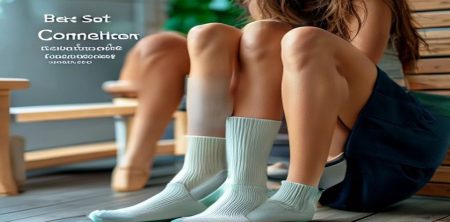
If you’re a teacher, you know that the demands of the job can take a toll on your body. Between long hours standing in front of the classroom, running between classes, and managing active students, it’s no surprise that many educators experience discomfort in their legs and feet. This is where compression socks for teachers come into play. These specially designed socks provide essential support, improve circulation, and can make a huge difference in your daily comfort. Here’s a comprehensive look at the best options available, along with insights into why you might want to consider adding them to your wardrobe.
1. Understanding Compression Socks
Compression socks are designed to apply gentle pressure to your legs and feet. This pressure enhances blood flow, preventing issues like swelling and fatigue. For teachers who spend hours on their feet, this can be a game-changer. They work by compressing the surface of the leg, which helps to increase blood circulation, thus reducing the risk of varicose veins and other circulatory problems.
There are various levels of compression, usually measured in millimeters of mercury (mmHg). For most people, socks that provide 15-20 mmHg of compression are effective for daily wear. However, teachers with more significant discomfort may want to explore options with higher compression levels (20-30 mmHg). It's crucial to choose the right level of compression based on your specific needs.
2. Benefits of Compression Socks for Teachers
The benefits of wearing compression socks extend beyond just comfort. Here are some of the most significant advantages:
- Reduced Fatigue: Many teachers report feeling less fatigued at the end of the day when wearing compression socks. This is primarily due to improved blood circulation.
- Enhanced Comfort: The snug fit and supportive design can help reduce the discomfort associated with long hours of standing.
- Prevention of Swelling: Compression socks help to minimize swelling in the feet and legs, which can be especially beneficial during warmer months or after a long day.
Incorporating compression socks into your daily routine can lead to improved overall comfort and work performance as a teacher. Whether you’re lecturing, grading assignments, or supervising outdoor activities, your legs will thank you.
3. Key Features to Look For
When shopping for compression socks, not all pairs are created equal. Here are some key features to consider before making a purchase:
- Compression Level: As mentioned earlier, choose the right level of compression based on your needs.
- Material: Look for breathable materials that wick away moisture to keep your feet dry and comfortable.
- Length: Compression socks come in various lengths, including knee-high and crew lengths. Knee-high options are popular for their effectiveness.
- Fit: Ensure that the socks fit snugly but are not too tight. They should be easy to put on and take off.
Being attentive to these features can greatly enhance your experience with compression socks, making them a valuable addition to your teaching wardrobe.
4. Top Brands to Consider
With numerous brands on the market, it’s essential to choose reliable options that educators trust. Here are some of the top brands to consider when searching for compression socks for teachers:
- Sockwell: Known for their stylish designs and comfort, Sockwell socks provide excellent compression levels and are made with merino wool, making them breathable and moisture-wicking.
- Physix Gear Sport: This brand offers a variety of compression socks with a focus on athletic support. They're designed to relieve fatigue while standing or sitting for long periods.
- CompressionZ: These socks are designed for both men and women and come in several fun colors. They provide a firm grip without compromising comfort.
Each of these brands has unique features that cater specifically to the needs of teachers, ensuring you find a pair that suits your style and comfort requirements.
5. Our Top Picks for Compression Socks
After thorough research and reviews, here are our top picks for compression socks suitable for teachers:
- 1. Sockwell Merino Wool Graduated Compression Socks: These socks offer 15-20 mmHg compression and are made from high-quality merino wool, providing both warmth and breathability. Ideal for year-round wear.
- 2. Physix Gear Compression Socks: With a 20-30 mmHg compression level, these socks are perfect for active teachers. They come with moisture-wicking properties and a comfortable fit.
- 3. CompressionZ Compression Socks: These offer a moderate compression level and are designed for durability. They are available in multiple colors and patterns.
These top picks not only excel in compression but also in comfort and design. They’ll help you maintain your energy throughout your busy teaching day. (See: Understanding the benefits of compression socks.)
6. How to Properly Wear Compression Socks
Wearing compression socks is straightforward, but ensuring you’re using them correctly is key to experiencing their benefits fully. Here are some guidelines:
- Put Them On in the Morning: It’s best to wear your compression socks first thing in the morning when your legs are less swollen.
- Wear Them for Extended Periods: They can be worn throughout your workday. Many teachers find relief by wearing them for 8-12 hours daily.
- Check for the Right Fit: Make sure the socks are snug but not uncomfortably tight. You should be able to move your toes freely.
Following these tips can help you maximize the benefits of wearing compression socks in your daily teaching routine.
7. Real-Life Testimonials
To provide a well-rounded perspective, here are some testimonials from teachers who have incorporated compression socks into their daily routine:
- “Since I started wearing compression socks, I’ve noticed a significant decrease in the swelling in my legs by the end of the day. It’s like I can finally breathe after a hectic day!” - Sarah, 2nd Grade Teacher.
- “I was skeptical at first, but now I can’t imagine teaching without them. My legs feel fresher, and I can focus better on my students.” - Mark, High School Math Teacher.
- “They’re so comfortable, and I love the variety of styles. I feel like I’m making a fashion statement while staying healthy!” - Jessica, Kindergarten Teacher.
These testimonials highlight the transformative impact that compression socks can have on teachers' daily lives, enhancing both comfort and performance in the classroom.
8. Common Myths About Compression Socks
Despite their benefits, there are many myths surrounding compression socks that can deter teachers from trying them. Here are a few misconceptions:
- Myth 1: Compression socks are only for older adults or athletes. Truth: They can benefit anyone who stands for extended periods, including teachers.
- Myth 2: They’re uncomfortable and constricting. Truth: The right pair should feel snug yet comfortable, not painful.
- Myth 3: Compression socks are only for medical conditions. Truth: They’re also beneficial for preventing fatigue and discomfort associated with everyday activities.
By debunking these myths, more teachers can embrace the benefits of compression socks and integrate them into their daily routines for enhanced comfort and health.
9. Where to Buy Compression Socks for Teachers
Finding the perfect pair of compression socks is easier than ever, thanks to various retail options. Here are some recommended places to shop:
- Online Retailers: Websites like Amazon, Zappos, and the official brand websites offer extensive selections and customer reviews.
- Local Pharmacies: Many local pharmacies carry a range of compression socks. You can often try them on to gauge the fit and comfort.
- Specialty Stores: Stores specializing in medical or athletic wear frequently stock high-quality compression options.
With online and local options, you can easily find a pair that suits your needs, style, and budget.
10. The Future of Compression Socks
The market for compression socks continues to evolve, with innovations that promise even better comfort and performance. This includes advancements in materials, such as moisture-wicking fabrics and seamless designs that reduce irritation.
Moreover, as awareness grows about the benefits of compression wear, more styles and patterns are becoming available, allowing teachers to express their personality while prioritizing their health. This trend encourages teachers to embrace compression socks not just as a necessity, but as a stylish accessory.
Considering the significant role they play in promoting comfort and support, it’s clear that compression socks for teachers are not just a passing trend; they’re a practical solution to a common challenge faced by many educators.
11. Expert Perspectives on Compression Socks
To gain a better understanding of the effectiveness of compression socks, we spoke to a few health professionals who specialize in sports medicine and podiatry.
Dr. Emily Hartman, a podiatrist, emphasizes that compression socks are particularly beneficial for teachers who have to stand for long periods. “The gentle pressure applied by compression socks helps veins function more effectively, reducing the risk of venous disorders,” she explains. “It’s not just about comfort; it’s about long-term vascular health.” (See: CDC guidelines on compression therapy.)
Another expert, Dr. Raj Patel, a sports medicine specialist, notes, “For educators, fatigue is a common complaint. Compression socks can help alleviate that fatigue by enhancing circulation. They promote oxygen delivery to the muscles, which can improve endurance and overall performance.”
These perspectives highlight the importance of compression socks not only for comfort but for the overall well-being of teachers who face the daily challenges of an active job.
12. Statistics on Teacher Fatigue
Teacher fatigue is a well-documented issue that impacts performance and job satisfaction. According to a study published by the National Education Association, about 60% of teachers experience chronic fatigue, primarily linked to their demanding work environment. The report also highlighted that teachers who engage in activities to alleviate this fatigue, such as wearing compression socks, report higher levels of job satisfaction.
Moreover, a survey conducted by the National Center for Education Statistics found that 75% of teachers felt that standing for long periods contributed to their discomfort at work. These stats underscore the importance of finding solutions to enhance comfort and promote well-being among educators.
13. Comparison of Compression Levels
Understanding the different compression levels is crucial for selecting the right socks. Here’s a brief comparison:
- 15-20 mmHg: This is considered mild compression and is suitable for everyday wear. It’s ideal for those who spend long hours standing or sitting.
- 20-30 mmHg: This level provides moderate compression and is often recommended for individuals experiencing more severe discomfort or swelling. It’s suitable for teachers dealing with significant fatigue or leg swelling.
- 30-40 mmHg: This is classified as firm compression, often used by individuals with chronic conditions. It’s typically not necessary for most teachers but is worth mentioning for those with specific medical needs.
Choosing the correct compression level can make a big difference. It's advisable to consult with a healthcare provider if you're uncertain about what level is appropriate for your needs.
14. Frequently Asked Questions About Compression Socks
Here are some common questions teachers might have about compression socks:
- Q: Can I wear compression socks all day?
A: Yes, many teachers wear them throughout their workday. Just ensure you take breaks to remove them if you feel discomfort. - Q: How do I know which size to buy?
A: Sizing typically depends on your shoe size and calf circumference. Measure your calves and consult the sizing chart provided by the manufacturer. - Q: Can compression socks prevent varicose veins?
A: While they may not completely prevent varicose veins, they can help reduce the risk by improving circulation. - Q: Are there any side effects?
A: Most people tolerate compression socks well, but if you experience numbness, tingling, or increased pain, you should remove them and consult a healthcare provider.
These FAQs can help demystify compression socks and encourage more teachers to consider them as a practical solution for comfort and health.
15. The Role of Compression Socks in Overall Health
It’s essential to recognize that while compression socks offer significant benefits for teachers, they are part of a larger strategy for maintaining overall health. Regular exercise, a balanced diet, and proper hydration are crucial components of well-being.
Incorporating movement breaks into your teaching day can also enhance the effects of compression socks. Simple stretching or walking around the classroom can help keep your circulation flowing and your energy levels up.
By viewing compression socks as one part of a holistic approach to health, teachers can better manage the physical demands of their profession. This comprehensive strategy can lead to improved energy levels, enhanced job satisfaction, and a more fulfilling teaching experience.
16. Additional Considerations When Choosing Compression Socks
As you look for the right compression socks, consider the following additional factors to enhance your comfort and effectiveness:
- Seasonal Wear: Depending on the time of year, you might want to opt for socks designed for warmer or cooler temperatures. Some brands offer lighter materials for summer and thicker options for winter wear.
- Allergies and Sensitivities: If you have sensitive skin or allergies, check the materials used in the socks. Opt for hypoallergenic options if necessary.
- Design and Style: Compression socks come in various styles, colors, and patterns. Choose a design that reflects your personality and makes you feel confident while wearing them.
Taking these considerations into account can lead to a more satisfying purchase and daily use experience.
17. How Compression Socks Compare to Other Supportive Wear
Compression socks are often compared to other types of supportive wear, such as compression sleeves and traditional socks. Here’s a brief overview of how they stack up:
- Compression Sleeves: These provide similar benefits to compression socks but only cover the lower leg. They’re often favored by athletes for activities like running but may not provide the same level of support for teachers who spend long hours on their feet.
- Traditional Socks: While they offer comfort, traditional socks do not have the same level of compression and circulation support. They might not alleviate fatigue or swelling as effectively as compression options.
When you consider the specific needs of a teacher, compression socks stand out as the superior choice for support and comfort during long work hours.
18. Creating a Routine with Compression Socks
To maximize the benefits of compression socks, integrating them into your daily routine is key. Here are some tips:
- Make Them Part of Your Morning Ritual: Start your day by putting on your compression socks before you begin your teaching duties. This sets the tone for comfort throughout the day.
- Pair with Foot Exercises: While wearing compression socks, incorporate simple foot and calf exercises throughout the day. This can enhance circulation and further reduce fatigue.
- End of Day Care: After a long day of teaching, consider using a cooling spray or soaking your feet to complement the benefits of the socks. This can enhance relaxation and recovery.
Establishing a routine can ensure you enjoy the full range of benefits compression socks offer.
19. Conclusion: Compression Socks as a Teaching Essential
For teachers, managing the physical demands of their profession is crucial for maintaining both comfort and efficiency. Compression socks for teachers are more than just an accessory; they’re an important tool for promoting leg health and overall well-being. With a variety of options available, it’s easier than ever to find styles and features that fit your personal needs.
By incorporating compression socks into your daily routine, you’re investing in your health and your ability to perform your best in the classroom. So why wait? Start exploring your options today and experience the comfort and support that compression socks can provide!
```
Trending Now
Frequently Asked Questions
What are the benefits of compression socks for teachers?
Compression socks provide several benefits for teachers, including reduced fatigue due to improved blood circulation, enhanced comfort from their snug fit, and prevention of swelling in the legs and feet. These advantages can significantly improve daily comfort during long hours of standing and managing active classrooms.
How do compression socks work?
Compression socks work by applying gentle pressure to the legs and feet, which enhances blood flow and circulation. This helps prevent swelling, fatigue, and other circulatory issues, making them especially beneficial for individuals who spend extended periods on their feet, such as teachers.
What level of compression is best for teachers?
For most teachers, compression socks with a level of 15-20 mmHg are effective for daily wear. However, those experiencing more significant discomfort may benefit from higher compression levels, such as 20-30 mmHg. It's important to choose the right level based on individual needs.
Can compression socks help with varicose veins?
Yes, compression socks can help reduce the risk of developing varicose veins by improving blood circulation in the legs. By applying pressure to the surface of the legs, they promote better blood flow and can alleviate discomfort associated with varicose veins.
Are compression socks comfortable to wear all day?
Many teachers find compression socks comfortable to wear throughout the day. Their snug fit provides support and reduces leg fatigue, making them suitable for long hours in the classroom. Choosing the right size and compression level can enhance comfort even further.
What's your take on this? Share your thoughts in the comments below — we read every one.

