```html
In an era where conflict and instability have become synonymous with many regions in the Middle East, Egypt is standing out as a beacon of hope and resilience in the tourism sector. A recent report highlights that international tourist arrivals in Egypt surged by a staggering 16% during the first quarter of 2026. This remarkable growth has positioned Egypt as the strongest-performing destination in the Middle East and North Africa, even as the wider region faced a daunting 14% decline in tourism due to ongoing conflicts. This article will explore the intricacies behind this unexpected success and what it means for the future of Egypt tourism in 2026 and beyond.
The Numbers Don't Lie: Egypt's Tourism Boom
Tourism is often viewed as a barometer for economic health, and in Egypt's case, the numbers tell a compelling story. During the January to March period of 2026, Egypt welcomed 6.1 million international tourists, marking a significant increase not only from the previous quarters but also a continuation of a trend that saw a 20.5% increase in 2025 compared to the prior year. This contrasts sharply with the global tourism growth rate of only 2% and highlights Egypt’s unique position in an otherwise troubled region.
Reasons Behind the Surge
So, what’s fueling this renaissance in Egypt tourism 2026? Several factors come into play:
- Stable Political Climate: Despite regional conflicts, Egypt has managed to maintain relative stability. This has reassured travelers seeking safe and reliable destinations.
- Targeted Marketing Campaigns: The Egyptian government has invested heavily in marketing efforts to attract tourists, focusing on the country's rich historical heritage, vibrant culture, and stunning landscapes.
- Unique Experiences: Egypt offers experiences that are both culturally enriching and adventurous—from exploring the ancient pyramids and temples to enjoying luxury cruises on the Nile.
- Growing Accessibility: Increased flight routes and competitive pricing have made it easier and more affordable for tourists to visit Egypt.
A Closer Look at the Competition
While Egypt thrives, many of its neighbors are grappling with a downturn in tourism. Countries like Syria, Iraq, and Libya have witnessed significant declines, with safety concerns deterring potential visitors. Egypt’s success, therefore, not only highlights its own strengths but also underscores the challenges faced by neighboring countries. Travelers are increasingly drawn to destinations that promise safety, and Egypt's ability to deliver on this front is a testament to its effective tourism policies.
Challenges and Opportunities
Despite these positive developments, Egypt's tourism sector is not without challenges. The broader Middle Eastern context, characterized by instability, poses ongoing risks. Additionally, environmental factors such as climate change and the management of archaeological sites require careful consideration. However, these challenges also present opportunities for Egypt to innovate and improve its tourism offerings.
For instance, the country can invest in sustainable tourism practices that not only protect its rich heritage but also appeal to the growing segment of eco-conscious travelers. This dual approach could further strengthen Egypt's appeal as a top-tier tourist destination.
The Role of Social Media and Word of Mouth
In today's digital age, social media plays a crucial role in shaping travel decisions. Positive experiences shared by travelers can create a powerful narrative that encourages others to visit. As Egypt continues to generate positive buzz on platforms like Instagram and TikTok, the allure of its historical wonders and stunning landscapes becomes more pronounced. This peer influence often drives the "fear of missing out" phenomenon, compelling potential travelers to choose Egypt for their next vacation.
Government Initiatives Boosting Tourism
The Egyptian government has taken significant steps to revitalize the tourism sector. Initiatives like the "2026 National Tourism Strategy" aim to position Egypt as a leading global tourist destination by enhancing infrastructure, modernizing services, and improving marketing strategies.
Collaborations with international travel agencies and tourism boards have also been instrumental in promoting Egypt's attractions. By showcasing the country's vast resources and stability, the government has effectively created a narrative that counters fears regarding regional instability.
Tourism Revenue Growth: A Financial Perspective
Along with the increase in tourist arrivals, Egypt also reported an 8% increase in tourism revenues for the first quarter of 2026. This uptick not only boosts the national economy but also supports local businesses, from hotels and restaurants to tour operators. The financial gains can lead to better facilities and services for tourists, creating a cycle of improvement and growth in the tourism sector. (See: Health in Egypt - WHO.)
Future Prospects for Egypt Tourism 2026
Looking ahead, the prospects for Egypt tourism in 2026 and beyond appear promising. With continued investments in infrastructure and marketing, there’s potential for sustained growth. The key will be maintaining the safety and satisfaction of visitors while expanding the range of offerings. Tourists are increasingly seeking diverse experiences, so providing everything from cultural immersion to adventure tourism will be vital.
Additionally, keeping an eye on global trends, such as wellness tourism, can help Egypt diversify its appeal. Wellness retreats along the Red Sea or Nile cruises focusing on relaxation and rejuvenation could attract a different demographic of travelers.
Concrete Examples of Attractions Drawing Tourists
Some of the attractions drawing tourists to Egypt in 2026 include:
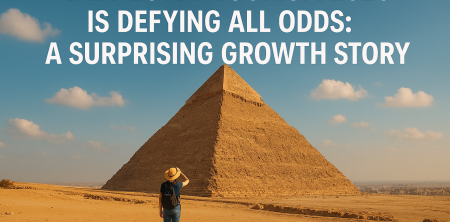
- Giza Plateau: Home to the Great Pyramids and the Sphinx, this UNESCO World Heritage site remains a top draw for travelers intrigued by ancient history.
- The Nile River: Recognized as the lifeblood of Egypt, river cruises are a popular way for tourists to see the country’s stunning landscapes and historical sites from a unique vantage point.
- Egyptian Museum: With its extensive collection of antiquities, including treasures from Tutankhamun, the museum continues to fascinate and educate visitors.
- Sharm El Sheikh: This resort town is celebrated for its beautiful beaches and excellent diving spots, appealing to both leisure and adventure travelers.
The Human Element: Stories of Travelers
Personal stories from travelers can also provide deeper insights into why Egypt is flourishing in tourism. Many share transformative experiences, whether it’s standing in awe before the pyramids or navigating the bustling markets of Cairo. These stories contribute to the overall narrative of Egypt as a destination that offers enriching experiences, rather than just a place to visit.
Travelers often speak of the warmth and hospitality of the local Egyptian people, which enhances their experience and encourages them to return. Such testimonials can make a significant difference in attracting new tourists.
Final Thoughts: What This Means for Global Tourism
The remarkable rise of Egypt tourism in 2026 amidst regional conflicts serves as a powerful reminder of the resilience of the tourism sector. It challenges the notion that instability must lead to decline, showcasing that with strategic planning and effective government policies, growth is indeed possible. As Egypt continues to thrive, it may inspire other nations to rethink their tourism strategies and focus on what they can offer to attract international visitors.
In a world where uncertainty often reigns, Egypt stands as a promising destination, inviting travelers from all walks of life to experience its rich history, culture, and breathtaking landscapes. As we look to the future, the ongoing success of Egypt tourism 2026 will undoubtedly serve as a fascinating case study for years to come.
Understanding the Tourist Demographics
As we explore the dynamics of Egypt tourism 2026, it’s essential to understand who the tourists are. Recent data reveals a diverse mix of travelers, with significant numbers from Europe, the United States, and Asia. In particular, the rise in visitors from Asian markets has been notable, with tourists from countries like China and India showing a growing interest in Egypt's cultural offerings.
European tourists, particularly those from Germany, the UK, and France, continue to represent a substantial portion of visitors. With affordable flight connections and packaged tours, these demographics are likely to remain strong. For example, flight data shows that direct flights from major European hubs to Cairo have increased by 25% in the past year, making it more convenient for travelers to visit.
Exploring the Impact of Sustainable Tourism
As mentioned earlier, Egypt has an opportunity to lead in sustainable tourism practices. Many travelers today prioritize sustainability, and there’s a growing demand for eco-friendly options. Egypt can capitalize on this trend by promoting eco-lodges, sustainable tours, and responsible wildlife experiences.
One such initiative is the "Green Pyramid Project," aimed at creating eco-friendly accommodations near major tourist sites, reducing the environmental impact while providing unique experiences. It’s not just about preserving nature; it’s also about showcasing the local culture responsibly, allowing travelers to engage authentically with communities while minimizing their footprint. (See: CDC Egypt Country Profile.)
Expert Perspectives on Egypt Tourism
Industry experts are optimistic about the future of Egypt tourism. Dr. Ahmed El-Masry, a tourism economist, emphasizes that “Egypt has the potential to double its tourism revenue in the next decade if it continues on this trajectory of innovation and strategic marketing.” He highlights the importance of adapting to changing consumer preferences, especially among younger travelers who prioritize experience over traditional sightseeing.
Furthermore, renowned travel journalist Sarah Johnson notes that “Egypt’s rich cultural tapestry is its strongest asset. The stories behind the ancient monuments and the local traditions can transform a simple visit into an unforgettable journey.” Her insights suggest that deeper cultural engagement will be crucial in attracting repeat visitors.
Frequently Asked Questions about Egypt Tourism 2026
What are the best times to visit Egypt?
The ideal time to visit Egypt is typically during the cooler months, from October to April, when temperatures are more manageable for sightseeing activities.
Is Egypt safe for tourists in 2026?
Yes, as of 2026, many travelers report feeling safe in Egypt. The government has implemented strict security measures in tourist areas to ensure visitor safety.
What unique experiences can tourists expect in Egypt?
Travelers can enjoy camel rides through the desert, diving in the Red Sea, exploring the Valley of the Kings, and experiencing local cuisine in bustling markets.
Are there any new attractions being developed in Egypt?
Yes, new attractions are under development, including the Grand Egyptian Museum, which aims to house a vast collection of artifacts, including those from Tutankhamun.
How has Egypt adapted its tourism strategy post-pandemic?
Egypt has focused on enhancing health and safety protocols, promoting outdoor experiences, and improving infrastructure to prepare for increased tourist numbers.
What role does cultural heritage play in attracting tourists to Egypt?
Cultural heritage is a cornerstone of Egypt's tourism appeal. The country’s ancient history, monuments, and traditions create a unique identity that draws visitors worldwide.
Spotlight on Emerging Tourism Trends
As we move through 2026, several emerging trends are shaping the landscape of Egypt's tourism industry. Understanding these trends is essential for stakeholders aiming to capitalize on the evolving preferences of travelers. (See: BBC News on Egypt's tourism growth.)
- Adventure Tourism: With its diverse terrain, Egypt is positioning itself as a destination for adventure seekers. Activities such as desert safaris, hot air balloon rides over Luxor, and hiking in the Sinai Mountains are attracting younger travelers looking for unique experiences.
- Culinary Tourism: Food has become a significant draw for many tourists. Egypt's rich culinary heritage, featuring dishes like koshari and falafel, is gaining attention. Culinary tours that include cooking classes and food markets are becoming popular, allowing tourists to immerse themselves in local gastronomy.
- Digital Nomadism: The rise of remote work has led to an increase in digital nomads seeking longer stays in destinations where they can work while enjoying leisure activities. Egypt's affordable cost of living and rich cultural offerings make it an attractive option for this demographic.
The Cultural Revival: Festivals and Events
Events and festivals play a vital role in enhancing Egypt's cultural landscape and attracting tourists. Celebrations like the Cairo International Film Festival and the Luxor African Film Festival highlight the country’s commitment to showcasing its rich artistic heritage. These events not only draw in visitors but also provide local artists and filmmakers with a platform to share their work.
Moreover, Egypt hosts various religious and cultural festivals, such as the Moulid al-Hussain festival in Cairo and the annual Abu Simbel Sun Festival. Such events create unique experiences that can engage tourists on a deeper level, allowing them to witness the vibrant traditions of Egyptian life firsthand.
Investment in Infrastructure and Technology
Infrastructure is at the heart of Egypt's tourism strategy. Recent investments are aimed at modernizing airports, improving public transport, and enhancing access to major tourist sites. For instance, the expansion of Cairo International Airport is set to accommodate an increased number of passengers, directly supporting the tourism surge.
Additionally, technology is being leveraged to improve the visitor experience. Interactive apps that guide tourists through historical sites, augmented reality experiences at museums, and smart ticketing systems are beginning to transform how visitors engage with Egypt's rich history. This tech-forward approach not only enhances the tourist experience but also positions Egypt as a modern and innovative destination.
Collaborations and Partnerships in the Tourism Sector
To further boost tourism, Egypt is engaging in collaborations with various stakeholders, including travel agencies, international tourism boards, and hospitality partners. These partnerships aim to create specialized packages that cater to specific interests, like eco-tourism, cultural exploration, and adventure travel.
One notable collaboration is with UNESCO, focusing on the preservation of cultural heritage sites while promoting awareness and education about Egypt’s history. Such initiatives not only help in conservation efforts but also attract tourists who are increasingly interested in sustainable travel practices.
Conclusion: Egypt's Tourism Journey in 2026 and Beyond
The landscape of Egypt tourism in 2026 reflects a dynamic interplay of factors, from government initiatives to global trends. With robust visitor numbers and a clear strategy for sustainable growth, Egypt is well-positioned to continue attracting tourists while showcasing its rich cultural heritage and natural beauty. As the world’s gaze turns toward this ancient civilization, the stories of Egypt’s resilience and growth will continue to inspire travelers for years to come.
```
Trending Now
Frequently Asked Questions
Why is Egypt's tourism booming in 2026?
Egypt's tourism is booming in 2026 due to a stable political climate, targeted marketing campaigns showcasing its rich heritage, unique cultural experiences, and improved accessibility. This has led to a remarkable 16% increase in international tourist arrivals, making Egypt the strongest-performing destination in the Middle East and North Africa.
How many tourists visited Egypt in the first quarter of 2026?
In the first quarter of 2026, Egypt welcomed 6.1 million international tourists. This significant increase reflects a continuing trend of growth, with a 20.5% rise in 2025 compared to the previous year, showcasing Egypt's resilience in the tourism sector amid regional challenges.
What factors contribute to Egypt's tourism success?
Key factors contributing to Egypt's tourism success include its stable political climate, extensive marketing efforts by the government, diverse and unique tourist experiences, and improved accessibility for travelers. These elements have collectively positioned Egypt as a preferred destination for tourists in 2026.
How does Egypt's tourism growth compare to the rest of the Middle East?
Egypt's tourism growth of 16% in early 2026 starkly contrasts with a 14% decline in tourism across the wider Middle Eastern region. This exceptional performance underscores Egypt's unique appeal and resilience in the face of ongoing regional conflicts affecting other destinations.
What unique experiences does Egypt offer to tourists?
Egypt offers a variety of unique experiences, including exploring ancient pyramids and temples, enjoying luxury cruises on the Nile, and immersing in its vibrant culture. These enriching activities attract tourists seeking both adventure and cultural experiences, contributing to the tourism boom in 2026.
Have you experienced this yourself? We'd love to hear your story in the comments.

