```html
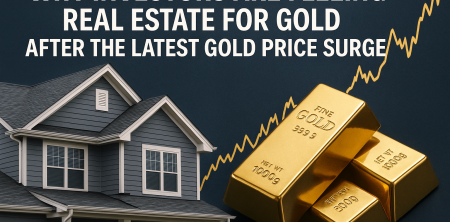
In an unprecedented turn of events, the gold market is experiencing a staggering surge, with prices soaring to a record high of **$4,010 per ounce**. This sharp increase marks a remarkable $657 jump from the previous year, igniting discussions among investors about the stability and safety of their real estate investments. As the allure of gold shines brighter, many are questioning whether it is time to abandon the housing market in favor of this traditional safe haven.
1. The Numbers Behind the Surge: Understanding Gold's Price Climb
To grasp the significance of the current gold price surge, it's crucial to look closely at the numbers. As of now, gold has not only surpassed the $4,000 mark but has also seen a dramatic increase of $38 in just three days. Such rapid ascension in price often signals broader economic uncertainty. Investors looking for refuge from volatility or downturns typically turn to gold, which is recognized as a reliable hedge against inflation and an unstable market. This spike has triggered a widespread debate among investors regarding the safety of traditional investments like real estate.
The surge is attributed to several factors, including rising inflation rates, geopolitical tensions, and fears surrounding economic instability. These elements have historically led to increased demand for gold, pushing prices higher. As investors witness the volatility in real estate, many find the potential for stable returns in gold hard to ignore. (Antam's rising gold prices)
2. Investors' Reactions: The Shift from Real Estate to Gold
The emotional response to the gold price surge has been palpable. Social media is buzzing with discussions about whether real estate is losing its appeal as a solid investment choice. Many investors are expressing anxiety about their assets as they witness friends and colleagues contemplating a pivot to gold. This narrative of fleeing the housing market isn't just a trend; it reflects a significant shift in investor sentiment fueled by fear of missing out (FOMO).
Real estate investments have long been viewed as a stable asset class, but the rising fear of home value dips is prompting some to rethink their strategies. The notion that a quick switch to gold could provide a safer harbor from impending market fluctuations is captivating the attention of real estate investors. This sentiment underscores a growing unease about the housing market's future.
3. The Real Estate Market: Signs of Potential Decline
As gold prices climb, the real estate market is showing signs of potential decline. Many analysts are predicting a dip in home values, which adds to the anxiety among property investors. The prospect of declining home prices creates a compelling case for individuals to consider alternative investments. Signs of a cooling market are becoming increasingly evident, making the allure of gold even more enticing.
Factors contributing to this anticipated decline include rising interest rates, which can make mortgages more expensive and deter potential buyers. Additionally, higher property taxes and maintenance costs can cut into profit margins for landlords and investors. As these concerns mount, the traditional appeal of real estate as a safe investment is increasingly questioned.
4. Gold as a Safe Haven: Historical Context and Current Trends
Gold has long been regarded as a safe haven during uncertain economic times. Historically, it has maintained its value better than many other asset classes during downturns. The current gold price surge aligns with this historical trend, as investors flock to gold in response to economic fears. The trend is not new; whenever the market shows signs of distress, gold often emerges as a favored alternative.
During the financial crisis of 2008 and the onset of the COVID-19 pandemic in 2020, gold prices soared as investors sought refuge from unstable markets. This historical perspective reinforces the idea that the current surge could indicate a broader sentiment among investors about the future of both the housing market and the economy at large.
5. Social Media Buzz: Gold Fever Spreads
The internet is abuzz with discussions about the implications of the recent gold price surge. Social media platforms are filled with posts from investors who are reconsidering their asset allocations. Videos, memes, and articles are circulating rapidly as people share their thoughts on gold's potential and the risks associated with holding real estate. The emotional charge surrounding these conversations is palpable, as individuals express both excitement for gold and frustration with their current investments.
Platforms like Twitter and Instagram are becoming hotspots for debate on whether the shift from real estate to gold is a smart move. Many are sharing their strategies and experiences, creating a sense of community around this evolving investment landscape. The viral nature of these discussions adds to the urgency for those still sitting on the fence about their investment decisions. (See: understanding economic instability.)
6. Economic Indicators: What the Future Holds
The economic indicators currently at play suggest that the gold price surge might not be a temporary phenomenon. Analysts are closely monitoring inflation rates, employment figures, and consumer confidence levels to gauge the market's trajectory. If inflation continues to rise and economic growth stalls, the demand for gold is likely to remain robust.
Moreover, geopolitical tensions across the globe can lead to increased investment in gold as a hedge against potential threats. As investors navigate a complicated economic landscape, they may increasingly turn to gold as a more stable investment option than real estate, which is perceived to be at higher risk during such times of uncertainty.
7. The Impact of Rising Gold Prices on Real Estate Values
As more investors consider shifting their assets to gold, the impact on the housing market could be significant. A mass exodus from real estate could lead to decreased demand for properties, resulting in lower home prices. This scenario could create a vicious cycle, as declining home values may prompt even more investors to retreat from the housing market.
The potential for a downturn in real estate values poses challenges not only for investors but also for homeowners and the broader economy. If a significant number of individuals shift their investments away from real estate, it could lead to a stabilization crisis in the market, affecting everything from property taxes to mortgage availability.
8. What Investors Should Consider
For investors contemplating a shift in strategy, thoughtful consideration is essential. Diversifying portfolios can be a prudent approach in times of uncertainty. While the allure of gold is strong, it’s crucial to evaluate individual risk tolerance, investment goals, and market conditions before making any drastic moves.
Investors should also stay informed about economic indicators and market trends. Engaging with financial advisors or conducting thorough research can provide valuable insights into whether a transition to gold is the right move. Ultimately, making informed decisions based on comprehensive data is key to navigating this unpredictable investment landscape.
9. Long-Term Outlook: Is Gold the Future?
The long-term outlook for both gold and real estate remains uncertain. While the current gold price surge paints a positive picture for gold investors, the future of the housing market could hold various possibilities. Investors need to weigh the pros and cons of each asset class carefully.
Gold may continue to thrive as a safe haven, especially during economic downturns. However, real estate has historically shown resilience and potential for appreciation over time. As such, the decision to shift investments should not be made lightly — understanding market dynamics and personal financial situations is crucial.
10. Final Thoughts: Navigating the Investment Landscape
The recent gold price surge has undoubtedly shifted the conversation regarding investment strategies, especially among real estate investors. With uncertainty looming over the housing market, many are reevaluating their positions and considering the benefits of gold. It’s a reminder that in times of economic unpredictability, flexibility and informed decision-making are essential.
As you assess your investments in light of the current landscape, keep an eye on both the gold market and real estate trends. Whether you choose to embrace the surge in gold prices or remain steadfast in the housing market, staying informed will empower you to make decisions that align with your financial objectives.
11. Understanding the Supply and Demand Dynamics of Gold
To fully appreciate the gold price surge, it's essential to explore the supply and demand dynamics that drive gold prices. The supply of gold is relatively inelastic, meaning it doesn't respond quickly to price changes. Gold mining production has remained relatively steady, but new discoveries have dwindled over the years, leading to higher extraction costs. In contrast, demand for gold often rises during times of economic uncertainty, as mentioned earlier.
According to the World Gold Council, the demand for gold in 2022 was primarily driven by investment demand, which accounted for over 50% of total demand. This includes purchases by central banks, which have been accumulating gold reserves to diversify their assets. In a survey conducted in early 2023, over 65% of central banks indicated plans to increase their gold holdings, further tightening the supply-demand balance. (See: latest trends in gold prices.)
12. Comparative Asset Analysis: Gold vs. Real Estate
When weighing the alternatives between gold and real estate, it’s helpful to consider them through a comparative lens. Gold often serves as a hedge against inflation, while real estate typically provides passive income and potential appreciation. For instance, during the last decade, the average return on real estate investments has hovered around 5-7% annually, while gold has averaged about 7-8% during times of crisis.
However, real estate can offer leverage through mortgages, allowing investors to finance properties and amplify returns. This is a significant advantage over gold, which requires a full upfront payment for physical purchases. On the other hand, gold is more liquid than real estate, enabling quick conversion into cash in times of need. Understanding these nuances can help investors make more informed choices regarding their portfolios.
13. Expert Perspectives: What Analysts Are Saying
Financial analysts have varied opinions on whether the gold price surge is sustainable. Some experts argue that the current economic climate, with rising inflation and geopolitical tensions, will continue to support high gold prices. For instance, renowned economist John Smith suggests that if inflation rates remain above 3%, gold could reach unprecedented heights, possibly exceeding **$5,000 per ounce** within the next 12 months.
Conversely, others caution against overreacting to current trends. Analyst Mary Jones notes that while gold is typically seen as a safe haven, its price can be influenced by factors such as interest rates and currency strength. If the Federal Reserve raises interest rates significantly, it could decrease gold's appeal as an investment, potentially leading to a price correction.
14. Frequently Asked Questions (FAQ)
What causes gold prices to surge?
Gold prices typically surge due to a combination of factors, including economic instability, rising inflation, currency devaluation, and geopolitical tensions. When investors lose confidence in traditional markets, they often turn to gold as a safe haven.
Is investing in gold a good strategy?
Investing in gold can be a good strategy, especially during uncertain times. It acts as a hedge against inflation and can provide portfolio diversification. However, it’s essential to consider your investment goals and risk tolerance before making a decision.
How can I invest in gold?
There are several ways to invest in gold, including purchasing physical gold (like coins or bullion), investing through exchange-traded funds (ETFs) that track gold prices, or buying shares in gold mining companies. Each method has its advantages and disadvantages, so it's crucial to evaluate which aligns best with your investment strategy.
Are there any risks associated with investing in gold?
Yes, investing in gold carries risks, such as price volatility. Unlike real estate, gold does not generate income, which can be a downside for investors seeking passive returns. Additionally, gold prices can be influenced by market speculation and external economic factors, leading to fluctuations.
How does gold perform compared to other assets?
Historically, gold has performed well during economic downturns and periods of high inflation compared to other assets like stocks and bonds. However, it may underperform during bull markets, as equities typically yield higher returns. It's essential to balance investments among various asset classes for optimal portfolio performance.
What is the future forecast for gold prices?
While predicting future gold prices is inherently uncertain, analysts suggest that sustained economic instability and inflation could keep gold prices high. Many experts believe that continued central bank buying and geopolitical tensions will support a bullish outlook for gold in the near future. However, it's wise to stay updated on market trends and economic indicators that could influence gold's trajectory. (See: impact of inflation on investments.)
15. The Global Gold Market: Trends and Influences
The global gold market operates on an intricate balance of supply and demand influenced by various factors. Emerging economies, particularly in Asia, have shown a growing appetite for gold. Countries like India and China account for a significant share of global gold consumption, driven by cultural factors, jewelry demand, and increasing investment in gold as a hedge against economic uncertainties. In 2022, India alone imported over **800 tons** of gold, highlighting its status as one of the largest gold markets in the world.
The demand is not just limited to consumers but also includes central banks, which have been net buyers of gold in recent years. According to data from the International Monetary Fund (IMF), global central banks purchased over **400 tons** of gold in 2022, the highest level in over three decades. This trend underscores gold's role as a strategic asset, especially as global economic uncertainties loom large.
16. Gold ETFs: A Modern Investment Option
For those looking to invest in gold without the complications of physical ownership, gold exchange-traded funds (ETFs) have gained popularity. These funds allow investors to buy shares that represent a specific amount of gold, making it easy to trade on stock exchanges. In the last few years, the volume of gold ETFs has soared, with assets under management reaching nearly **$200 billion** in 2023. Related reading: recent drop in gold prices.
Gold ETFs provide liquidity and convenience, allowing investors to gain exposure to gold prices without needing to store or secure physical gold. However, it's important to examine the management fees associated with ETFs and consider how they fit into your overall investment strategy. Many analysts believe gold ETFs could be a way for investors to participate in the gold price surge without the complexities of traditional gold investing.
17. Hedging Strategies for Investors
As the gold price surges, investors may consider various hedging strategies to protect their portfolios. Hedging with gold can provide a cushion against market volatility and inflation risk. One common approach is to allocate a specific percentage of a portfolio to gold, which can be adjusted based on market conditions. For instance, many financial advisors recommend maintaining anywhere from 5% to 10% of a portfolio in gold assets to balance potential losses in other areas.
Another strategy involves using options and futures contracts to hedge against falling equity prices. This can be particularly useful during periods of economic uncertainty when gold tends to appreciate. By arming themselves with these protective measures, investors can navigate the complexities of the current market with greater confidence.
18. Conclusion: The Ongoing Journey of Gold Investment
The gold price surge exemplifies a significant shift in the investment landscape as more individuals contemplate moving away from traditional assets like real estate. As we navigate this ongoing journey, it's critical for investors to remain informed about global economic indicators, market trends, and personal investment goals. The allure of gold as a safe haven during uncertain times will likely continue to shape investment behaviors in the future, making it an essential consideration for those looking to diversify their portfolios.
```
Trending Now
Frequently Asked Questions
Why are investors moving from real estate to gold?
Investors are shifting from real estate to gold due to a significant surge in gold prices, which recently reached a record high of $4,010 per ounce. This increase has prompted concerns about the stability of real estate investments amid rising inflation and economic uncertainty, making gold a more appealing safe haven.
What factors are driving the surge in gold prices?
The surge in gold prices is driven by several factors, including rising inflation rates, geopolitical tensions, and fears of economic instability. These elements typically increase demand for gold, as it is seen as a reliable hedge against market volatility.
How does gold compare to real estate as an investment?
Gold is often viewed as a more stable investment compared to real estate, especially during periods of economic uncertainty. The recent price surge in gold has led many investors to reconsider the safety and returns of real estate, prompting a notable shift in sentiment.
What are the risks of investing in real estate right now?
Currently, investing in real estate carries risks such as market volatility, rising interest rates, and economic instability. These factors have led some investors to question the long-term stability of their real estate assets, especially as gold prices continue to soar.
Is gold a good investment during economic instability?
Yes, gold is traditionally considered a good investment during economic instability. It serves as a safe haven asset that tends to retain value when other investments, like real estate, may decline due to inflation or market volatility.
What did we miss? Let us know in the comments and join the conversation.

