```html
If you've been following the saga of the Tampa Bay Rays and their seemingly endless quest for a new home, you know it's less a baseball story and more a masterclass in urban planning, political wrangling, and high-stakes finance. Just when it felt like the stars might finally be aligning, with MLB owners giving their blessing to a new ownership group led by Jacksonville developer Patrick Zalupski, the Tampa City Council decided to throw a curveball. And it's a big one, threatening to delay or even completely derail the multi-billion dollar Tampa Rays stadium project.
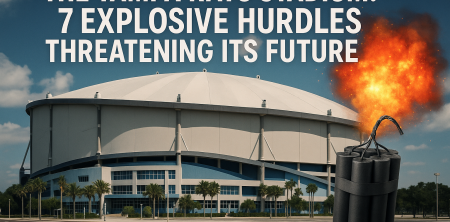
This isn't just about a ballpark; it's about the soul of a city, immense financial stakes, and the very real impact on everything from local pride to property values. The proposed Tampa Rays stadium isn't just a building; it's a catalyst for massive urban development, and everyone wants a piece of the action – or at least a say in how it unfolds. But as the City Council voices significant concerns, the path forward for the Tampa Rays stadium looks rockier than ever. Let's dig into the seven major hurdles that are putting this ambitious project in serious jeopardy.
1. The Exclusion Factor: City Council Feels Left Out
One of the loudest complaints echoing from the Tampa City Council chambers is a simple, yet potent, one: they feel excluded. Imagine you're a key stakeholder in a multi-billion dollar project that's going to reshape your city, and you're getting information secondhand, or worse, not at all. That's exactly the sentiment many council members are expressing. They believe the city administration and the new Rays ownership group have been negotiating behind closed doors, leaving elected officials, who ultimately have to approve significant aspects of the deal, out of the loop.
This isn't just about hurt feelings; it's about due process and public trust. Council members represent the citizens of Tampa, and they argue they can't effectively do their job – which includes scrutinizing public expenditures and ensuring community benefits – if they're not privy to the foundational discussions. This lack of transparency, or perceived lack thereof, breeds distrust and inevitably leads to delays as the council demands more information and seeks to assert its authority. It's a classic power struggle, and in the context of a project as massive as a new Tampa Rays stadium, it can become a significant roadblock.
To put it in perspective, major urban development projects often involve complex public-private partnerships. When the public side, specifically elected representatives, feels marginalized, it erodes the very foundation of such partnerships. For example, similar stadium projects in other cities, like the recent Buffalo Bills stadium deal, faced scrutiny over public funding commitments and transparency. When stakeholders feel left out, they often resort to slowing down processes, demanding more hearings, or even outright rejecting proposals until their concerns are addressed. This isn't just a local issue; it's a common thread in large-scale municipal projects across the country where the public's money is involved. The Tampa City Council's stance here reflects a broader trend of increased demand for governmental transparency and accountability, especially concerning significant public investments in private ventures.
2. Public vs. Private Interests: A Balancing Act Gone Awry
Every major stadium deal is a delicate dance between public and private interests. Developers and team owners want to maximize their returns, often seeking significant public subsidies or land deals. The public, represented by the city council, wants to ensure that any public investment yields tangible benefits for the community, not just a shiny new venue for millionaires. The current friction around the Tampa Rays stadium project highlights just how difficult this balancing act can be.
Council members are understandably concerned about how much public money might be committed to the project and what the city will get in return. Will it create good-paying jobs? Will it genuinely spur surrounding economic development that benefits local businesses and residents? Or will it primarily enrich a few powerful individuals and corporations? These are legitimate questions, and when the lines between public good and private profit become blurred, or when the perception is that private interests are outweighing public ones, the council is compelled to push back. This is where the rubber meets the road for any major urban development project, and the Tampa Rays stadium is no exception.
Consider the economic impact studies typically presented in these scenarios. Often, these studies project significant job creation and revenue generation. However, independent analyses sometimes paint a different picture, suggesting that the net economic benefit to a city from a new stadium is often overstated. For instance, a study by the Brookings Institution highlighted that new sports facilities rarely generate significant local economic growth and often lead to public financial losses. The council's job is to scrutinize these projections and ensure that the city isn't just subsidizing a private enterprise without a clear, verifiable return. They're looking for concrete commitments: perhaps a percentage of stadium revenue directed back to the city, or guarantees for local hiring and procurement. Without these, the project risks becoming a drain on public resources rather than a boon.
3. The Billion-Dollar Price Tag: Who Pays What?
Let's talk money. A new MLB stadium isn't cheap. We're talking a multi-billion dollar endeavor when you factor in the ballpark itself and the surrounding mixed-use development that typically accompanies such projects. The big question, of course, is: who's footing the bill? While the new ownership group is expected to contribute a significant portion, cities are almost always asked to chip in, whether through direct funding, infrastructure improvements, tax breaks, or land grants.
This is where the public's eyes glaze over, but the council's sharpen. They need to justify every dollar of public expenditure to their constituents. In a city with other pressing needs – schools, roads, affordable housing – allocating hundreds of millions or even billions to a professional sports stadium is a tough sell without an ironclad case for a substantial public return on investment. The specifics of the financial package for the Tampa Rays stadium are undoubtedly a major point of contention, and until a satisfactory funding model is presented and debated transparently, this hurdle will remain firmly in place.
To illustrate the scale, recent MLB stadium projects, like the Texas Rangers' Globe Life Field, cost over $1 billion, with significant public contributions. In that case, Arlington voters approved a half-cent sales tax to help fund the stadium. The Atlanta Braves' Truist Park also involved a substantial public contribution from Cobb County. Tampa's situation is complicated by existing infrastructure needs and a desire to avoid burdening taxpayers. The council will be looking at creative funding mechanisms beyond direct cash infusions, such as tax increment financing (TIF) districts, which use future property tax revenues generated by the new development to pay for infrastructure costs. They'll also scrutinize any proposed property tax abatements or sales tax exemptions that could reduce the city's future revenue. The public needs to understand not just the sticker price, but the opportunity cost – what other vital city projects might be delayed or forgone to fund the Tampa Rays stadium. (See: Tampa Bay Rays stadium project news.)
4. Location, Location, Location: The Site Selection Debate
While the recent news focuses on the city council's process concerns, let's not forget the long-standing debate over where the Tampa Rays stadium would actually be built. The Rays have explored numerous sites over the years, from downtown St. Petersburg to various locations in Tampa. Each potential site comes with its own set of challenges: land acquisition costs, infrastructure needs, traffic implications, and community impact.
Even with the new ownership, the 'where' remains a critical, and often contentious, piece of the puzzle. Different sites appeal to different stakeholders. A downtown Tampa location might offer excellent transit access and integration into existing urban fabric, but could face higher land costs and density challenges. A suburban site might be easier to build on but could require massive new infrastructure and might struggle to attract the kind of surrounding development that makes these projects truly transformative. Until there's broad consensus on a specific, viable site that addresses these concerns, the Tampa Rays stadium remains a conceptual dream, not a concrete plan.
Historically, the Rays have eyed various spots in Tampa, including the area near Ybor City, which offers a vibrant cultural backdrop and could integrate well with existing entertainment districts. However, Ybor presents its own set of challenges, including historical preservation concerns, limited space, and significant traffic congestion already present in the area. Another potential site could be near the Westshore business district, offering accessibility from different parts of the region but perhaps lacking the urban core feel many envision for a modern stadium district. The chosen location will dictate everything from parking solutions and public transit investments to the types of businesses attracted to the surrounding area. It's not just about finding an empty plot of land; it's about finding a site that can become a true destination, capable of supporting the projected economic activity and integrating seamlessly into Tampa's existing urban fabric without overwhelming it.
5. The Shadow of St. Petersburg: Tropicana Field's Legacy
You can't talk about a new Tampa Rays stadium without acknowledging the elephant in the room: Tropicana Field in St. Petersburg. The team currently plays there, and while the lease expires in 2027, the city of St. Pete has its own plans for the ‘Gas Plant’ district surrounding the Trop. They're looking for a massive redevelopment project, potentially with or without the Rays. This creates a complex dynamic.
Any move to Tampa would, understandably, be met with resistance and perhaps even legal challenges from St. Petersburg if not handled carefully. The history between the team and St. Pete is long and, at times, acrimonious. The financial implications of breaking ties, or the potential for St. Pete to offer a competitive, compelling package to keep the team, always loom large. While the focus has shifted to Tampa, the historical context and ongoing negotiations with St. Petersburg are an undeniable, intricate hurdle that must be navigated for any new Tampa Rays stadium to truly materialize.
St. Petersburg is actively pursuing its own redevelopment plans for the 86-acre Tropicana Field site, known as the Gas Plant District. This ambitious project aims to create a vibrant mixed-use community with affordable housing, office space, retail, and green areas. The city has already engaged in extensive public input sessions and has a clear vision for the site's future. The challenge is that the Rays are still under lease there until 2027. If the team were to solidify plans for a Tampa Rays stadium, St. Pete would need to find a way to accelerate its redevelopment or adjust its timelines, potentially losing out on significant economic opportunities. There's also the question of potential penalties or buyout clauses if the Rays were to leave early. The political leaders in St. Petersburg are not simply going to roll over; they have their own constituents and economic interests to protect, making any transition a delicate, multi-faceted negotiation that extends beyond just the Tampa City Council.
6. Community Benefits and Equity: More Than Just Ballgames
Modern stadium deals are increasingly scrutinized not just for their economic impact, but for their social impact. What community benefits will flow from the Tampa Rays stadium project? Will local residents get access to jobs, affordable housing, or new public spaces? Are there provisions for local businesses, especially minority- and women-owned enterprises, to participate in the construction and ongoing operations?
The City Council, facing pressure from community groups and advocates, is likely to demand robust community benefits agreements. This isn't just about checking a box; it's about ensuring that a multi-billion dollar development doesn't lead to gentrification, displacement, or simply benefit a select few. Crafting these agreements is complex, often involves lengthy negotiations, and can significantly add to the project's overall cost and timeline. If the proposed deal doesn't adequately address issues of equity and community impact, it will undoubtedly face fierce opposition.
A strong Community Benefits Agreement (CBA) can be a game-changer for public acceptance. For example, when the Sacramento Kings built their new arena, a CBA was negotiated that included local hiring targets, living wage requirements, and investments in youth programs. These agreements help ensure that the development benefits a broader segment of the population, not just those directly involved in the stadium. For the Tampa Rays stadium, the council might push for a certain percentage of affordable housing units in any surrounding mixed-use development, dedicated funds for neighborhood improvements, or job training programs specifically for residents in underserved areas. Without these commitments, the project risks exacerbating existing inequalities, potentially pricing out long-time residents and small businesses, which would generate significant community backlash and stall progress.
7. Political Will and Timelines: The Clock is Ticking
Finally, there's the ever-present challenge of political will and the relentless march of time. Building a major league stadium and the surrounding infrastructure is a multi-year undertaking, even under ideal circumstances. With the Rays' lease at Tropicana Field expiring in 2027, the window for breaking ground and completing a new Tampa Rays stadium is closing fast. Delays caused by council disputes, renegotiations, or public outcry only eat away at that already tight schedule.
Moreover, local politics are always in flux. Council members come and go, mayoral administrations change, and public sentiment can shift rapidly. A deal that looks promising today could be derailed by new leadership or unforeseen political pressures tomorrow. Sustaining the political will to push through a complex, often controversial, and incredibly expensive project like a new Tampa Rays stadium requires consistent leadership, clear communication, and a unified vision – all of which seem to be in short supply right now. The clock is ticking, and every hurdle adds precious months, if not years, to a timeline that's already stretched thin.
Consider the typical timeline for a project of this magnitude. After a site is selected and a funding agreement is reached, design and permitting can take 1-2 years. Construction itself usually spans 3-4 years. This means to be ready for the 2028 season (the first after the current lease expires), groundbreaking would need to happen in late 2023 or early 2024 at the absolute latest. We're well past that point. Every day of delay pushes the completion date further out, increasing the likelihood of the Rays needing a temporary home or, in a worst-case scenario, exploring options outside the Tampa Bay area altogether. The political cycle also plays a role; if major decisions are pushed too close to an election, they can become political footballs, making consensus even harder to achieve. The urgency is real, and the ability of city leaders and the Rays ownership to act decisively and collaboratively is paramount. (See: Impact of sports facilities on cities.)
8. The "Split Season" Precedent: A Lingering Doubt?
While the focus is now squarely on a single Tampa Rays stadium, it's worth remembering a controversial proposal from a few years ago: the "split season" plan. This idea, which would have seen the Rays play half their home games in Montreal and half in either St. Petersburg or a new Tampa location, caused significant uproar. Though ultimately rejected by MLB, the fact that it was seriously considered highlights the team's long-standing challenges in securing a permanent, financially viable home.
Why does this matter now? Because it created a perception, for some, that the Rays ownership might be willing to explore alternatives outside the immediate region if local negotiations falter too severely. While the current ownership group under Patrick Zalupski has expressed a strong commitment to keeping the team in Tampa Bay, the shadow of the split-season proposal can still influence negotiations. It might lead the city council to be more cautious, fearing that too many concessions could set a precedent, or conversely, it might add a subtle pressure, reminding all parties of the potential for the team to look elsewhere if an agreement isn't reached. It's a psychological factor, a ghost in the negotiating room, that adds another layer of complexity to the Tampa Rays stadium discussions.
9. Regional Cooperation: The Bigger Picture
A new Tampa Rays stadium isn't just a Tampa project; it's a regional one. The Tampa Bay area is comprised of multiple municipalities, and the success of a major league sports franchise often relies on support from across the region. This includes fans traveling from surrounding counties, businesses engaging in partnerships, and potentially even financial contributions from neighboring jurisdictions for regional infrastructure improvements.
The current friction with the Tampa City Council could also impact broader regional cooperation. If the deal appears to heavily favor one city at the expense of another, or if the process lacks transparency, it can strain relationships between local governments. For instance, if Hillsborough County is asked to contribute significantly, their county commissioners will also demand transparency and clear benefits for their constituents. A truly successful Tampa Rays stadium project needs buy-in and perceived fairness across the entire Tampa Bay metropolitan area. Achieving this requires open communication and a clear demonstration of benefits that extend beyond the immediate footprint of the stadium, ensuring that all parts of the region feel a sense of ownership and pride in the team's future home.
What Happens Next for the Tampa Rays Stadium?
So, where does this leave us? The approval of the new ownership group was certainly a positive step, signaling a commitment from MLB to keep the team in the Tampa Bay area. However, it's clear that the path to a new Tampa Rays stadium is far from smooth. The Tampa City Council's vocal concerns are a significant roadblock, and they demand resolution before any concrete plans can move forward.
You'll likely see a period of intense negotiation, public hearings, and perhaps even some political maneuvering. The city administration will need to bridge the communication gap with the council, providing the transparency and detailed information they're demanding. The new ownership group, led by Patrick Zalupski, will face its first major test in navigating the complex political landscape of Tampa.
Ultimately, the success of the Tampa Rays stadium project hinges on collaboration. Can all parties – the team, the city administration, the city council, and the community – come together to forge a deal that is financially viable, politically palatable, and genuinely beneficial for the Tampa Bay region? Or will these hurdles prove too high, leaving the Rays once again in limbo, and the dream of a state-of-the-art Tampa Rays stadium a distant mirage?
It’s a fascinating, high-stakes drama playing out in real-time, and one that has implications far beyond just baseball. Keep your eyes peeled; this story is far from over, and the next pitch could be a wild one.
Frequently Asked Questions About the Tampa Rays Stadium Project
Q1: What is the current status of the Tampa Rays stadium project?
The project is currently facing significant hurdles due to concerns raised by the Tampa City Council. While MLB owners have approved a new ownership group committed to keeping the team in the Tampa Bay area, the City Council feels excluded from negotiations and has voiced concerns about transparency, public financing, and community benefits. This means plans are stalled as stakeholders work to address these issues.
Q2: Why does the City Council feel excluded from the stadium negotiations?
Council members have stated they believe the city administration and the Rays' new ownership group have been negotiating behind closed doors. They're not receiving information firsthand and feel they can't properly represent their constituents or scrutinize the deal's details without being involved in the foundational discussions. This perceived lack of transparency is a major point of contention. (See: Urban development and sports facilities.)
Q3: How much public money is being discussed for the Tampa Rays stadium?
While exact figures for public contribution are a major part of the ongoing negotiations, new MLB stadiums typically cost upwards of $1 billion. Cities are often asked to contribute hundreds of millions or more through direct funding, infrastructure improvements, tax breaks, or land grants. The Tampa City Council is focused on minimizing public expenditure and ensuring a clear return on any investment.
Q4: What are the main concerns regarding the public vs. private interests?
The primary concern is ensuring that any public investment in the Tampa Rays stadium project yields tangible benefits for the wider community, not just the private interests of the team owners and developers. Council members want assurances of job creation, local economic development, and community programs, rather than just subsidizing a private enterprise. They're scrutinizing the balance between public good and private profit.
Q5: Where is the proposed Tampa Rays stadium expected to be built?
A specific site for the Tampa Rays stadium has not been finalized, and site selection remains a critical point of debate. The Rays have explored various locations in both Tampa and St. Petersburg over the years, including downtown Tampa areas like Ybor City, and potentially sites in the Westshore business district. Each location has unique challenges related to land costs, infrastructure, traffic, and community impact.
Q6: How does St. Petersburg's Tropicana Field factor into the new stadium plans?
The Rays currently play at Tropicana Field in St. Petersburg, with their lease expiring in 2027. St. Petersburg has its own ambitious redevelopment plans for the 'Gas Plant' district surrounding the Trop, with or without the Rays. Any move to Tampa would require careful navigation of the existing lease, potential buyout clauses, and St. Pete's own economic development goals, which creates a complex negotiation dynamic.
Q7: What are Community Benefits Agreements (CBAs) and why are they important?
Community Benefits Agreements are contracts negotiated between developers and community groups that outline specific benefits for local residents from a major development project. For the Tampa Rays stadium, these could include commitments for local hiring, living wages, affordable housing, support for minority- and women-owned businesses, and investments in public spaces or programs. CBAs are crucial for ensuring that large developments genuinely benefit the broader community and address issues of equity.
Q8: What is the timeline for building a new Tampa Rays stadium?
Building a major league stadium typically takes 3-4 years for construction alone, preceded by 1-2 years for design and permitting. With the Rays' lease expiring in 2027, the window for breaking ground and completing a new Tampa Rays stadium is extremely tight. Delays caused by political disputes and negotiations further compress this timeline, making the urgency for resolution very real.
Q9: What was the "split season" proposal, and why is it relevant now?
A few years ago, the Rays proposed a controversial plan to play half their home games in Montreal. This "split season" idea was ultimately rejected by MLB but highlighted the team's ongoing search for a viable home. While the current ownership is committed to Tampa Bay, the memory of this proposal can still influence negotiations, subtly reminding stakeholders of the team's past willingness to explore options outside the immediate region if local efforts fail.
Q10: Who is Patrick Zalupski, and what is his role?
Patrick Zalupski is a Jacksonville developer who leads the new ownership group for the Tampa Bay Rays. His group received approval from MLB owners, signaling a commitment to keeping the team in the Tampa Bay area. He now faces the significant challenge of navigating the complex political and financial landscape to secure a new Tampa Rays stadium.
```
Trending Now
Frequently Asked Questions
What are the major hurdles facing the Tampa Rays stadium project?
The Tampa Rays stadium project faces several significant hurdles, including concerns from the City Council about being excluded from negotiations, financial uncertainties, potential community opposition, and the need for public trust in the planning process. These challenges threaten to delay or derail the ambitious plans for the new stadium.
Why does the Tampa City Council feel excluded from the stadium negotiations?
The Tampa City Council feels excluded because they believe the city administration and the new ownership group have been conducting negotiations behind closed doors. This lack of communication has led to frustrations among council members who feel they are not adequately informed about decisions that impact their constituents.
How could the Tampa Rays stadium impact local property values?
The proposed Tampa Rays stadium is seen as a catalyst for urban development, which could significantly boost local property values. However, if the project faces delays or opposition, it may hinder potential economic benefits, affecting not only property values but also local pride and community engagement.
What role does public trust play in the Tampa Rays stadium project?
Public trust is crucial in the Tampa Rays stadium project as it involves substantial financial investments and urban development. The City Council's concerns about exclusion from negotiations raise issues of transparency and accountability, which are essential for gaining community support and ensuring the project's success.
What are the financial stakes involved in the Tampa Rays stadium project?
The financial stakes in the Tampa Rays stadium project are immense, with potential costs reaching into the billions. The project's success is not only vital for the Rays but also for the city's economic development, including job creation and increased tax revenues, making the negotiations and planning process critically important.
What's your take on this? Share your thoughts in the comments below — we read every one.

