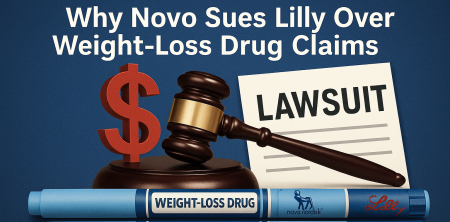
The world of weight-loss medication has exploded in recent years, captivating millions with the promise of effective solutions. But beneath the surface of medical breakthroughs and patient hope, a fierce rivalry is playing out between pharmaceutical titans Novo Nordisk and Eli Lilly. This isn't just about market share; it's about accusations of misleading the public, and it’s all coming to a head because Novo sues Lilly, claiming false advertising in a high-stakes legal battle.
On July 21, 2026, Novo Nordisk filed a lawsuit in a U.S. federal court in New Jersey, alleging that Eli Lilly has been violating federal and state false advertising laws. The core of the dispute? Novo claims Lilly is making comparisons between their respective GLP-1 weight-loss drugs – Novo's Wegovy and Ozempic, and Lilly's Zepbound and Mounjaro – in a way that’s fundamentally unfair and deceptive. Specifically, Novo alleges Lilly is comparing the highest approved doses of its own medications with lower, outdated doses of Novo's drugs. This kind of competitive maneuvering isn't new in the pharmaceutical industry, but the sheer scale of the obesity drug market, projected to exceed a staggering $100 billion by 2030, amplifies every move and every misstep.
1. The Heart of the Matter: Why Novo Sues Lilly
At its core, Novo Nordisk's lawsuit against Eli Lilly centers on allegations of deceptive advertising practices. Imagine you're comparing two cars, but one manufacturer is touting the fuel efficiency of their latest model against an older, less efficient version of their competitor's car. That's essentially the analogy Novo Nordisk is drawing in its legal complaint. They assert that Lilly is comparing the highest, most effective doses of Zepbound and Mounjaro – which are known to yield significant weight loss results – against lower, often older, doses of Novo's Wegovy and Ozempic. This isn't just a minor marketing quibble; it directly impacts how consumers and healthcare providers perceive the efficacy and value of these incredibly expensive medications.
The pharmaceutical industry is heavily regulated, especially when it comes to claims about drug efficacy. Companies spend billions on research and development, and then more billions on marketing and educating the public and medical professionals. When one company feels another is gaining an unfair advantage through misleading comparisons, it often escalates to legal action. This particular case is a prime example of such a scenario, where the financial stakes are enormous, and the potential impact on public perception of these life-changing drugs is equally significant.
2. The GLP-1 Revolution: Wegovy, Ozempic, Zepbound, and Mounjaro
To understand why Novo sues Lilly, we first need to grasp the significance of the drugs at the center of this controversy. GLP-1 receptor agonists, or glucagon-like peptide-1 agonists, have truly revolutionized the treatment of type 2 diabetes and, more recently, obesity. Originally developed for diabetes management, drugs like Novo Nordisk's Ozempic (semaglutide) demonstrated a powerful side effect: significant weight loss. This led to the development and approval of Wegovy, which is essentially a higher dose of semaglutide specifically indicated for chronic weight management.
Eli Lilly entered the fray with Mounjaro (tirzepatide), a drug that acts on not one but two incretin hormones – GLP-1 and GIP (glucose-dependent insulinotropic polypeptide). This dual action was shown to offer even greater reductions in blood sugar and body weight for diabetes patients. Following Mounjaro's success, Lilly secured approval for Zepbound, their version of tirzepatide specifically for weight loss. These drugs work by mimicking natural hormones that help regulate appetite, slow gastric emptying, and improve insulin sensitivity, leading to reduced calorie intake and sustained weight loss. Their efficacy has made them incredibly popular, but also incredibly expensive.
3. The $100 Billion Market: Why Competition is So Fierce
The projected growth of the obesity drug market to over $100 billion by 2030 isn't just a number; it's a testament to a massive unmet medical need and a huge commercial opportunity. For decades, effective weight-loss solutions beyond diet and exercise were scarce and often involved invasive surgery. The advent of GLP-1 drugs has changed that narrative entirely, offering a pharmacological option that can help many achieve clinically meaningful weight loss.
When you're talking about a market with that kind of potential, every percentage point of market share is worth billions. This intense competition naturally leads to aggressive marketing strategies. Companies are not just trying to convince doctors and patients that their drug works, but that it works better than the competition. This is where the line between robust competitive claims and misleading advertising can become blurry, and it’s precisely why Novo sues Lilly – to protect its market position and ensure fair play in this lucrative arena.
4. Allegations of Misleading Comparisons: The Specifics
Novo Nordisk's lawsuit isn't vague; it points to specific alleged instances of false advertising. The core complaint, as mentioned, revolves around dose comparisons. Imagine a scenario where Lilly is highlighting data showing Zepbound leading to, say, a 20% average weight loss, but comparing that to studies of Wegovy at a lower dose that might only show a 15% average weight loss. If the highest approved dose of Wegovy actually achieves closer to 18-20% weight loss, then Lilly's comparison would be misleading.
These kinds of comparisons, if proven true, could significantly sway prescribing patterns. Healthcare providers, already swamped with information, rely on clear, accurate data to make decisions. If marketing materials distort the true comparative efficacy, it could lead to suboptimal patient care decisions and an unfair advantage for the company making the misleading claims. It's a serious accusation, and the outcome of this legal battle could set precedents for how these powerful medications are marketed in the future. (See: CDC on obesity and weight-loss medications.)
5. The Role of the FDA and Advertising Regulations
Pharmaceutical advertising in the U.S. is heavily regulated by both the Food and Drug Administration (FDA) and the Federal Trade Commission (FTC). The FDA focuses on ensuring that drug claims are truthful, not misleading, and supported by substantial evidence. This includes ensuring that advertised indications and efficacy claims align with approved labeling. The FTC, on the other hand, generally polices broader truth-in-advertising standards across various industries.
When Novo sues Lilly for false advertising, they are essentially asking the federal court to intervene and enforce these existing regulations. Companies are allowed to promote their products, but they must do so accurately. Making comparisons between drugs is common, but those comparisons must be scientifically sound and not cherry-pick data or doses to create a favorable, yet inaccurate, impression. This legal action underscores the continuous tension between aggressive marketing tactics and the need for regulatory compliance in an industry that directly impacts public health.
6. Public Interest and the Viral Nature of the Dispute
This lawsuit isn't just fodder for legal journals; it's capturing significant public attention, and for good reason. Millions of people are either currently using GLP-1 drugs for weight loss or diabetes, considering them, or struggling with access. The high public interest stems from several factors: the undeniable effectiveness of these medications, their exorbitant cost, and the ongoing controversy surrounding pharmaceutical marketing and insurance coverage.
When two pharmaceutical titans like Novo Nordisk and Eli Lilly clash publicly, especially over something as personal as weight loss and health, it inevitably goes viral. People want to know if they're being misled, if the drug they're taking is truly the best option, and if they're paying a fair price. This legal battle taps into a broader societal conversation about corporate ethics, healthcare access, and the quest for effective health solutions, making it a topic that resonates far beyond the courtroom.
7. The Medicare GLP-1 Bridge Program: A Parallel Development
Adding another layer of complexity and public interest to this unfolding drama is the simultaneous launch of the new Medicare GLP-1 Bridge Program in July 2026. Historically, Medicare Part D, which covers prescription drugs, has excluded weight-loss medications. This has been a significant barrier for many seniors and individuals with disabilities who could benefit from these drugs but face prohibitive out-of-pocket costs.
The new Bridge Program aims to address these long-standing coverage limitations, offering eligible beneficiaries access to certain weight-loss medications outside of the traditional Part D benefit. This is a monumental shift, reflecting a growing recognition of obesity as a serious chronic disease requiring medical intervention. While separate from the Novo sues Lilly lawsuit, this program highlights the increasing importance of GLP-1 drugs in public health policy and the ongoing efforts to improve access, even as pharmaceutical companies battle it out in court.
8. Cost Analysis and Insurance Coverage: Why It Matters to Consumers
Beyond efficacy, the cost of GLP-1 drugs is a massive concern for consumers. Medications like Wegovy and Zepbound can cost upwards of $1,000 to $1,500 per month without insurance. This astronomical price tag makes coverage a make-or-break issue for most people. The lawsuit between Novo Nordisk and Eli Lilly, while focused on advertising claims, indirectly impacts this cost-benefit analysis for consumers.
If one drug is perceived as significantly more effective due to misleading comparisons, patients and their doctors might push for that drug, even if a slightly less expensive, equally effective alternative exists. Understanding the true comparative efficacy becomes crucial when weighing the financial burden against the health benefits. As patients and providers navigate complex insurance plans and high deductibles, accurate information about drug performance is paramount. This legal skirmish, therefore, isn't just about corporate pride; it has very real implications for patients' wallets and their ability to access life-changing treatment.
9. Potential Outcomes and Precedents in the Pharmaceutical Industry
What could be the fallout if Novo sues Lilly successfully? A federal court finding in favor of Novo Nordisk could lead to several outcomes. Lilly might be ordered to cease its alleged misleading advertising practices, issue corrective statements, or even pay damages. Such a ruling would send a powerful message across the pharmaceutical industry, reinforcing the strictures against deceptive marketing, particularly in high-profile, high-value markets.
Conversely, if Lilly prevails, it could embolden companies to push the boundaries of competitive advertising, arguing that their comparisons are within legal bounds. Regardless of the specific outcome, the case highlights the critical importance of truth in advertising within the healthcare sector. It also underscores the aggressive tactics companies are willing to employ to gain an edge in a market where billions are at stake, and where innovation is met with intense competition. See also benefits of Ozempic.
10. The Scientific Nuances: GLP-1 vs. Dual Agonists
To fully appreciate the advertising dispute, it's worth delving a bit deeper into the pharmacology. Novo Nordisk's drugs, Wegovy and Ozempic, are primarily GLP-1 receptor agonists. They work by mimicking the natural incretin hormone GLP-1, which plays a role in glucose-dependent insulin secretion, slowing gastric emptying, and suppressing appetite. This mechanism has proven highly effective for both blood sugar control and weight loss.
Eli Lilly's Mounjaro and Zepbound, on the other hand, are dual GLP-1 and GIP receptor agonists. The addition of GIP agonism is where the scientific differentiation lies. GIP, or glucose-dependent insulinotropic polypeptide, is another incretin hormone that also influences glucose metabolism and satiety. By targeting both receptors, Lilly's drugs aim to achieve an even more potent effect on blood sugar regulation and weight reduction. Clinical trials have indeed shown that tirzepatide (Mounjaro/Zepbound) can lead to slightly higher average weight loss percentages compared to semaglutide (Wegovy/Ozempic) at their respective maximum doses. However, the crux of Novo's lawsuit is not about the inherent efficacy of Lilly's drug, but about how Lilly is presenting comparative data. If Lilly is comparing its dual-agonist at its full dose to Novo's GLP-1 agonist at a suboptimal dose, it creates an apples-to-oranges comparison that could unfairly favor Lilly's product in the eyes of prescribers and patients. (See: NIH research on weight-loss drugs.)
11. Expert Perspectives: What Healthcare Professionals Are Saying
This legal battle isn't just a corporate affair; it profoundly impacts how healthcare professionals (HCPs) view and prescribe these medications. Many endocrinologists and obesity specialists have expressed concerns about the intense marketing surrounding GLP-1 drugs. They often emphasize the importance of individualized patient care, considering factors beyond just average weight loss percentages, such as patient comorbidities, tolerability, side effects, and cost.
Some experts believe that aggressive, potentially misleading advertising can complicate shared decision-making between doctors and patients. When patients come in having seen commercials or social media posts, they might have preconceived notions about which drug is "best," based on potentially skewed information. This can put HCPs in a difficult position, requiring them to spend more time correcting misinformation and explaining the nuances of different treatment options. The medical community generally advocates for transparency and accuracy in drug promotion to ensure that clinical decisions are based on robust, unbiased scientific evidence, not marketing hype.
12. The Broader Impact on Pharmaceutical Innovation and Ethics
Beyond the immediate financial implications, the outcome of the "Novo sues Lilly" case could have significant repercussions for the broader pharmaceutical industry. It could either reinforce the need for stringent adherence to advertising regulations or, if Lilly prevails, potentially loosen the interpretation of what constitutes "fair" competitive advertising. This could influence future drug development and marketing strategies across the board.
There's also an ethical dimension. Pharmaceutical companies have a dual responsibility: to innovate and provide life-saving or life-improving medications, and to do so ethically and transparently. Accusations of false advertising touch upon the core of this ethical responsibility. Maintaining public trust is paramount, especially in an industry that directly impacts health. If consumers and healthcare providers begin to doubt the veracity of pharmaceutical advertising, it could erode confidence in new treatments and the companies that produce them, which ultimately harms patient care.
13. Historical Context: Past Pharmaceutical Advertising Battles
While the scale of the GLP-1 market is unprecedented, legal disputes over pharmaceutical advertising are not new. Historically, companies have faced off over everything from cholesterol-lowering drugs to pain relievers, each time scrutinizing claims of efficacy, safety, and comparative benefits. For example, similar lawsuits have arisen when companies made direct comparisons of their statins or blood pressure medications, challenging the methodology of head-to-head trials or the selective use of data.
These past cases often involved detailed examinations of clinical trial data, statistical methodologies, and the context in which claims were made. The courts typically look at whether a "reasonable consumer" or "reasonable healthcare professional" would be misled by the advertising. The Novo vs. Lilly case will undoubtedly follow a similar path, delving into the specifics of Lilly's promotional materials and weighing them against the approved labeling and clinical evidence for both companies' drugs. These historical precedents suggest that the burden of proof for false advertising is high, requiring clear evidence of deception and potential harm.
14. The Future Landscape: Oral GLP-1s and New Competitors
The GLP-1 market is still rapidly evolving. Currently, most of these medications are injectables, which can be a barrier for some patients. Novo Nordisk already has an oral form of semaglutide (Rybelsus) approved for type 2 diabetes, and an oral weight-loss version is in development. Eli Lilly and other companies are also heavily investing in oral formulations and next-generation compounds that might offer even greater efficacy or improved side-effect profiles.
This dynamic landscape means that the competitive pressures will only intensify. As more players enter the market and new formulations become available, the stakes in advertising and market positioning will grow even higher. The outcome of the Novo vs. Lilly lawsuit could therefore set a crucial precedent for how these new drugs are marketed and how companies navigate competitive claims in an increasingly crowded and lucrative space. It will be interesting to see if this legal action leads to a more cautious approach to advertising, or if companies continue to push the boundaries in their quest for market dominance.
Frequently Asked Questions (FAQ)
Q1: What exactly is Novo Nordisk accusing Eli Lilly of?
Novo Nordisk is accusing Eli Lilly of false advertising by allegedly comparing the highest approved doses of Lilly's weight-loss drugs (Zepbound and Mounjaro) to lower, often outdated, doses of Novo Nordisk's drugs (Wegovy and Ozempic). This creates a misleading impression that Lilly's drugs are significantly more effective than Novo's, when comparing equivalent maximum approved doses might show a narrower difference.
Q2: What's the difference between Wegovy/Ozempic and Zepbound/Mounjaro?
Wegovy and Ozempic (semaglutide) are GLP-1 receptor agonists. They mimic a single natural hormone to help regulate appetite and blood sugar. Zepbound and Mounjaro (tirzepatide) are dual GLP-1 and GIP receptor agonists. They mimic two natural hormones, which some studies suggest may lead to slightly greater weight loss and blood sugar control compared to GLP-1 only drugs at their respective maximum doses. (See: New York Times on weight-loss drug competition.)
Q3: How big is the market for these weight-loss drugs?
The market for GLP-1 weight-loss medications is projected to exceed $100 billion by 2030. This enormous market size is a primary driver behind the intense competition and aggressive marketing strategies employed by pharmaceutical companies like Novo Nordisk and Eli Lilly.
Q4: Who regulates pharmaceutical advertising in the U.S.?
Pharmaceutical advertising in the U.S. is primarily regulated by the Food and Drug Administration (FDA) and the Federal Trade Commission (FTC). The FDA ensures claims are truthful, not misleading, and supported by evidence, aligning with approved drug labeling. The FTC polices broader truth-in-advertising standards.
Q5: What are the potential consequences if Novo Nordisk wins the lawsuit?
If Novo Nordisk wins, Eli Lilly could be ordered to stop its alleged misleading advertising, issue corrective statements, or even pay damages. Such a ruling would reinforce strict regulations against deceptive marketing in the pharmaceutical industry and could set precedents for future competitive advertising claims. (promising weight loss option)
Q6: Why is this lawsuit important for consumers?
This lawsuit is crucial for consumers because it affects the accuracy of information available about highly expensive, life-changing medications. If advertising is misleading, patients and their doctors might make suboptimal treatment choices, potentially impacting health outcomes and financial burdens. Accurate information ensures informed decisions are made based on true comparative efficacy.
Q7: What is the Medicare GLP-1 Bridge Program?
The Medicare GLP-1 Bridge Program, launching in July 2026, is a new initiative aiming to provide eligible Medicare beneficiaries access to certain weight-loss medications. Historically, Medicare Part D has excluded these drugs, creating a significant barrier for many. This program reflects a growing recognition of obesity as a chronic disease requiring medical treatment.
Q8: Are there other companies developing similar weight-loss drugs?
Yes, the pharmaceutical landscape for weight-loss drugs is rapidly expanding. Many other companies are developing new GLP-1 agonists, dual agonists, and even triple agonists, as well as oral formulations, to compete in this lucrative market. This ongoing innovation means the competitive environment will likely remain fierce.
The ongoing legal battle where Novo sues Lilly isn't just a corporate squabble; it's a reflection of the intense pressures and enormous stakes in the modern pharmaceutical landscape. With billions of dollars on the line and millions of patients seeking effective weight-loss solutions, the clarity and accuracy of information are more important than ever. As this legal drama unfolds, it will undoubtedly shape not only the marketing strategies of these giants but also how the public perceives and accesses these revolutionary medications.
Trending Now
Frequently Asked Questions
Why is Novo suing Eli Lilly?
Novo Nordisk is suing Eli Lilly over allegations of false advertising. The lawsuit claims Lilly is making misleading comparisons between their weight-loss drugs, Zepbound and Mounjaro, and Novo's Wegovy and Ozempic by contrasting the highest doses of Lilly's drugs with lower, outdated doses of Novo's products.
What are the main claims in the Novo vs. Lilly lawsuit?
The main claims in the lawsuit revolve around deceptive advertising practices. Novo alleges that Lilly is unfairly comparing the most effective doses of their drugs against older, less effective doses of Novo's medications, which misleads consumers and healthcare providers.
How does the lawsuit impact the weight-loss drug market?
The lawsuit between Novo and Lilly could significantly impact the weight-loss drug market, which is projected to exceed $100 billion by 2030. Legal outcomes may affect marketing strategies, consumer perceptions, and overall competition in this rapidly growing industry.
What are GLP-1 weight-loss drugs?
GLP-1 weight-loss drugs are medications designed to help individuals lose weight by mimicking the effects of the hormone GLP-1, which regulates appetite and insulin. Common examples include Novo's Wegovy and Ozempic, and Lilly's Zepbound and Mounjaro.
What are the potential consequences of false advertising in pharmaceuticals?
False advertising in pharmaceuticals can lead to consumer misinformation, affecting treatment decisions and health outcomes. It can also result in legal repercussions for companies, including lawsuits and regulatory penalties, which can damage reputations and financial stability.
Have you experienced this yourself? We'd love to hear your story in the comments.

