```html
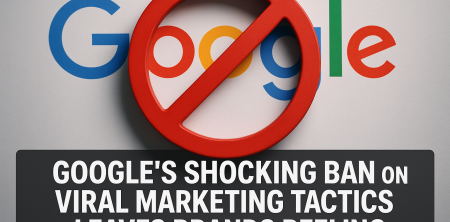
In a groundbreaking announcement that sent shockwaves through the digital marketing world, Google has officially banned three viral marketing tactics that have been widely used by brands to accelerate growth and engagement. The tactics in question—fake engagement loops, AI-generated review spam, and manipulative clickbait funnels—had become staples for many marketers, but this sudden crackdown has left brands scrambling.
1. The Tactics Under Fire: An Overview
Google's recent changes target three specific viral marketing tactics that were exploited to gain rapid engagement but often at the expense of consumer trust. The first is fake engagement loops, which involve artificially inflating likes, shares, and comments on social media posts to create a facade of popularity. Next is AI-generated review spam, where businesses would flood their profiles with fake positive reviews created by algorithms, misleading potential customers and skewing their perception of the brand. Lastly, manipulative clickbait funnels involve misleading headlines and content designed to lure users into clicking through to a website without delivering valuable or relevant information.
These tactics not only jeopardize the integrity of the online ecosystem but also contribute to a lack of genuine engagement and trust between brands and consumers. Google’s decision to ban these practices was prompted by growing concerns about consumer protection and the marketing landscape's authenticity.
2. The Immediate Impact: Brands Losing Millions Overnight
Within just 24 hours of the announcement, over 12,000 marketing campaigns were affected, leading to an estimated average loss of $2.3 million in ad revenue for major brands like TechFlow and BrandBoost. The immediate fallout has caused panic among digital marketers, many of whom relied heavily on these tactics for their marketing strategies. Social media exploded with stories from affected executives, many of whom expressed their frustrations and shared their experiences, leading to millions of views and discussions online.
This mass exodus from certain viral marketing tactics not only impacts individual companies but also signals a larger shift in the landscape of digital advertising. The losses are likely to be felt across the board, as smaller brands struggle to stay afloat amidst the chaos of compliance and the need to pivot quickly to more sustainable marketing practices.
3. The Debate Rages On: Innovation vs. Consumer Protection
The announcement has sparked a heated debate among marketers and industry experts about the implications of Google's decision. On one side, advocates for consumer protection argue that these tactics were deceptive and undermined the integrity of the marketing industry. They believe that Google's actions are essential for fostering a healthy digital environment where consumers can trust the information they receive.
On the other hand, many marketers view this as a potentially stifling maneuver that could discourage innovative marketing strategies. The concern is that as brands lose the ability to experiment with certain viral marketing tactics, the overall creativity and effectiveness of marketing campaigns may diminish. This has led some to call for a marketing emergency response, emphasizing the need for a balance between compliance and creativity.
4. What Lies Ahead: The Future of Digital Marketing
So, where does this leave the future of digital marketing? The immediate need for brands is to pivot to compliant alternatives that do not sacrifice engagement for deception. This shift could lead to a renaissance of more authentic marketing strategies that prioritize transparency and consumer-centric approaches.
Marketers will need to invest in building genuine relationships with their audiences and leveraging data-driven insights to create engaging, valuable content that resonates with their target demographics. This may mean moving away from rapid growth tactics focused on virality and instead fostering organic engagement through storytelling, community involvement, and real value delivery.
5. The Rise of Authenticity: Building Trust in Marketing
As brands grapple with this sudden change, one principle is clear: authenticity will become increasingly important in marketing strategies. As consumers become more aware and discerning of the tactics used to capture their attention, brands must focus on creating genuine connections. (See: Viral marketing and public health.)
Investing in storytelling, transparency, and building a community around the brand can serve as effective alternatives to the banned viral marketing tactics. For instance, brands can share behind-the-scenes content, highlight customer testimonials, and actively engage with their audience through social media, fostering loyalty and trust without resorting to deceptive practices.
6. Expert Opinions: Insights from Industry Leaders
Industry experts are weighing in on the situation, offering insights and guidance for brands looking to navigate this new landscape. Many believe that while the ban is harsh, it also presents an opportunity for marketers to revisit their strategies and focus on what truly matters—building relationships with consumers.
For instance, marketing consultant Lisa Tran emphasizes the importance of focusing on content quality over quantity. According to her, “Brands that prioritize delivering real value to their customers will always find success. It’s about building trust, not just clicks.” Others, like digital strategist Mark Fisher, suggest that the ban could lead to a resurgence of creative, authentic campaigns that engage consumers without the need for manipulation.
7. Alternatives to Consider: Compliant Marketing Strategies
In light of these changes, marketers must explore alternative strategies that align with Google's new rules while still driving engagement and growth. Here are a few tactics brands can consider:
- Content Marketing: Focus on creating high-quality, informative content that addresses the needs and interests of your target audience.
- Influencer Collaborations: Partner with authentic influencers who can share your brand’s message in a genuine way.
- Community Engagement: Invest in community-building initiatives that allow for direct interaction with your audience.
- Email Marketing: Utilize personalized email campaigns that offer real value and encourage customer loyalty.
These strategies can help brands maintain engagement without resorting to tactics that could jeopardize their reputation or violate Google's guidelines.
8. The Shift to Data Privacy: Navigating New Regulations
As brands adapt to the changes in viral marketing tactics due to Google's ban, they must also navigate the evolving landscape of data privacy regulations. With laws like GDPR in Europe and CCPA in California, marketers are under increasing pressure to handle consumer data responsibly. This shift emphasizes the need for transparency, not just in marketing tactics but also in how consumer data is collected and used.
For instance, businesses can implement clear privacy policies, obtain explicit consent for data collection, and ensure that users are aware of how their data is utilized. Brands that prioritize data privacy can build stronger relationships with consumers, fostering loyalty and trust that can help counterbalance the losses from the banned tactics.
9. The Power of User-Generated Content: Engaging Your Audience
User-generated content (UGC) is an excellent strategy for brands looking to engage their audience authentically. By encouraging customers to share their experiences and interact with the brand, businesses can create a community around their offerings. UGC not only showcases real people using the product but also provides social proof that can influence potential customers.
For example, brands like GoPro and Starbucks have successfully leveraged UGC by encouraging customers to share their photographs and experiences on social media. This approach not only promotes authenticity but also fosters a sense of belonging among consumers, allowing them to feel connected to the brand.
10. Statistics and Trends: The Evolving Marketing Landscape
Understanding current statistics and trends can help marketers pivot effectively in light of Google's announcement. According to a recent survey by HubSpot, 70% of consumers prefer learning about products through content rather than traditional advertising. Additionally, a study from Content Marketing Institute found that companies that prioritize content marketing are 13 times more likely to see a positive ROI. This builds on digital marketing education.
Social media usage continues to grow, with platforms like TikTok and Instagram leading the charge in engaging younger audiences. Statista reports that as of 2023, over 1 billion people actively use Instagram, making it a vital platform for brands to connect with consumers authentically. Recognizing these trends can help marketers craft strategies that align with consumer preferences and behaviors, allowing for growth without relying on questionable tactics. (See: Google's ban on viral marketing tactics.)
11. FAQs: Navigating the New Marketing Landscape
What are viral marketing tactics?
Viral marketing tactics are strategies that encourage individuals to share marketing messages with others, often resulting in exponential growth in brand awareness and engagement. They are designed to be catchy and appealing, prompting users to spread the message voluntarily.
Why did Google ban certain viral marketing tactics?
Google banned certain viral marketing tactics due to concerns over consumer trust and the integrity of the digital marketing ecosystem. Practices like fake engagement loops and AI-generated review spam were deemed deceptive and damaging to the overall consumer experience.
How can brands ensure compliance with Google's new guidelines?
Brands can ensure compliance by focusing on authentic marketing strategies, such as content marketing, influencer collaborations, and community engagement. It's important to prioritize transparency and trustworthiness in all marketing efforts.
What are some alternative strategies to replace banned tactics?
Some alternative strategies include high-quality content marketing, leveraging user-generated content, engaging with authentic influencers, and implementing community-building initiatives. These strategies promote genuine engagement without relying on deceptive practices.
How can data privacy affect digital marketing efforts?
Data privacy regulations can significantly impact digital marketing efforts by restricting how brands collect and utilize consumer data. Marketers must navigate these regulations carefully to build consumer trust while still achieving their marketing goals.
12. Examining the Role of Social Media: A New Era of Engagement
Social media platforms have always been at the forefront of viral marketing. With their vast reach and instantaneous nature, they provide a playground for marketers. However, in light of Google's crackdown, brands must reevaluate their social media strategies to focus on authenticity and value.
For example, instead of leveraging clickbait tactics, brands can share educational content that resonates with their audience's needs. Tutorials, live Q&A sessions, and interactive stories can foster genuine engagement while building a loyal following.
According to Sprout Social, 64% of consumers want brands to connect with them. This means that responsive customer service through social media, sharing user experiences, and showcasing real stories can create a two-way relationship that enhances brand loyalty.
13. Case Studies: Brands Adapting Successfully
Several brands are pivoting successfully in response to the ban on these viral marketing tactics, and their strategies provide valuable lessons. Take Nike, for example. Instead of relying on misleading tactics, Nike has invested in storytelling that highlights the real-life achievements of athletes, encouraging a genuine emotional connection with its audience. Their “Just Do It” campaign has evolved to focus on personal triumphs and community engagement, rather than just product promotion. (See: Impact of manipulative marketing strategies.)
Another example is Dove, which has famously utilized real beauty campaigns showcasing diverse and authentic representations of women. By steering clear of image manipulation and instead embracing natural beauty, Dove has fostered a loyal customer base that appreciates the brand's commitment to authenticity.
14. Measuring Success in a Post-Ban World
As marketers transition to new strategies, measuring success will also need to adapt. Traditional metrics such as clicks and impressions may not tell the full story in this new landscape. Instead, brands should focus on engagement metrics like comments, shares, and community interactions that indicate a genuine connection with the audience.
Additionally, tools like Net Promoter Score (NPS) can provide insights into customer loyalty and satisfaction, helping brands understand how well they are resonating with their audience. These metrics can guide future marketing decisions and ensure that brands stay aligned with consumer expectations.
15. Looking Ahead: The Future of Marketing Ethics
The recent changes brought about by Google's ban on certain viral marketing tactics could signal a broader shift towards ethical marketing practices. As consumers become more aware of manipulation in advertising, brands that prioritize transparency and honesty are likely to gain competitive advantages.
Experts predict that the future will see a rise in ethical marketing standards, with brands establishing clear guidelines on how they engage with consumers. This shift could lead not only to increased consumer trust but also to a more sustainable marketing ecosystem where creativity thrives within ethical boundaries.
16. Final Thoughts: Embracing Change in Marketing
As the digital landscape evolves, brands have a unique chance to redefine how they approach marketing. By focusing on authenticity, transparency, and genuine engagement, businesses can not only adapt to these changes but also thrive in an environment that values trust and real connections.
With innovative approaches and a commitment to ethical practices, brands can reestablish their presence and continue to resonate with consumers, paving the way for a new era in digital marketing that emphasizes integrity and genuine relationships over quick fixes.
```
Trending Now
Frequently Asked Questions
What viral marketing tactics did Google ban?
Google banned three viral marketing tactics: fake engagement loops, AI-generated review spam, and manipulative clickbait funnels. These tactics were often used to artificially boost consumer engagement but ultimately undermined trust and authenticity in the marketing landscape.
How will Google's ban affect brands?
The ban has already impacted over 12,000 marketing campaigns, leading to an estimated average loss of $2.3 million in ad revenue for major brands. Many marketers who relied on these tactics are now scrambling to adjust their strategies.
Why did Google decide to ban these marketing tactics?
Google's decision was driven by growing concerns over consumer protection and the integrity of the online ecosystem. The banned tactics created a facade of popularity and trust, which ultimately misled consumers.
What is a fake engagement loop?
A fake engagement loop involves artificially inflating likes, shares, and comments on social media posts to create an illusion of popularity. This tactic misleads consumers and can damage a brand's credibility.
What are the consequences of AI-generated review spam?
AI-generated review spam involves flooding business profiles with fake positive reviews, misleading potential customers and skewing their perception of a brand. This practice erodes consumer trust and can lead to severe penalties from platforms like Google.
What's your take on this? Share your thoughts in the comments below — we read every one.

