```html
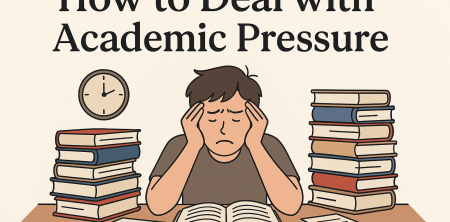
Academic pressure is a reality that many students face, regardless of their age or educational level. It can stem from various sources: the expectations of parents, the demands of teachers, or even self-imposed standards. Understanding how to manage this pressure is critical, not just for academic success but for overall well-being. This article will explore ten effective academic pressure coping strategies designed to help students navigate their academic journeys with greater ease and resilience.
1. Understanding the Roots of Academic Pressure
Before diving into coping strategies, it's crucial to grasp where academic pressure originates. Often, it arises from several factors: societal expectations, competition among peers, and the fear of failure. For instance, a survey by the American Psychological Association indicated that 45% of students reported feeling overwhelmed by their academic responsibilities. By recognizing these pressures, students can better equip themselves to handle them.
The rise of social media has exacerbated these feelings. Students often compare themselves to their peers, leading to increased anxiety about performance and achievement. Awareness of these dynamics can be the first step towards developing effective coping mechanisms. time management strategies offers useful background here.
2. Time Management Techniques
One of the most effective strategies for coping with academic pressure is mastering time management. Poor time management can lead to cramming, missed deadlines, and heightened stress. Adopting techniques such as the Pomodoro Technique—where you work for 25 minutes and then take a 5-minute break—can significantly enhance productivity without overwhelming the mind.
Additionally, creating a well-structured study schedule can help students allocate time for both academic and personal activities. Utilizing digital tools like Google Calendar or productivity apps can make this process seamless. By having a clear plan in place, students are less likely to feel the weight of impending deadlines.
Statistics show that students who engage in time management strategies report a 20% decrease in stress levels, leading to improved academic performance. With so much at stake, mastering time management is key.
3. Setting Realistic Goals
Setting achievable and realistic goals is another powerful academic pressure coping strategy. When students aim too high, they often set themselves up for disappointment. Instead, breaking down larger tasks into smaller, manageable objectives can provide a sense of accomplishment and motivation.
For example, instead of aiming to finish an entire semester's worth of material in one week, students can set daily goals to cover specific topics. This incremental approach not only reduces stress but also fosters a more effective learning environment, allowing students to absorb and retain information better.
Research suggests that students who set SMART goals—Specific, Measurable, Achievable, Relevant, and Time-bound—are 30% more likely to achieve their desired outcomes. This structured approach can clarify what success looks like and how to reach it step by step.
4. Developing a Support System
No one should face academic pressure alone. Building a support system of friends, family, and mentors can help students process their experiences and share coping strategies. This network can provide both emotional support and practical advice, which can be invaluable during tough times.
Engaging in study groups or peer support programs at school can also help. Discussing challenges and sharing solutions in a collaborative environment can alleviate feelings of isolation and promote a sense of community. Remember, it's okay to ask for help when the pressure feels overwhelming.
Additionally, according to a study by the American College Health Association, 67% of students who seek peer support report lower levels of anxiety and depression. This statistic underscores the importance of fostering relationships that can help mitigate academic stress.
5. Prioritizing Mental Health
Students often overlook their mental health while grappling with academic demands. However, prioritizing mental well-being is crucial for effective coping. Regular exercise, a balanced diet, and sufficient sleep can significantly impact students' ability to handle stress. According to the National Sleep Foundation, sleep deprivation can hinder cognitive function, making academic tasks even more challenging.
Furthermore, mindfulness practices such as meditation or yoga can be beneficial. These techniques encourage relaxation and focus, helping students regain control over their stress. By incorporating mental health care into their daily routines, students can foster resilience against academic challenges. (See: CDC resources on youth mental health.)
A survey conducted by the University of Michigan found that students who engage in regular physical activity experience a 25% increase in their academic performance. This connection highlights the importance of maintaining physical health to support mental well-being.
6. Learning to Say No
One of the most empowering academic pressure coping strategies is learning to say no. Students often feel pressured to take on extracurricular activities, volunteer work, or social commitments, leading to burnout. Prioritizing academic responsibilities while also recognizing one's limits is essential.
Establishing boundaries allows students to focus on what truly matters. It’s important to evaluate commitments and to only engage in activities that align with personal and academic goals. Doing so not only protects mental well-being but also enhances the quality of engagement in chosen activities.
Research indicates that students who practice assertive communication and set boundaries report a 40% reduction in stress levels. Saying no can actually create room for opportunities that are more aligned with one’s personal values and goals.
7. Utilizing Campus Resources
Many educational institutions offer resources to help students cope with academic pressure. From counseling services to academic advising, students can benefit from the expertise available on campus. Most universities provide workshops on stress management, study skills, and time management that can empower students.
Additionally, reaching out to professors can also provide insights into managing coursework. They can offer guidance on prioritizing assignments and even share coping strategies that have proven effective for other students. Leveraging these resources can significantly alleviate academic pressure.
Libraries and learning centers often provide access to online databases and tutoring services that can further support students academically. Utilizing these resources not only helps with immediate academic needs but can also enhance long-term learning and development.
8. Practicing Self-Compassion
In the face of academic pressure, self-compassion is often overlooked. Students can be their harshest critics, which negatively impacts their mental health. Practicing self-compassion involves treating oneself with kindness during difficult moments, recognizing that everyone faces challenges, and understanding that imperfection is part of the learning process.
Engaging in positive self-talk and reframing negative thoughts can cultivate a healthier mindset. For instance, instead of thinking, "I must excel in everything," students can shift their perspective to, "I’m doing my best, and that’s enough." This shift can significantly reduce stress and academic anxiety.
Studies indicate that students who practice self-compassion show a 50% reduction in anxiety levels compared to those who do not. This powerful approach not only enhances mental health but also fosters a more positive academic experience.
9. Finding Balance Beyond Academics
While academic success is important, finding balance with other areas of life is crucial. Engaging in hobbies, spending time with friends, or participating in community service can provide a necessary outlet. These activities can serve as a reminder that life encompasses more than just grades and exams.
Moreover, maintaining a well-rounded lifestyle can enhance academic performance. Research indicates that students who pursue interests outside of academics tend to experience lower stress levels and greater overall satisfaction. Striving for balance is essential for long-term success and happiness.
For instance, students involved in extracurricular activities report having higher self-esteem and better time management skills. Engaging in these activities can provide a sense of achievement that complements academic success.
10. Seeking Professional Help When Needed
Lastly, if academic pressure becomes overwhelming and unmanageable, seeking professional help can be a vital step. Therapists and counselors can provide tools and strategies tailored to individual needs, helping students navigate their unique challenges.
Many institutions have mental health services that are free or low-cost for students. These resources can help manage stress, depression, and anxiety, equipping students with coping strategies that extend beyond the academic environment. Prioritizing mental health is as important as academic achievement, and seeking help is a sign of strength.
Research shows that students who utilize mental health services tend to perform better academically and experience increased overall well-being. It’s important to view seeking help not as a weakness but as a proactive step towards maintaining both academic and personal health. (See: New York Times on student mental health.)
11. Understanding Academic Pressure and Its Effects
Academic pressure can lead to a range of emotional and physical responses. Anxiety, depression, and panic attacks are common among students facing high levels of stress. In extreme cases, academic pressure can result in burnout, characterized by fatigue, cynicism, and reduced academic efficacy.
A study from the World Health Organization found that students experiencing chronic academic stress face a significantly higher risk of developing mental health disorders. Recognizing the signs of distress early can help in implementing coping strategies before the situation worsens.
12. Creating a Positive Study Environment
Your study environment can significantly influence your academic performance. A cluttered or noisy space can add to feelings of anxiety and distraction. Creating a calm, organized, and well-lit study area can help promote focus and productivity.
Consider personalizing your space with motivating quotes, plants, or comfortable seating. Research shows that students who study in a pleasant environment are more likely to engage positively with their coursework, leading to better retention and understanding.
13. Time for Reflection
Taking time to reflect on your academic journey can be enlightening. Regularly reviewing what strategies have worked and what hasn’t can help you adapt your approach. Consider keeping a journal where you log your thoughts, stressors, and coping techniques. This practice can reveal patterns that you might not have noticed otherwise.
According to psychologists, reflective practices can improve self-awareness, making it easier for students to identify effective coping strategies and areas for improvement.
14. Developing Resilience
Resilience is the ability to bounce back from setbacks and adapt to challenges. Developing this trait is crucial for navigating academic pressure. Engaging in activities that foster resilience, such as problem-solving exercises or resilience training programs, can equip students with the skills needed to handle stress effectively.
Studies suggest that resilient students are 60% more likely to succeed academically compared to their less resilient peers. Building resilience not only helps in academic settings but also prepares students for future challenges in life. There's a fuller look at digital tools for students' passions.
15. Frequently Asked Questions (FAQ)
What are some common signs of academic pressure?
Common signs include anxiety, lack of motivation, difficulty concentrating, changes in sleep patterns, and physical symptoms like headaches or stomachaches. If you notice these signs, it may be time to assess your academic load and coping strategies.
How can I talk to my parents about academic pressure?
Start by setting a time to discuss how you feel. Be honest about your experiences and the pressures you face. Frame the conversation around how they can support you best, whether it's through understanding your need for downtime or helping you set realistic expectations.
What should I do if I feel overwhelmed by academic responsibilities?
If you're feeling overwhelmed, take a step back and assess your commitments. It might be helpful to prioritize tasks, seek help from a teacher or counselor, and take breaks for self-care. Remember, it’s okay to ask for help.
Are there any apps that can help with time management?
Yes, several apps can improve time management skills, such as Todoist, Trello, and RescueTime. These tools can help you plan tasks, set reminders, and track your productivity.
How can I ensure that I am practicing self-care effectively?
Effective self-care involves recognizing your needs and taking steps to meet them. This can include regular exercise, a balanced diet, maintaining a social life, and setting aside time for hobbies. Regularly evaluate your self-care routine to ensure it remains effective and fulfilling.
16. Additional Coping Strategies for Academic Pressure
While the previously mentioned strategies are highly effective, there are several additional approaches that can further help students manage academic pressure. Each of these strategies is designed to create a well-rounded approach to dealing with stress.
16.1. Engaging in Stress-Relief Activities
Participating in activities that promote relaxation and fun can be a crucial part of managing academic pressure. Activities such as painting, playing a musical instrument, or spending time in nature can provide an essential break from academic responsibilities. Research conducted by the University of Essex showed that participants who engaged in nature walks reported a significant decrease in stress levels and improved mood.
16.2. Practicing Gratitude
Practicing gratitude can also be a powerful coping strategy. Keeping a gratitude journal where you note down things you’re thankful for can shift your focus from stressors to the positive aspects of your life. Studies indicate that people who regularly practice gratitude experience lower levels of stress and anxiety. This simple act can help cultivate a more optimistic outlook during challenging academic times.
16.3. Joining a Club or Group
Joining clubs or groups that align with your interests can be an excellent way to alleviate academic pressure. Whether it’s a book club, a sports team, or a volunteer group, engaging with others in a fun and relaxed setting can provide a much-needed escape from study-related stress. Social connections can create a support system, making you feel less isolated during high-pressure situations.
16.4. Learning Relaxation Techniques
Learning relaxation techniques such as deep breathing, progressive muscle relaxation, or visualization can be incredibly effective in managing academic stress. Taking a few moments to practice these techniques before exams or during study sessions can calm the mind and body. Studies have shown that students who practice relaxation techniques experience lower levels of anxiety and perform better academically.
17. Statistics on Academic Pressure
To truly understand the impact of academic pressure, let’s look at some revealing statistics:
- A report by the National Institute of Mental Health indicates that approximately 31.9% of adolescents experience anxiety disorders, many of which are exacerbated by academic pressure.
- According to a survey from the American College Health Association, 30% of students reported that stress negatively impacted their academic performance.
- Data from the Pew Research Center suggests that around 70% of high school students feel pressure to get into a good college, contributing to stress and anxiety.
These statistics highlight the need for effective coping strategies and supportive measures to help students navigate the academic landscape.
18. Expert Perspectives on Academic Pressure
Experts in psychology and education emphasize the importance of addressing academic pressure head-on. Dr. Linda O’Leary, a clinical psychologist specializing in adolescent mental health, states, "It’s crucial for students to recognize that feeling pressure is normal, but how they respond makes all the difference. Developing healthy coping strategies can change their academic experience." Similarly, Dr. Mark Thompson, an educational consultant, suggests that schools should integrate stress management training into their curricula, as it can lead to better academic outcomes and overall well-being.
19. The Role of Parents and Educators
Parents and educators play a vital role in helping students cope with academic pressure. Open communication about academic expectations and the importance of mental health can create a more supportive environment. Encouraging students to express their feelings and concerns can help them feel heard and understood, reducing the burden of academic pressure.
Furthermore, educators can implement practices that promote a growth mindset rather than a focus solely on grades. This shift can foster resilience among students, helping them to see mistakes as opportunities for learning and growth instead of failures.
In summary, academic pressure is a common experience for many students, but it doesn't have to be debilitating. By implementing these ten academic pressure coping strategies along with additional techniques for resilience and self-care, students can foster resilience and create a more balanced approach to their education. Whether through time management, support systems, or prioritizing mental health, there are numerous ways to effectively manage academic stress. Remember, it's about progress, not perfection.
```
Trending Now
Frequently Asked Questions
What causes academic pressure in students?
Academic pressure in students can arise from various sources, including parental expectations, teacher demands, and self-imposed standards. Societal expectations, peer competition, and the fear of failure also contribute to this pressure, leading to feelings of overwhelm and anxiety.
How can students manage academic pressure?
Students can manage academic pressure by adopting effective coping strategies such as mastering time management, creating structured study schedules, and utilizing digital tools like productivity apps. Recognizing the roots of their pressure can also empower them to handle it better.
What are some time management techniques for students?
Effective time management techniques for students include the Pomodoro Technique, which involves working for 25 minutes followed by a 5-minute break, and creating a study schedule that balances academic and personal activities. Digital tools like Google Calendar can enhance this process.
How does social media impact academic pressure?
Social media can exacerbate academic pressure by prompting students to compare their performance and achievements with those of their peers. This comparison can lead to increased anxiety and feelings of inadequacy regarding their academic responsibilities.
What are the effects of academic pressure on students?
The effects of academic pressure on students can include heightened stress, anxiety, and feelings of overwhelm. It may also impact their overall well-being and academic performance, making it crucial for students to develop coping strategies to navigate these challenges.
Agree or disagree? Drop a comment and tell us what you think.

