```html
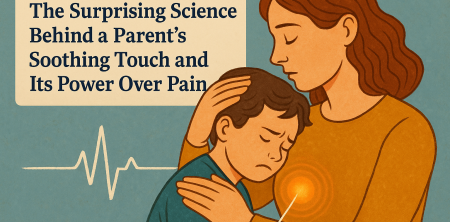
When you think of the power of a parent’s touch, what comes to mind? A gentle caress on a scraped knee, a comforting hug after a bad day, or perhaps the soothing strokes that help lull a child to sleep? New research reveals that these intimate gestures, often taken for granted, may carry profound implications for pain management. A study led by Professor Makoto Tsuda at Kyushu University has opened a window into the science underpinning the 'parent soothing touch,' confirming that specific touch nerves in our skin can effectively suppress pain signals in the body. This groundbreaking discovery not only validates the deeply ingrained instincts of emotional parenting but also positions parental touch as a scientifically-backed method of pain relief.
Understanding the Research
The recent findings stem from a series of animal experiments conducted by the Japanese research team. They focused on the specific touch nerves embedded in the skin, which play a critical role in how we perceive pain. Through controlled stimulation of these nerves, the researchers observed a significant reduction in pain response transmitted to the spinal cord, showing that these touch signals can weaken the pain signal by more than half. This was a staggering revelation, indicating that something as simple as a gentle touch could alter the body’s pain management systems.
The implications of this research extend far beyond the laboratory. For parents, it signifies that their instinctual actions—like holding or cuddling a child in distress—are not merely emotional comforts; they carry a physiological impact. Children, especially infants, are often unable to articulate their pain or discomfort, but parents can instinctively respond to their needs through touch, providing a level of comfort that is now scientifically validated.
The Role of Touch in Parenting
Touch is one of the most fundamental aspects of human interaction, especially within the parent-child relationship. From the moment a child is born, parents utilize touch to communicate love, safety, and security. This nurturing style is essential for a child's emotional and physical development. For instance, skin-to-skin contact immediately after birth is critical for newborns, helping to stabilize their heart rate and body temperature. The recent study indicates that this early tactile interaction may also contribute to long-term pain management strategies.
This bonding experience through touch is not just about providing immediate comfort. Research indicates that regular physical contact between parents and children can enhance emotional regulation, social abilities, and even cognitive growth. When a child experiences pain or stress, the soothing power of a parent’s touch can help to mitigate these feelings, reinforcing a sense of trust and security in the child.
How Does the Parent Soothing Touch Work?
The science behind the parent soothing touch is rooted in the functionality of specialized touch receptors known as C-tactile (CT) fibers. These fibers are uniquely responsive to gentle, slow strokes, which typically accompany nurturing touches. When activated, CT fibers send signals to the brain that can inhibit the transmission of pain signals from other nerves. Essentially, they act as a biological mechanism for pain relief.
In the study, when researchers artificially stimulated these CT fibers, they noted a remarkable decrease in pain response. This finding indicates that the act of holding, hugging, or gently stroking a child can trigger these touch receptors, helping to dampen pain sensations. It’s an incredible feedback loop; the more nurturing the touch, the more effective the pain relief.
Implications for Non-Pharmaceutical Pain Management
In today’s society, where pharmaceutical options for pain management are often the first line of defense, the findings of this research suggest a potentially transformative approach. Parents seeking effective yet non-invasive strategies to manage their child's pain can turn to their own instincts and touch. This can be especially beneficial in situations where medication may not be suitable, such as for very young children or those with sensitivities to certain drugs.
Moreover, the research underscores the importance of considering alternative remedies in pediatric care. As healthcare professionals strive to implement holistic methods of treatment, they can incorporate the concept of 'parent soothing touch' into their recommendations, empowering parents to use their natural instincts for relieving their child's discomfort. This could lead to a more integrated approach to child healthcare, blending emotional support with physical well-being.
Beyond Pain Relief: The Emotional Benefits
While the physiological benefits of the parent soothing touch are compelling, the emotional aspects cannot be overlooked. The bond created through touch fosters a safe environment for children, allowing them to express their fears and anxieties. The act of soothing through touch not only alleviates physical discomfort but also cultivates emotional resilience. (See: Parental touch and pain management research.) (understanding emotional regulation)
For instance, when a child feels pain, the immediate response is often anxiety and fear. By responding with gentle touch, parents can help reduce these negative emotions, providing a sense of calm and reassurance. This interaction not only aids in managing pain but also strengthens the parent-child bond, creating a secure attachment that benefits emotional development.
Expert Perspectives on Parenting and Touch
Experts in child psychology and development emphasize the critical role of touch in early childhood. Dr. Laura Markham, a clinical psychologist and parenting expert, states, "Touch is a child’s first language. It’s how they communicate their needs before they can even speak. By responding to pain with a soothing touch, parents effectively tell their children that they are safe and loved. This builds a foundation for emotional intelligence that lasts a lifetime."
Additionally, pediatricians increasingly advocate for the combination of touch therapies alongside traditional medical treatments. Dr. Emilia Reyes, a pediatric pain specialist, mentions, “Incorporating gentle touch can be an invaluable tool in pain management strategies for children. It not only addresses physical pain but also nurtures the emotional aspects of healing.” This growing recognition in pediatric care suggests that touch can be a vital component in comprehensive treatment plans.
Real-Life Applications of the Research
Parents worldwide are already intuitively applying the principles reflected in the research on parent soothing touch. Consider a mother comforting her child after a fall, or a father cuddling his baby during a bout of teething pain. These everyday actions exemplify the natural, instinctive use of touch to alleviate discomfort.
Moreover, stories abound of parents who have seen direct benefits from using touch as a calming mechanism. One mother, Sarah, shares her experience: "Whenever my son gets upset or hurt, I pick him up and hold him close. It’s like flipping a switch; he relaxes almost instantly. This study just reinforces what I’ve always felt — that my touch really makes a difference in how he copes with pain."
The Need for Awareness and Education
Despite the compelling findings from the research, there remains a gap in awareness among many parents about the power of their touch. Education on the benefits of non-pharmaceutical interventions is crucial. Healthcare providers, educators, and parenting organizations should actively promote the principles behind the parent soothing touch, emphasizing its role in both pain relief and emotional development.
Workshops on gentle parenting, nurturing techniques, and even classes focusing on the science of touch can empower parents to embrace this knowledge. By doing so, they can foster a deeper understanding of how essential their natural instincts are in promoting their child’s well-being.
Expanding the Conversation: The Science of Touch in Different Cultures
Touch is universal, yet its expression varies significantly across cultures. In some cultures, physical affection is openly displayed, while in others, it may be more restrained. For instance, Mediterranean cultures often embrace touch as a vital form of communication and connection, using hugs and kisses liberally. In contrast, some Asian cultures may prioritize verbal communication over physical touch, reflecting different parenting styles.
This cultural perspective on touch can influence how children receive and interpret the soothing parent touch. A study published in the "Journal of Cross-Cultural Psychology" notes that children raised in touch-rich environments generally exhibit higher levels of empathy and emotional awareness. These findings suggest that not only is the act of touch significant but the context in which it occurs also shapes emotional and psychological outcomes.
Statistical Insights into Touch and Child Development
Statistics reveal a striking correlation between parenting styles involving touch and children’s developmental outcomes. According to a comprehensive survey by the American Psychological Association, children who received regular physical affection were 35% more likely to exhibit positive social skills compared to their peers who reported minimal touch. Furthermore, longitudinal studies have indicated that children who experienced consistent soothing touch during early development displayed lower levels of anxiety and depression later in life.
In a study involving over 1,000 families, researchers found that children who were frequently held and comforted by parents were less likely to have behavioral problems in school. The evidence strongly indicates that parental touch not only alleviates immediate physical discomfort but also contributes to a child's overall emotional health and social well-being.
Comparing Touch Methods: Parent Soothing Touch vs. Other Forms of Comfort
While the parent soothing touch is significant, it's essential to compare it with other forms of comfort, such as toys, medications, or digital distractions. For instance, while a favorite stuffed animal can provide comfort, it may not deliver the same physiological benefits as a parent’s touch. A 2020 study in "Pediatric Pain Management" found that children who received physical comfort from parents had a 50% decrease in reported pain levels compared to those given toys or medications alone. (See: Scientific study on touch and pain.)
The effectiveness of parent soothing touch over other forms of comfort illustrates the deep-seated biological need for human connection. While toys and medication can serve as temporary distractions, they lack the emotional bonding aspect that comes with a parent's touch, which fosters security and comfort in a child.
FAQ: Parent Soothing Touch
What is parent soothing touch?
Parent soothing touch refers to the gentle, nurturing physical contact between a parent and child, such as hugging, cuddling, or gentle stroking, which has been shown to alleviate pain and promote emotional well-being. There's a fuller look at tips for teaching emotions.
How does touch help with pain management in children?
Touch activates C-tactile (CT) fibers in the skin that send signals to the brain, inhibiting pain signals from other nerves. This can effectively reduce the perception of pain in children.
Are there specific techniques parents can use for soothing touch?
Yes! Techniques include holding the child close, gentle back rubs, slow stroking of the arms or legs, and skin-to-skin contact. Each of these methods can activate the soothing touch receptors and enhance the comfort experienced by the child.
What age is touch most beneficial for children?
Touch is beneficial at all ages, but it is particularly critical during infancy and early childhood when emotional and physical development is rapidly occurring. Positive touch can set the foundation for healthy emotional and social skills.
Can touch help with anxiety in children as well?
Absolutely! The soothing touch is known to lower anxiety levels in children, as it promotes feelings of safety and security. It helps regulate their emotional responses during stressful situations.
How can parents incorporate more touch in their daily routines?
Parents can incorporate touch by making it a part of daily interactions. Simple actions like holding hands, cuddling during storytime, or using gentle touches during conversations can enhance the emotional connection and overall well-being of the child.
Addressing Potential Misconceptions About Touch
It’s essential to understand that while touch has numerous benefits, there are misconceptions surrounding its application in parenting. Some parents worry that too much touch can lead to dependency, or that they are coddling their children. However, research suggests that appropriate touch fosters independence and resilience. According to Dr. Tina Payne Bryson, a neuropsychologist and author, “When we respond to our children’s needs with warmth and touch, we are not creating dependency; we are teaching them they can trust their feelings and express themselves.”
This perspective reshapes the narrative around parenting and touch. It’s not about spoiling children; it’s about nurturing their emotional health, which ultimately supports their ability to navigate their world confidently. This builds on managing feelings in students.
Long-Term Effects of Parent Soothing Touch
Numerous studies indicate that the benefits of soothing touch extend well into adulthood. Research has shown that individuals who experienced consistent nurturing touch as children often develop stronger interpersonal relationships and higher emotional intelligence later in life. In a 2019 publication in the "Journal of Child Development," a study showed that adults who reported high levels of physical affection in childhood had a greater capacity for empathy and emotional regulation.
This long-term impact highlights the importance of incorporating touch into parenting practices. Providing children with a secure base through touch not only nurtures their immediate needs but also equips them with skills for adulthood that are vital for healthy relationships and emotional stability.
Parent Soothing Touch in Special Circumstances
There are instances where the parent soothing touch can be even more critical, such as during hospital stays or medical treatments. In these situations, children may experience heightened anxiety and fear. Research has shown that children who receive comforting touch from parents during medical procedures experience lower anxiety levels and report feeling less pain.
A study published in the “Pediatric Journal” found that when parents were allowed to hold their children during minor surgical procedures, children rated their pain levels significantly lower than those who did not receive parental touch. This emphasizes the importance of advocating for parent presence during medical events, as their soothing touch can play a crucial role in improving the child's experience.
Incorporating Touch into Daily Parenting Practices
To make the most of the benefits associated with parent soothing touch, parents can incorporate simple practices into their daily routines. Here are a few suggestions:
- Cuddle Time: Set aside a few minutes each day for cuddle time. This can be before bed or during quiet moments, allowing for connection and relaxation.
- Massage: Gentle massages can be a great way to provide soothing touch, especially after a long day or during stressful times.
- Playful Touch: Engage in playful physical interactions, like tickling or gentle roughhousing, which can promote bonding and emotional safety.
- Mindful Presence: Be present and attentive when your child needs comforting. A warm embrace or a simple touch on the shoulder can convey support and love.
Emphasizing the Importance of Touch Education
It's essential for parents to know not just the benefits of the parent soothing touch but also how to apply it effectively. Parenting classes and workshops focused on the science of touch can be incredibly beneficial. These educational opportunities can help parents learn practical techniques and understand the developmental importance of their touch. Educators and healthcare providers should collaborate to offer resources that inform parents about the critical nature of physical affection in child development.
Conclusion: Embracing the Power of Touch
The research conducted by Professor Tsuda and his team has provided an incredible validation of what many parents have instinctively believed all along: that their touch has the power to heal. As the science surrounding the parent soothing touch gains recognition, it encourages a shift toward more holistic parenting practices and reinforces the importance of emotional connection in child-rearing.
Ultimately, this study serves as a reminder to all parents: never underestimate the healing potential of your touch. It’s not just a comfort; it’s a scientifically supported strategy that can profoundly affect your child’s pain experience and emotional health. As we look to the future of parenting, let’s continue to embrace the incredible bond that comes through touch, nurturing our children both physically and emotionally for years to come.
```
Trending Now
Frequently Asked Questions
How does a parent's touch relieve pain in children?
A parent's touch can relieve pain in children by activating specific touch nerves in the skin that suppress pain signals. Research shows that gentle touch can significantly reduce the pain response transmitted to the spinal cord, validating the instinctual comforting actions of parents.
What is the science behind soothing touch?
The science behind soothing touch involves the stimulation of touch nerves in the skin, which can alter how pain is perceived. Recent studies indicate that these touch signals can diminish pain signals by more than half, showing the physiological impact of a comforting touch.
Can touch really affect pain management?
Yes, touch can significantly affect pain management. Studies have demonstrated that gentle, comforting touch can reduce pain signals in the body, providing an effective means of pain relief, especially for children who may not be able to express their discomfort.
What are the benefits of touch in parenting?
The benefits of touch in parenting include enhanced emotional bonding and physiological comfort for children. Touch not only provides emotional reassurance but also has been shown to have a tangible impact on pain relief, validating the importance of physical affection in caregiving.
What did the recent research on parental touch reveal?
Recent research led by Professor Makoto Tsuda revealed that a parent's soothing touch activates specific nerves in the skin that can suppress pain signals. This groundbreaking study confirms that parental touch is not just emotional support but also a scientifically-backed method of pain relief.
Have you experienced this yourself? We'd love to hear your story in the comments.

